
Why Heat Unlocks Flavour
Spices owe their distinct character to volatile aromatic compounds locked within their cellular structure. When you buy pre-ground spices, many of these oils have already started to fade. Gently heating spices, either in a dry pan or in hot oil, works
like a key in a lock. The heat breaks down cell walls, releasing these fragrant essential oils. This process, known as toasting or blooming, doesn't just make your kitchen smell amazing; it creates deeper, nuttier, and more complex flavours that raw spices can't achieve on their own. Without this step, you’re only getting a fraction of the spice’s potential, which can leave a dish tasting underwhelming. It’s the difference between a curry that’s merely present and one that’s profound.
Dry Toasting vs. Blooming in Oil
There are two primary methods for waking up your spices, and choosing the right one depends on the spice and the recipe. Dry toasting involves heating whole spices in a skillet without any fat. This method is ideal for whole seeds like cumin, coriander, and fennel, especially if you plan to grind them for a spice rub. The dry heat gives them a nutty, roasted quality. Blooming, on the other hand, is the technique of briefly frying spices in hot fat like oil or ghee. This is often done at the beginning of a recipe and is particularly effective for ground spices, which can burn easily in a dry pan. The fat acts as a perfect vehicle, extracting the fat-soluble flavour compounds and distributing them evenly throughout the entire dish.
The Art of the Dry Toast
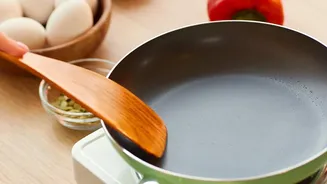
Toasting whole spices is a simple process that requires your full attention. Start with a heavy-bottomed, dry skillet over medium-low heat. Add the spices in a single layer, ensuring they aren’t overcrowded. Keep the pan moving, either by shaking it or stirring constantly. Within a minute or two, you’ll notice a significant change. Your primary cue is your nose: the spices will become intensely fragrant, shifting from a raw scent to a warm, nutty aroma. You may also see a slight darkening in colour. The moment you smell this peak fragrance and before any smoke appears, remove the pan from the heat. Immediately transfer the spices to a cool plate to stop the cooking process, as the residual heat in the pan can quickly burn them.
How to Perfectly Bloom Spices
Blooming ground spices is the secret to many flavourful Indian, Mexican, and Middle Eastern dishes. Start by heating your cooking fat (oil, ghee, or butter) in a pan over medium to medium-low heat until it shimmers but doesn't smoke. Add your ground spices and stir constantly. This process is incredibly fast—ground spices can toast and then burn in under a minute. You are looking for that same aromatic cue: a rich, toasted fragrance. As soon as you smell it, you must be ready with your next ingredient, whether it's chopped onions, garlic, or a liquid like coconut milk or tomatoes. Adding these will immediately lower the temperature and stop the spices from scorching.
The Unmistakable Smell of Burnt
There is a distinct and unpleasant difference between toasted and burnt. Perfectly toasted spices smell warm, nutty, and complex. Burnt spices, however, smell acrid, sharp, and bitter. If you see or smell smoke, you are teetering on the edge of burning them. Once spices burn, their flavour turns harsh, and there is no way to salvage them; they will impart a bitter taste to your entire dish. It’s a common mistake to use heat that's too high or to walk away from the pan for even a few seconds. If you suspect you've burned them, it's always better to discard them and start over. Your taste buds will thank you.