





The Global Green Gold Rush
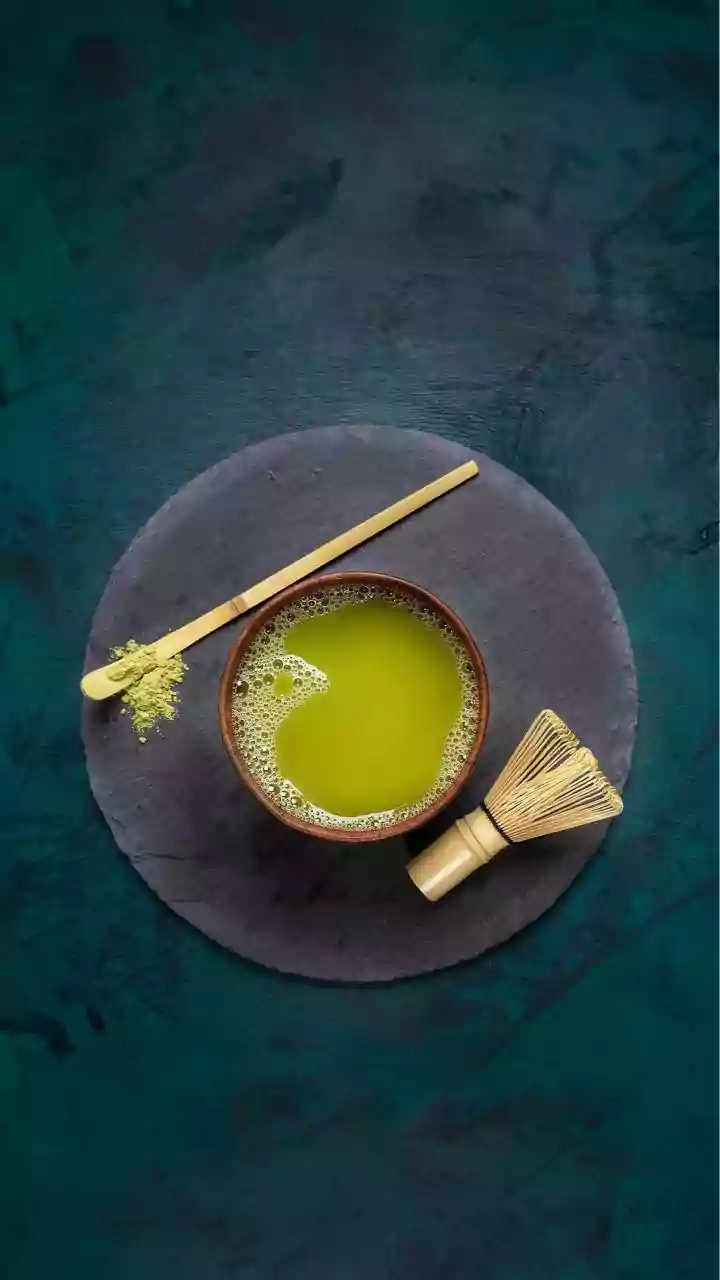
Matcha's journey from a ceremonial Japanese beverage to a global wellness superstar has been swift and decisive. Fueled by social media trends and its reputation as a health-boosting superfood, demand for the powdered green tea has exploded. Japan's green tea exports,
of which matcha is the primary driver, have tripled in the last decade, with the United States and Europe leading the charge. This surge has been a lifeline for some in Japan's tea industry, which has been grappling with an aging workforce and declining domestic consumption. However, the sheer scale of this 'matcha mania' is pushing supply chains to their limits and creating unprecedented shortages for some producers.
A Tale of Two Teas
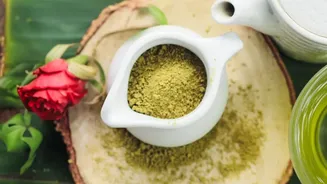
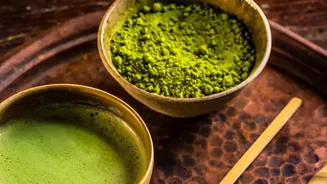
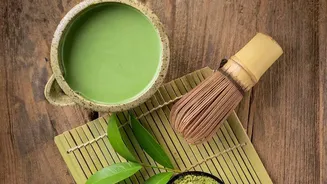
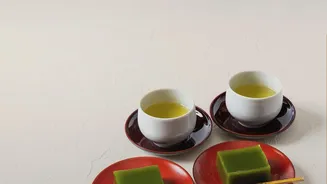
To understand the current squeeze, you have to know that not all green teas are created equal. The key difference lies in the cultivation. Matcha is made from 'tencha' leaves, which are grown in the shade for several weeks before harvest. This process boosts chlorophyll and theanine levels, giving matcha its characteristic vibrant colour and umami-rich flavour. In contrast, sencha, Japan's most popular everyday tea, is grown in direct sunlight. While tencha cultivation is more labour-intensive and costly, the booming international market means it now commands prices nearly five times higher than sencha.
The Farmer's Dilemma
For Japan's tea farmers, the economic logic is becoming impossible to ignore. Faced with a shrinking domestic market for traditional teas and the lure of high export prices for matcha, many are making a pivotal choice: converting their fields from sencha to tencha production. The Japanese government is even providing subsidies to support this shift, viewing matcha as a key agricultural export. However, this conversion is a significant undertaking, requiring investment in new equipment and shade structures. It's a high-stakes gamble that the matcha boom will last, and it's a decision that is often irreversible without another substantial investment to switch back.
The Squeeze on Sencha
The direct consequence of this agricultural shift is a growing scarcity of sencha. As more farmland is dedicated to the shade-grown tencha, the land available for sun-grown sencha shrinks. In recent years, the production ratio has been steadily tipping. One producer in Fukuoka noted their farm went from 70% sencha and 30% matcha to the reverse. This has led to what analysts are calling a 'sencha shortage'. Prices for sencha leaves at auction have soared, with some seeing increases of over 60%. This isn't just an abstract market fluctuation; it's hitting consumers directly. Major beverage companies like Ito En have already raised the prices of their iconic bottled green teas, citing the falling supply of sencha as a primary reason.
A Culture Under Pressure
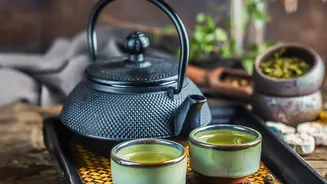
The issue extends beyond economics. Sencha is not just a product; it's the cornerstone of daily tea culture in Japan. While matcha is often associated with formal ceremonies or as a trendy ingredient, sencha is the tea that people drink at home, in offices, and at restaurants. It's the familiar taste of daily life. There is a real concern among cultural observers and tea professionals in Japan that as more of the nation's agricultural resources pivot to serve a global trend, this essential part of their domestic heritage could become a luxury. The worry is that sencha, the people's tea, might become less accessible to the very people who made tea a cherished part of Japanese culture.