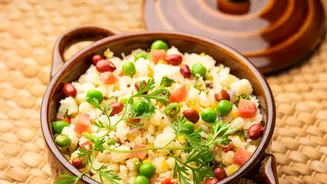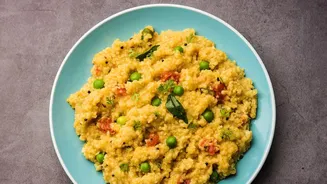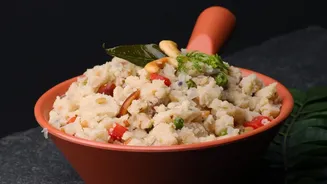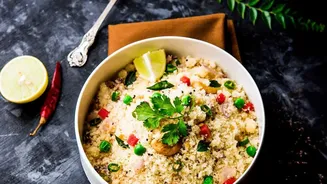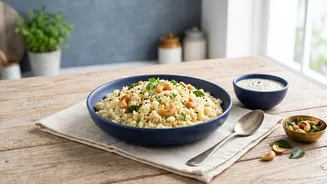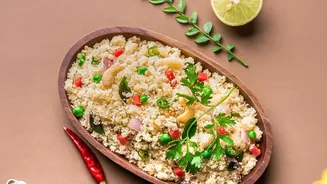




The Anatomy of Perfect Upma
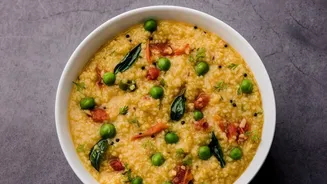
Upma, a beloved breakfast dish across India, seems simple on the surface. It's a savory porridge traditionally made from roasted semolina (rava or sooji), tempered with spices and sometimes dotted with vegetables. But its texture is everything. The perfect
upma is light and almost melts in your mouth, not a dense, porridge-like mass. The common culprits behind a failed batch are almost always related to technique, not ingredients. The primary sins are improper roasting, the wrong water ratio, and—most crucially—how the sooji is added to the water and what happens immediately after. Many home cooks struggle with lumps forming the second the semolina hits the water or end up with a texture that could double as glue. The difference between a celebrated breakfast and a culinary letdown often comes down to a few key moments in the cooking process.
Why Steady Stirring is Non-Negotiable
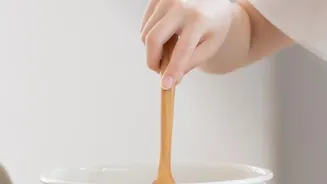
The first line of defense against lumpy upma is constant, steady stirring at the critical moment of combining sooji and water. When dry, roasted semolina is introduced to boiling water, its natural instinct is to clump together as the outer layers of the grains absorb moisture instantly. If you dump the rava in all at once, you create a traffic jam; the grains on the outside of the pile gelatinize and form a barrier, preventing water from reaching the grains in the center. The result is a lumpy mess with pockets of uncooked, dry sooji. The correct method is to pour the rava into the boiling water in a slow, steady stream with one hand, while stirring continuously with the other. This ensures each grain gets individually introduced to the hot liquid, allowing it to start absorbing water evenly without forming a sticky alliance with its neighbours.
The Science of Sooji and Steam
To understand why the final steps are so important, we need to look at the science. Semolina is mostly starch. When starch granules are heated in water, a process called gelatinization occurs. The granules absorb water, swell up, and soften, which is what 'cooks' the upma and thickens the mixture. Stirring helps this initial phase, but the cooking doesn't stop when the visible water is gone. There is still a significant amount of moisture and heat trapped within the mixture. This residual steam is the secret ingredient for achieving that final, fluffy texture. However, for that steam to work its magic, it needs to be contained.
The Magic of a 5-Minute Rest
This brings us to the most overlooked, yet transformative, step: resting. Once the upma has thickened and most of the water has been absorbed, turn off the heat completely. Put a tight-fitting lid on the pan and walk away for 5 to 10 minutes. Do not peek. During this resting period, the trapped steam gently and evenly distributes itself throughout the upma. It finishes cooking the very core of each semolina grain, ensuring there are no raw or hard bits. More importantly, this process allows the grains to fully swell and separate, transforming the texture from merely cooked to truly fluffy. Skipping this step is why many upmas turn out heavy and dense; the grains never get the chance to fully bloom in the ambient moisture.
Putting It All Together for Fluffy Results
So, how do you incorporate this into your routine? It’s a simple sequence. First, always dry roast your rava until it's fragrant, which prevents stickiness from the start. Prepare your tempering and sauté your vegetables. Bring your measured water to a rolling boil. Now, the crucial part: reduce the heat to low, and begin pouring the roasted rava in a thin stream while stirring constantly to prevent lumps. Continue to stir until the mixture thickens and pulls away from the sides of the pan. This is the moment to stop. Cover the pan tightly, turn off the flame, and let it rest for at least five minutes. When you finally lift the lid, use a fork to gently fluff the upma. You will find it noticeably lighter, more aromatic, and with the perfect separated-grain texture you've been aiming for.