
An Iconic Andhra Combination
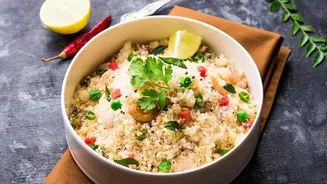
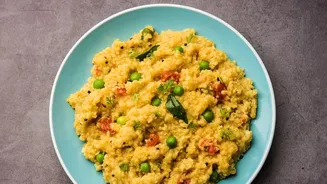
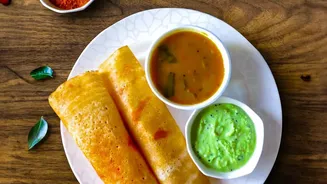
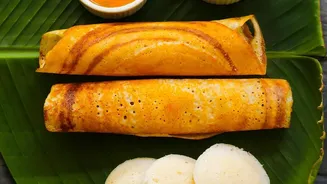
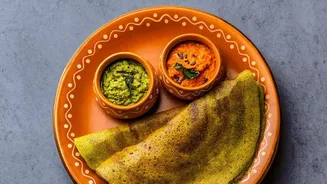
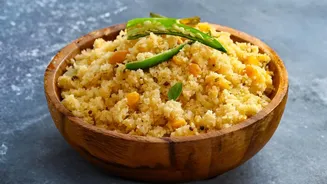
Pesarattu Upma is a beloved breakfast dish originating from Andhra Pradesh. At its heart, it’s a brilliant two-in-one creation: a crispy, savoury crepe (the pesarattu) made from green moong dal, which is then filled with a soft, steaming portion of upma,
a thick porridge made from semolina. This isn't just a random pairing; it's a culinary masterstroke. The pesarattu itself is distinct from other dosas because it uses whole green gram (moong dal) for its batter, which doesn't require fermentation. This gives it a unique, earthy flavour and a healthy dose of protein, making it a nutritious and filling start to the day. The combination is so popular in the region that it has earned the nickname "MLA Pesarattu," supposedly because it was a special, off-menu item frequently requested in the canteens of the Member of Legislative Assembly (MLA) quarters in Hyderabad.
The Soul of the Pesarattu
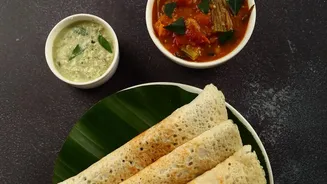
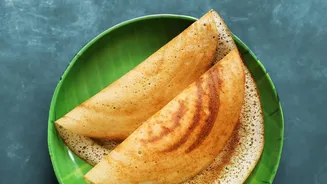
The magic begins with the crepe itself. The batter is made by soaking whole green moong dal, sometimes with a small amount of rice to enhance crispiness, for several hours. This mixture is then ground into a paste with fresh ginger, green chillies, and cumin seeds. Unlike traditional dosa batter, this one is ready to use almost immediately. When the batter hits a hot, oiled griddle, it sizzles and spreads into a thin, delicate circle. The key to a great pesarattu is achieving that perfect texture: wonderfully crisp, almost lacey at the edges, while remaining slightly soft towards the centre. The green gram lends it a beautiful light green hue and a distinct, wholesome taste that sets it apart from rice-and-lentil-based dosas.
The Heart of the Upma Filling
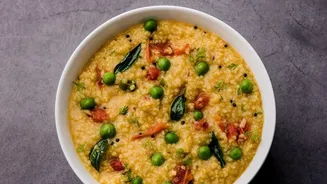
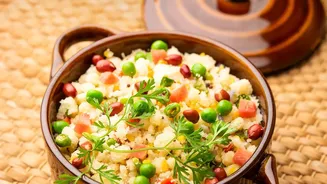
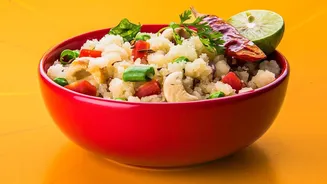
While the pesarattu provides the crispy shell, the upma provides the soft, comforting heart of the dish. The upma made for this specific purpose is often kept simple to complement, not overpower, the dosa. It's typically a straightforward mix of dry-roasted semolina (rava or sooji) cooked with water and a tempering of mustard seeds, cumin seeds, dals, and curry leaves. While some home versions might include vegetables, the classic upma for this pairing is usually unadorned, allowing its savoury, fluffy texture to shine. Some recipes call for a generous topping of finely chopped raw onions, ginger, and green chillies sprinkled over the crepe as it cooks, adding another layer of pungent crunch.
The Magic of the Moment
So, why does it taste best straight from the griddle? The answer lies in the delightful contrast of textures. Freshly made, the pesarattu is at its peak crispiness, offering an audible crunch as you tear into it. Inside, the upma is steaming, soft, and almost melts in your mouth. The heat from both components melds them together perfectly. This textural harmony is fleeting. As it sits, the steam from the hot upma begins to soften the crispy crepe, turning it pliable and eventually soggy. The upma itself starts to cool and congeal, losing its light, fluffy quality. The magic is in that immediate interplay between the hot, crisp exterior and the soft, savoury interior. It’s a sensory experience that simply cannot be replicated with a reheated or pre-made version.
Perfect Pairings and How to Enjoy
To complete the experience, Pesarattu Upma is almost always served with a side of chutney. The most traditional and highly recommended accompaniment is Allam Pachadi, a fiery and tangy ginger chutney. The sharp, pungent flavour of the ginger cuts through the richness of the dish beautifully, providing a perfect counterpoint that elevates every bite. Coconut chutney is another popular choice. When you get your hands on one, don't wait. Fold it, tear a piece with your fingers, scoop up some chutney, and enjoy the combination of crisp, soft, savoury, and tangy all at once. It’s a breakfast that doesn’t just feed you; it wakes up your senses.