

India's Land of the Rising Sun
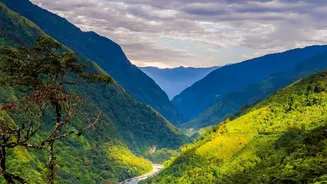
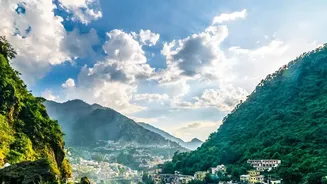
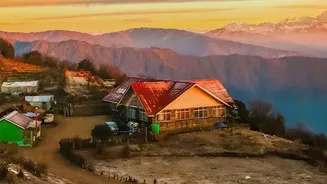
Tucked away near the tri-junction where India, China, and Myanmar meet, Dong Valley is more than just a scenic destination. Its geographical position at an elevation of 1,240 metres gives it the unique honour of receiving the country's first rays of sunlight.
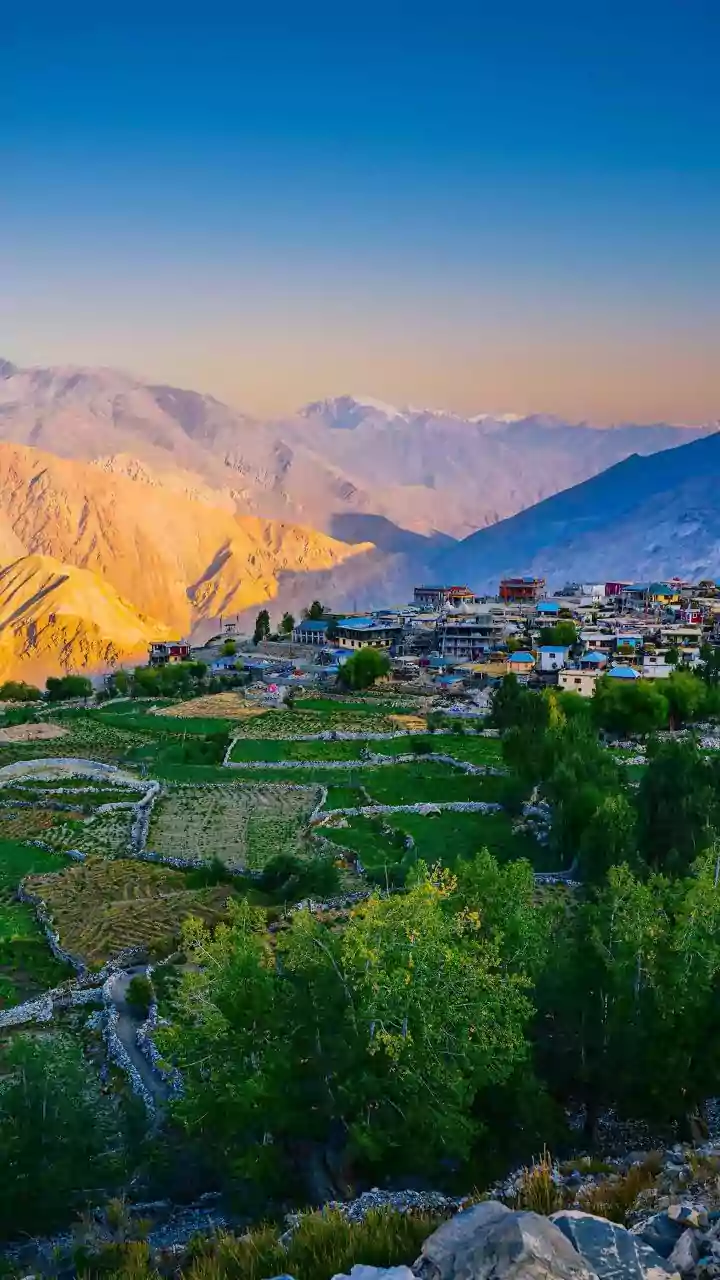
This fact was officially confirmed in 1999, and the village gained national attention when it hosted a special celebration to witness the first sunrise of the new millennium on January 1, 2000. For travellers, it offers a rare opportunity to see the day begin before anywhere else in the country, but this reward comes only after a dedicated effort in the dead of night. Inhabited by the Meyor tribe, the small village of Dong offers a glimpse into a life deeply connected with the rhythms of nature.
The Journey to Walong
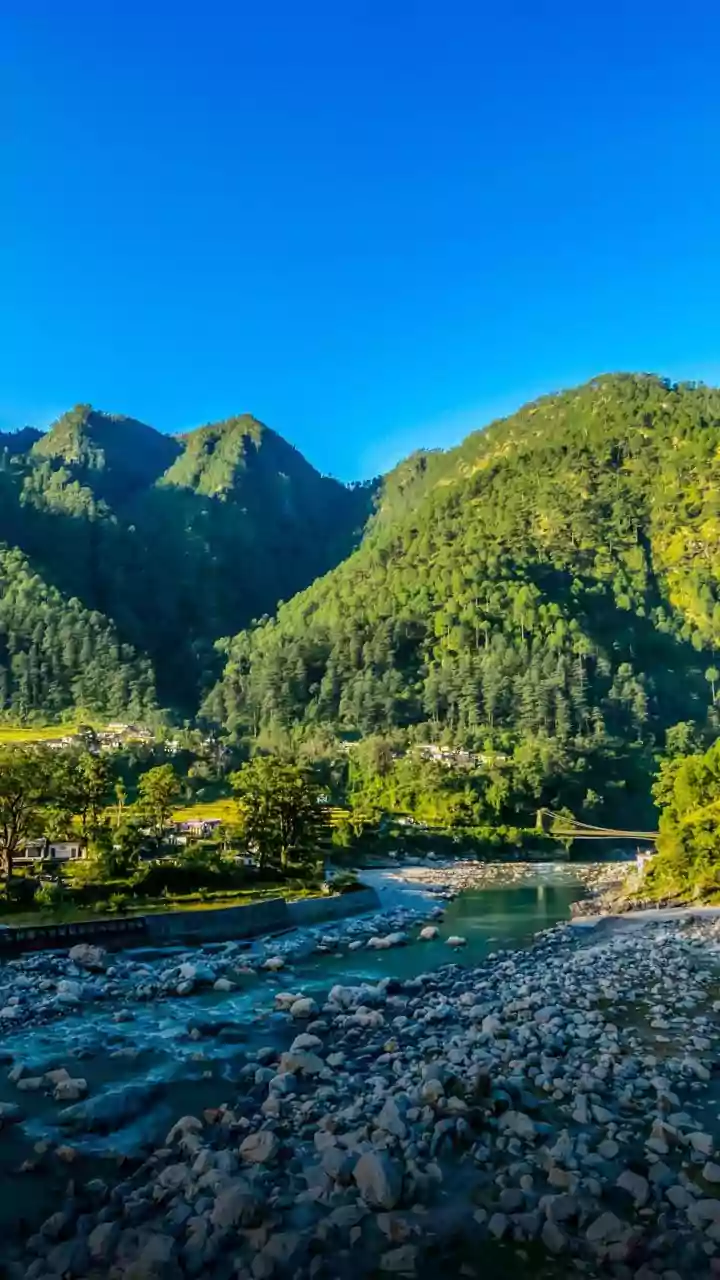
Reaching the starting point for the sunrise trek is an adventure in itself. The nearest major airport is in Dibrugarh, Assam, with the closest railway station being New Tinsukia Junction. From either of these points, a long but scenic road journey awaits. Travellers typically hire a private vehicle for the multi-day trip. The most common route involves driving to Tezu, the headquarters of Lohit district, which can take a full day. From Tezu, the drive continues to Walong in Anjaw district, a journey of another 8-10 hours along the winding roads that follow the Lohit River. Accommodation in the area is basic, consisting mainly of government guesthouses and a few homestays in and around Walong. It's crucial to book these in advance due to limited availability.
The Midnight Trek
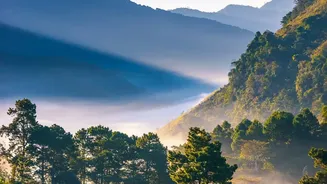
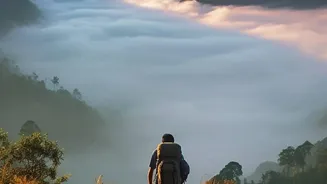
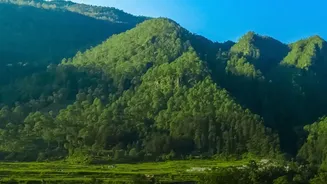
The main event begins while most are fast asleep. To catch the sunrise, which can happen as early as 4:30 AM depending on the season, the trek must start around 2 AM. From Walong, it's a short drive to the village of Tilam, where the trail begins. The trek itself is a moderately steep climb of about 90 minutes to two hours through fragrant pine forests. As it takes place in complete darkness, a headlamp or a powerful torch is not just recommended, but essential. Local guides are mandatory and can be arranged in Walong or Dong village. They navigate the dark trail, share local knowledge, and often start a small bonfire at the viewpoint to keep trekkers warm in the chilly pre-dawn air.
The Sunrise Spectacle
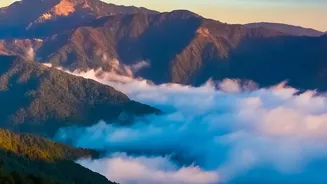
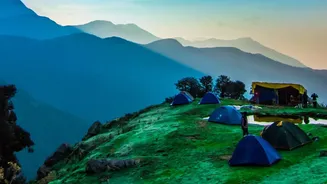
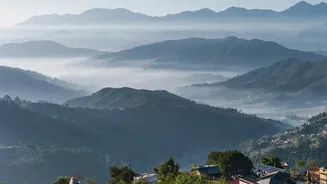
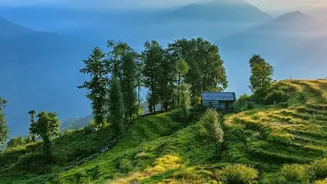
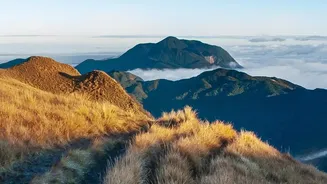
After the brisk climb, you arrive at a meadow on a high ridge. Here, you wait for the magic to happen. The experience is often described as surreal, with the first hint of light slowly pushing back the darkness from the eastern horizon. The sun appears not as a slow glow, but as a brilliant ball of fire that seems to bloom over the distant mountains, illuminating the sprawling valley and the confluence of rivers below. The silence of the mountains, broken only by the wind, combined with the stunning visual, makes the arduous journey entirely worthwhile. For those few moments, standing on the easternmost edge of the country, you are the first in a nation of a billion people to greet the new day.
Permits and Practicalities
A trip to this remote region requires some paperwork. All domestic tourists from outside Arunachal Pradesh must obtain an Inner Line Permit (ILP). Because Dong is in a border area, an additional Protected Area Permit (PAP) issued by the district administration is also required for Indian nationals. It is best to arrange this through a local tour operator well in advance. Foreign nationals are generally barred from this specific border zone. The best time to visit is during the post-monsoon and winter months, from October to April, when the skies are clearest. Remember to carry enough cash, as the last reliable ATM is in Hayuliang, and fuel up your vehicle at Khupa, the last petrol pump before Walong.