



The Foundation: Choosing Your Potatoes
The success of your tikki begins with the right potato. Experts recommend starchy potatoes like Russet or King Edward. These varieties have a lower moisture content, which is crucial for achieving a firm, dry mash that fries up to a perfect, crispy finish.
Waxy potatoes, on the other hand, can hold too much water, leading to a sticky mixture and a soggy final product. For best results, boil the potatoes with their skins on until they are just tender when pierced with a fork; overcooking will make them waterlogged. Once cooked, it's vital to let them cool down completely before you even think about mashing.
Mastering the Mixture
Once your potatoes are cool, peel and mash them thoroughly—or for an even drier texture, grate them. The goal is a smooth consistency with no lumps. Now, it’s time for the binders and flavours. A binding agent is essential to prevent your tikkis from breaking apart in the pan. Cornflour, rice flour, or breadcrumbs are all excellent choices as they help absorb any lingering moisture. For the spices, a classic combination includes garam masala, chaat masala for a tangy kick, cumin powder, and a bit of red chilli powder for warmth. Freshly chopped coriander, ginger, and green chillies add a layer of fresh, vibrant flavour. Mix everything until just combined, but be careful not to overwork the dough, which can make it sticky.
The Secrets to a Perfect Crunch
The difference between a good tikki and a great one lies in the crunch. The first secret is moisture control; if your potato mixture feels sticky or wet, add more breadcrumbs or flour until it's firm and manageable. The second secret is chilling. After shaping your mixture into patties, letting them rest in the refrigerator for at least 20-30 minutes helps them firm up, ensuring they hold their shape beautifully during frying. When it's time to cook, use a heavy-bottomed pan with enough oil for shallow frying—it should come about halfway up the side of the patties. Make sure the oil is properly hot before you begin; if it’s not hot enough, the tikkis will absorb oil and become greasy instead of crisp.
Frying and Serving Suggestions
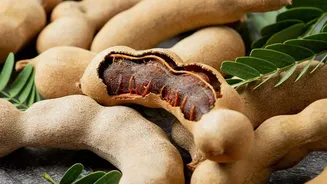
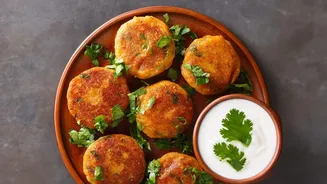
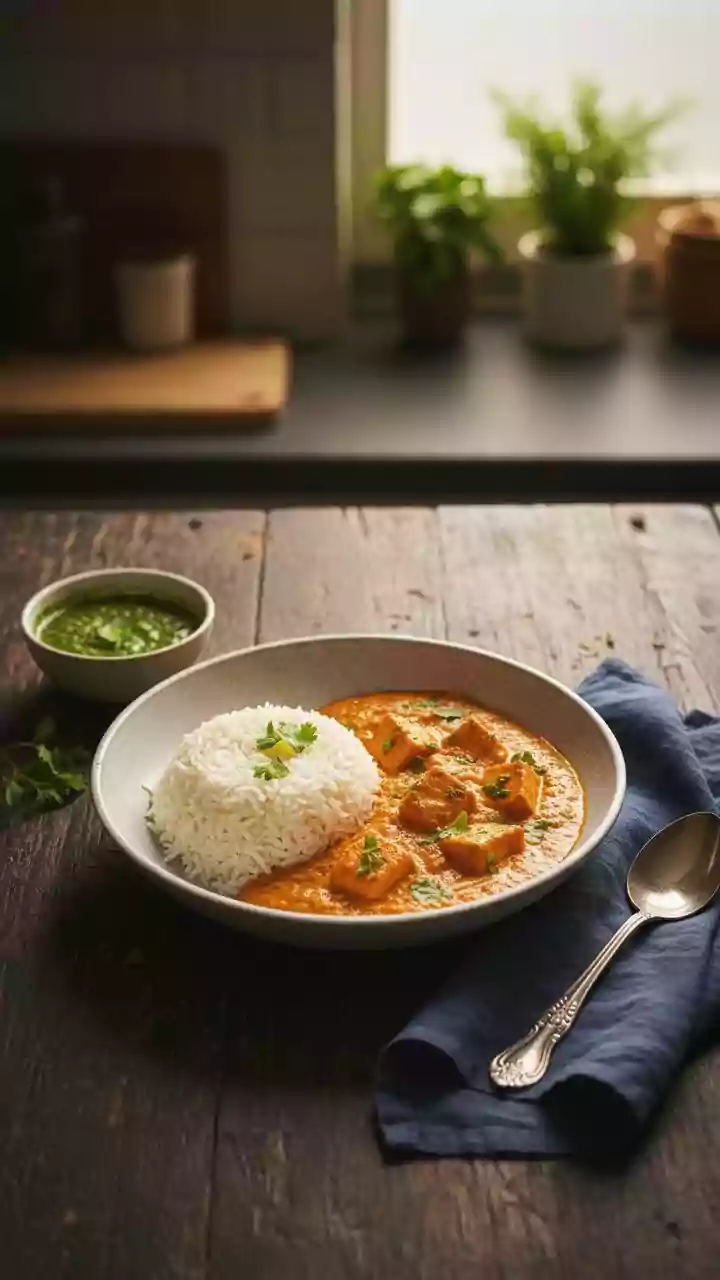
Gently place the chilled tikkis into the hot oil, giving them space so they don't overcrowd the pan. Don’t be tempted to flip them too early. Let them cook undisturbed for 3-4 minutes on the first side until a deep golden-brown crust forms. Then, flip carefully and cook the other side to match. Once both sides are perfectly crisp, remove them to a plate lined with a paper towel to drain any excess oil. Aloo tikkis are incredibly versatile. Serve them hot as a snack with mint chutney, tamarind chutney, or plain yogurt. For a more substantial meal, use them as the base for aloo tikki chaat, tuck them into a bun for a delicious veggie burger, or serve them alongside a chickpea curry like chole.