




The Protein Boom in Indian Kitchens
Walk down any supermarket aisle today, and you’ll see the evidence: protein-infused biscuits, high-protein atta, fortified dosa batter, and protein bars sitting next to chocolate bars. What was once a niche product for serious athletes has officially
gone mainstream. The Indian protein market is experiencing explosive growth, with projections showing it could reach over USD 2.2 billion by 2031. This boom is fueled by a fundamental shift in consumer mindset. Regular office workers, busy parents, and health-conscious individuals are all looking for ways to add more protein to their daily diets, moving beyond basic sustenance to embrace food as functional fuel.
Why Is This Happening Now?
Several factors are driving this protein-centric wave. A growing health consciousness across the country means more people understand the link between diet and overall wellbeing. Protein is recognized not just for muscle building, but for its role in satiety—keeping you feeling full longer—which aids in weight management. Busy urban lifestyles demand convenient nutrition, and protein-packed snacks offer an easy solution. Furthermore, there's a growing awareness of a significant 'protein gap' in the typical Indian diet, which is often rich in carbohydrates but lacking in adequate protein. Reports suggest a large percentage of the urban population may be protein-deficient, creating a massive opportunity for brands to fill this nutritional need.
Plant Power and Traditional Wisdom
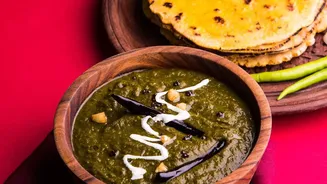
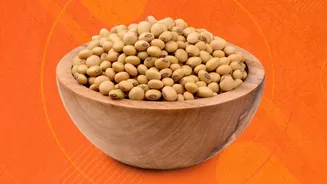
In a country with a large vegetarian population, the rise of plant-based protein is a crucial part of the story. The Indian plant-based protein market is expanding at a remarkable rate, outpacing even global growth averages. Innovations in ingredients like pea, soy, and rice protein are making it easier for manufacturers to create high-protein vegetarian products without compromising on taste or texture. Simultaneously, there's a renewed appreciation for traditional, protein-rich Indian foods. Staples like paneer, dal, sprouts, sattu, and makhana are being rediscovered and marketed for their inherent nutritional benefits. This trend marries modern nutritional science with the timeless wisdom of the Indian kitchen.
How Brands Are Responding
The food industry has been quick to capitalize on this trend. Large FMCG companies and nimble startups alike are launching an array of innovative products. Dairy giants are rolling out high-protein yogurts, lassi, and paneer. Snack companies are offering everything from protein cookies to roasted edamame. Even everyday staples are getting a protein boost, with brands launching fortified atta, millet-based batters, and protein-enhanced breakfast cereals. Quick-commerce platforms report that spending on protein-related orders has surged, showing that consumers are readily adopting these new products.
A Balanced Approach Is Key
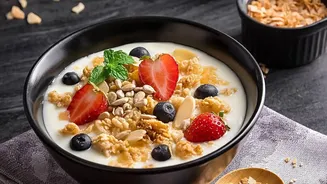
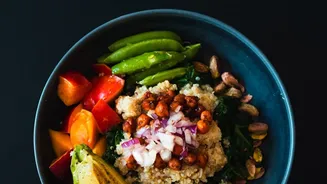
While the focus on protein is a positive step toward better nutrition, experts advise a balanced approach. A healthy diet isn't just about maximizing one nutrient. It’s about ensuring a good mix of proteins, healthy fats, complex carbohydrates, and fibre. Nutritionists recommend a 'food-first' approach, encouraging people to incorporate whole food sources of protein like dal, legumes, paneer, eggs, and lean meats into every meal. The goal should be to spread protein intake throughout the day—starting with breakfast—rather than concentrating it in a single meal or relying solely on supplements. While a protein bar is convenient, a balanced meal of dal, sabzi, and roti provides a wider range of essential nutrients.