



What Are Matcha Beauty Drinks?
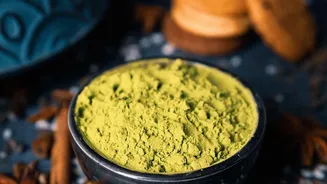
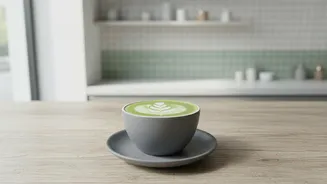
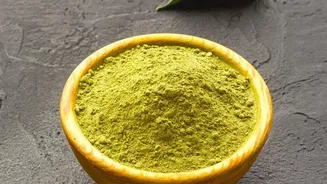
At their core, these trendy beverages blend Japanese matcha—a powder made from finely ground, shade-grown green tea leaves—with water or milk. What elevates them into the 'beauty' category is the addition of other wellness-focused ingredients. It's common
to find them enhanced with collagen peptides for skin structure, hyaluronic acid for hydration, or adaptogens like maca for energy. The marketing often centres on achieving radiant skin, stronger nails, and healthier hair, presenting the drink as a delicious beauty ritual.
The Caffeine Question: How Much Is In There?
Yes, matcha contains caffeine, and therefore, so do these beauty drinks. Because you consume the entire tea leaf rather than just steeping it, matcha delivers a more concentrated dose of everything in it, including caffeine. A typical serving of matcha (about one to two grams, or half a teaspoon) contains anywhere from 38 to 88 milligrams of caffeine. This can be slightly more than a standard cup of black tea (around 50 mg) but generally less than a brewed coffee, which can range from 80 to over 150 mg per cup. The exact amount in your latte will depend on how much matcha powder the cafe uses.
A Different Kind of Buzz
The caffeine experience from matcha is noticeably different from coffee. This is thanks to a unique amino acid called L-theanine, which is abundant in shade-grown matcha. L-theanine promotes a state of calm, relaxed alertness by stimulating alpha brain waves—the same ones associated with meditation. It works synergistically with caffeine, slowing its absorption into the bloodstream. This results in a sustained, gentle lift in energy over several hours, without the sharp spike and subsequent 'crash' or jitters that many people experience with coffee.
Do the 'Beauty' Claims Hold Up?
Matcha itself is an antioxidant powerhouse, packed with compounds called catechins, particularly EGCG, which help protect cells from damage caused by free radicals. This can contribute to skin health by defending against environmental stressors and supporting a clearer complexion. Many of the added ingredients, like collagen, are popular for their potential to support skin elasticity and hydration. While sipping on these drinks can certainly be a part of a healthy lifestyle, they are not a magic potion. True skin health relies on a balanced diet, proper hydration, sun protection, and a consistent skincare routine.
Know Your Limit and Enjoy Mindfully
Health authorities generally agree that a daily caffeine intake of up to 400 milligrams is safe for most healthy adults. If you are pregnant, the recommendation is to limit intake to 200 mg per day. One or even two matcha beauty lattes will likely keep you well within this limit. The key is to be mindful of your total consumption throughout the day. This includes caffeine from coffee, tea, soft drinks, and even chocolate. If you're sensitive to caffeine or enjoy a coffee in the morning, your afternoon matcha latte definitely counts towards your daily total. To avoid it interfering with sleep, it's wise to avoid any caffeine at least six hours before bedtime.