


The Maharashtrian Mainstay: Kanda Poha
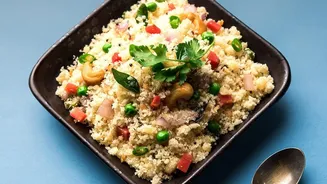
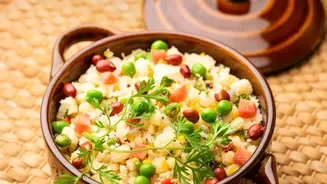
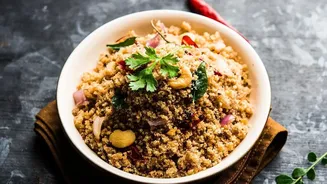
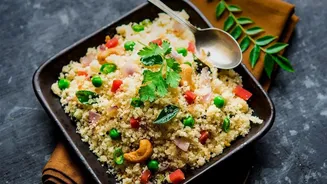
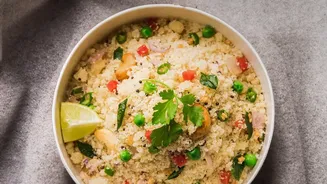
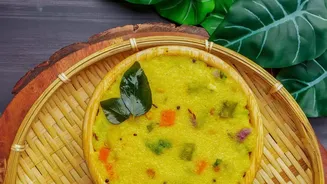
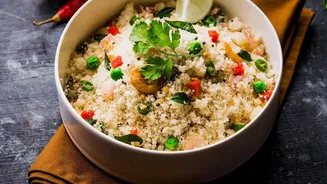
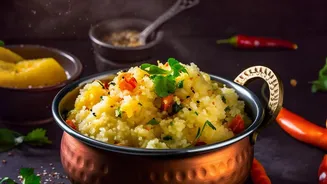
In Maharashtra, poha is practically a way of life, and Kanda Batata Poha is the undisputed champion. This version is a savoury and hearty preparation where ‘kanda’ (onion) and often ‘batata’ (potato) form the foundation. The rinsed poha is tossed into
a tempering of mustard seeds, cumin seeds, curry leaves, and green chillies. Diced onions and potatoes are sautéed until soft before the flattened rice is added, along with a dash of turmeric for its characteristic yellow hue. The dish is finished with roasted peanuts for crunch, a sprinkle of fresh coriander, and a squeeze of lemon juice to cut through the richness. It’s a perfectly balanced meal that’s both filling and flavourful, commonly enjoyed for breakfast or as an evening snack.
Indore’s Street Food Star: Jeeravan Poha
Travel to Madhya Pradesh, and you'll find that poha is not just breakfast; it's an institution. Indori Poha is famous for its unique preparation and toppings. Here, the poha is steamed until it is exceptionally soft and fluffy. The magic, however, lies in the garnish. A plate of Indori poha is generously topped with a special spice blend called 'jeeravan masala,' which lends a tangy, spicy, and slightly sweet flavour profile that's utterly unique. This is accompanied by a mountain of crunchy sev (fried gram flour noodles), finely chopped raw onions, and often pomegranate seeds for a burst of sweetness. It’s a textural and flavourful delight, often served with a side of hot, sweet jalebi, creating a classic sweet-and-savoury combination that defines the city's street food culture.
Bengal’s Sweet & Savoury Twist: Chirer Pulao
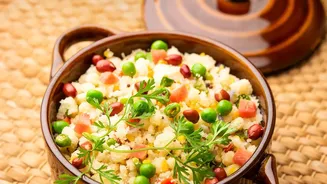
In West Bengal, the dish takes on a different persona as 'Chirer Pulao'. This version leans towards a sweet and savoury flavour profile and is often more elaborate. It's cooked with a variety of vegetables like carrots, peas, cauliflower florets, and potatoes, making it more like a light pilaf. The tempering often includes spices like fennel and cumin seeds. What sets it apart is the addition of nuts like cashews and peanuts, along with raisins that provide small bursts of sweetness. A touch of sugar is usually added to balance the flavours, making the Bengali Chirer Pulao a richer, more complex dish than its simpler Western Indian counterparts. It’s a festive and colourful preparation, perfect for a special breakfast or snack.
Goa's Coastal Connection: Coconut Poha
Given Goa's coastal geography, it's no surprise that coconut plays a starring role in its cuisine, and poha is no exception. Goans, who call poha 'fov', prepare it in several ways. One popular version is a sweet dish known as 'Godache Fov', where the flattened rice is mixed with freshly grated coconut and melted jaggery (palm sugar). This mixture is often scented with cardamom powder. Another savoury variation is 'Kalayle Fov', where the poha is mixed with a spicy coconut-based masala. There are also sweet preparations where the poha is soaked in sweetened coconut milk, sometimes flavoured with turmeric leaves, known as 'Rosatle Fov'. These versions highlight the region's love for fresh coconut and jaggery, offering a completely different taste experience.
The No-Cook Wonder: Dadpe Poha
Hailing from the Konkan coast of Maharashtra, Dadpe Poha is a masterclass in simplicity and fresh flavours. What makes this variety truly unique is that it's a 'no-cook' recipe. Thin poha flakes are used for this preparation. They are mixed with finely chopped onion, fresh grated coconut, coriander, and green chillies. Salt is added to the onions and coconut, which helps them release moisture. This moisture, along with a squeeze of lemon juice, is enough to soften the thin poha flakes through a process called 'dadapne' or pressing. The mixture is then finished with a hot tempering of oil, mustard seeds, and asafoetida poured over the top. The result is a light, refreshing, and crunchy snack that comes together in minutes.