








The 'Red Label' Plan: A Clear Warning
For several years, India's food regulator, the FSSAI, considered a straightforward system to tackle rising health concerns like obesity and diabetes. The idea was to place a prominent red warning label, much like a stop sign, on the front of packaged
foods high in fat, sugar, or salt (HFSS). This Front-of-Pack Labelling (FoPL) proposal was designed to give consumers an at-a-glance understanding of a product's health impact, helping them make informed choices without needing to decode complex nutritional tables on the back. Health experts lauded the plan, pointing to its success in other countries where similar clear warnings helped reduce the consumption of unhealthy products. The goal was simple: make it easy for everyone, regardless of their literacy level, to identify foods that could pose a health risk.
Industry Pushback and a Shift in Strategy
The proposal for red warning labels met with strong resistance from major players in the food and beverage industry. Companies argued that such labels would be confusing for consumers and that Indian cuisine's bolder flavours naturally require more salt and fat. At a pivotal meeting in March, industry executives contended that interpretive labels were ineffective because most consumers already ignore ingredient lists. There were fears that if strict thresholds were applied, as much as 80% of packaged foods in the Indian market might require a red label, which they argued would unfairly demonise many products. Facing this significant pushback, the FSSAI abandoned the colour-coded warning plan.
The Replacement: The 'Indian Nutrition Rating'
In place of the red warning, a different system was proposed: the Indian Nutrition Rating (INR), more commonly known as the Health Star Rating (HSR). This model, similar to systems used in Australia and New Zealand, rates the overall healthiness of a product on a scale from a half-star (least healthy) to five stars (healthiest). Instead of a simple warning about negative nutrients, the HSR system uses an algorithm that calculates a score. It deducts points for high levels of sugar, saturated fat, and sodium, but can also add points for positive components like fruits, nuts, and fibre. This means a product high in sugar could still achieve a better star rating if it also contains some 'positive' ingredients, a key difference from the original warning-based model.
Warning vs. Rating: A Critical Difference
The shift from a warning label to a rating system represents a fundamental change in philosophy. Public health advocates argue that warning labels are unambiguous stop signs that are quickly understood and proven to discourage unhealthy choices. A star rating, on the other hand, is an interpretive guide. Critics suggest it can create a misleading 'health halo,' where a product with a 2.5-star rating might be perceived as moderately healthy, even if it's high in salt or sugar. For example, under some calculations, traditional paneer and processed noodles could receive the same 2.5-star rating. This places a greater burden on the consumer to understand the nuances of the rating, rather than receiving a direct warning about specific unhealthy ingredients.
What This Means for Indian Consumers
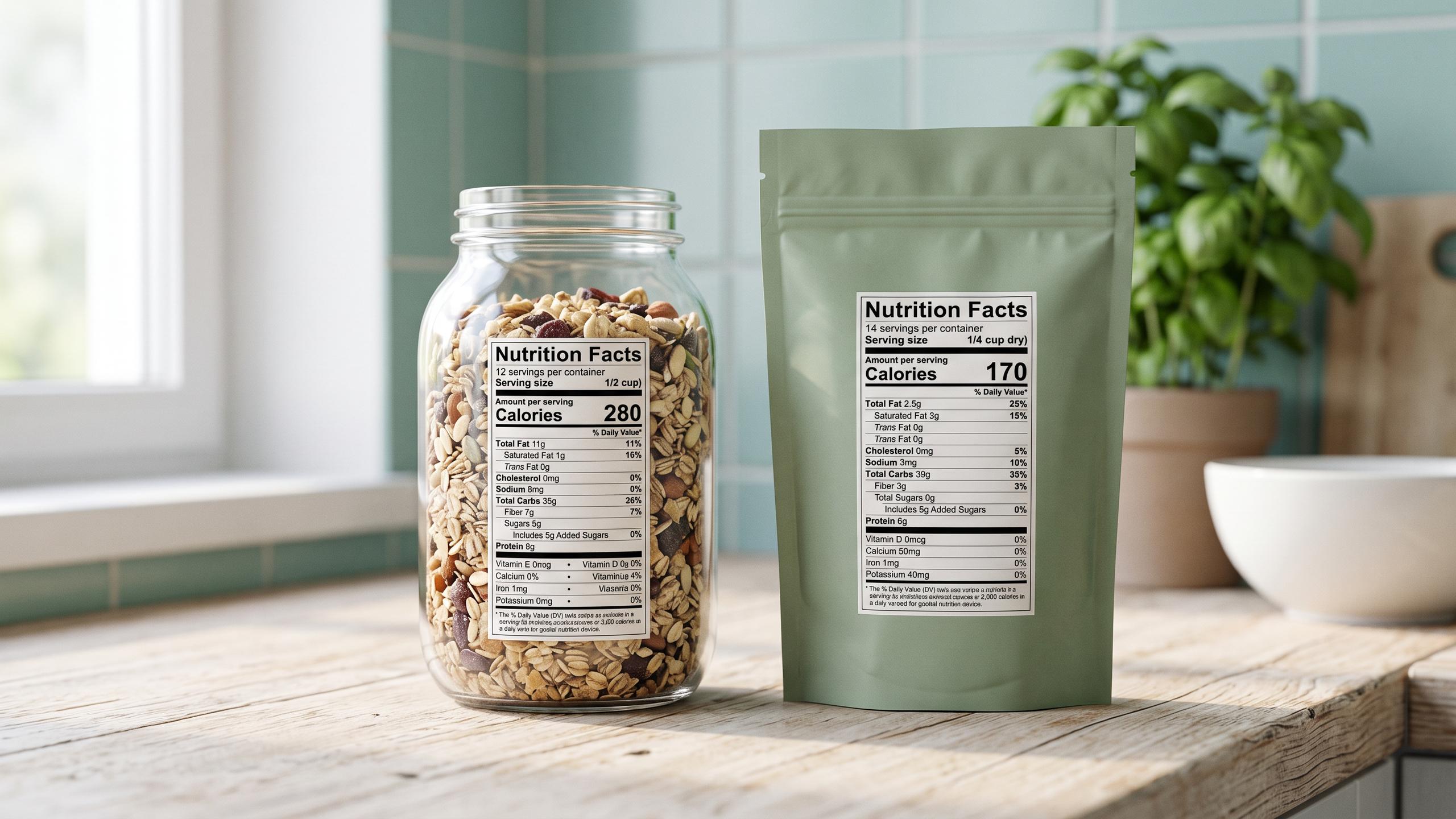
The move away from direct red warnings means shoppers need to be more vigilant. While the HSR system aims to provide guidance, it is not the simple alert system that was first proposed. The matter has also drawn scrutiny from the Supreme Court, which has been pushing the regulator to finalize a system that prioritizes citizen health. While the final regulations continue to evolve, consumers are left to navigate the supermarket aisle with a system that requires more interpretation. It highlights the ongoing tension between public health goals and powerful industry interests. Until a clear, mandatory system is in place, the most reliable tool remains the nutritional information panel on the back of the pack, even if it requires a little more effort to read.