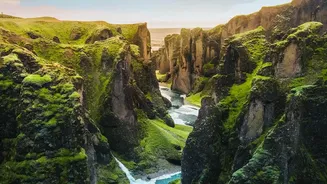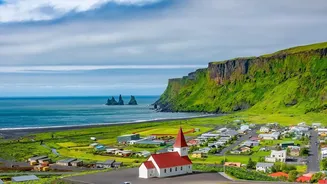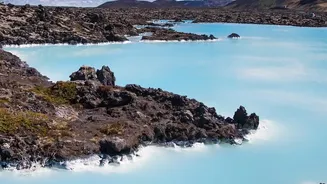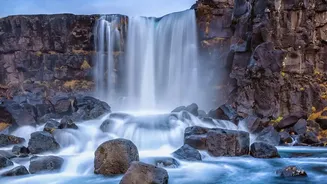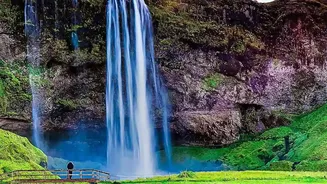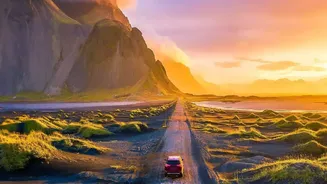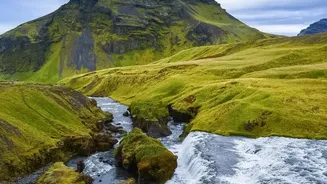


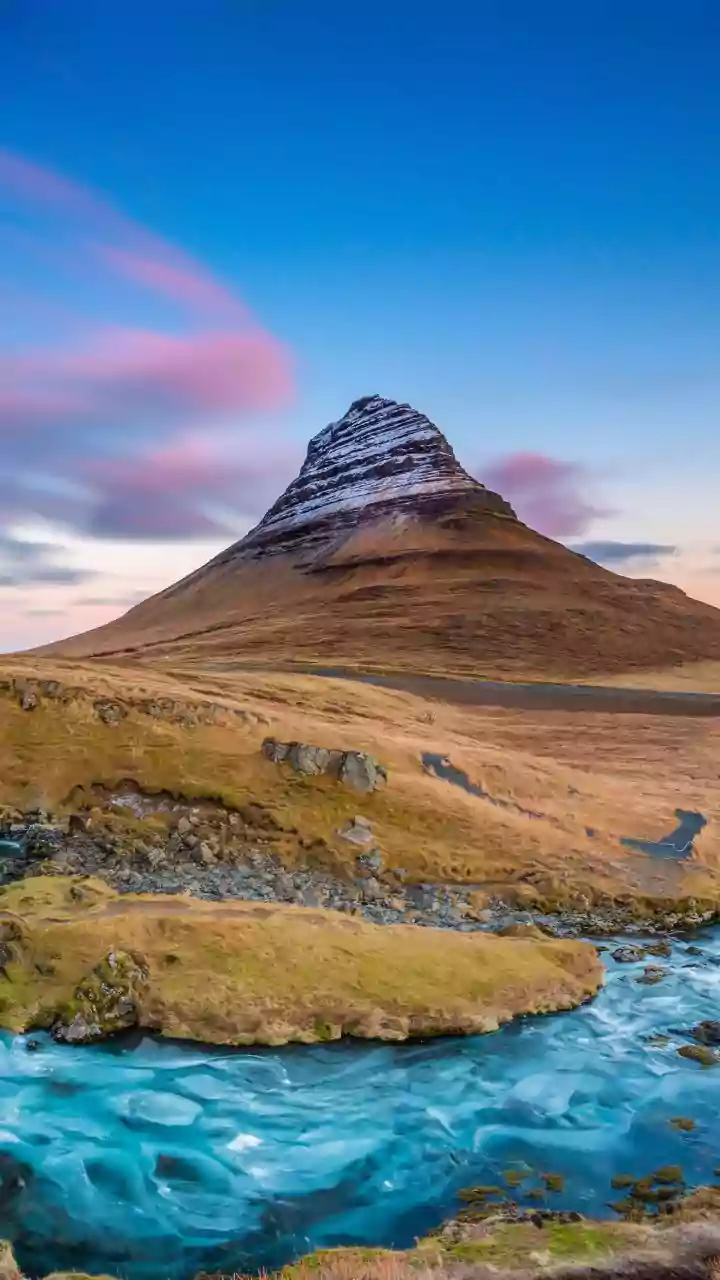
While Iceland’s famous Ring Road offers breathtaking sights, a world of raw, untouched beauty awaits those willing to venture further. Beyond the crowds, remote roads lead to dramatic fjords, vast lava fields, and secluded valleys.
The Allure of the Open Road
To truly escape into
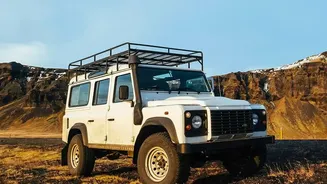
Iceland’s wild heart, you must leave the paved certainty of the Ring Road behind. The country’s interior and most remote peninsulas are crisscrossed by a network of mountain roads, known as F-roads. These are not highways but gravel tracks that are often unmaintained, narrow, and challenging. By law, a 4x4 vehicle is required to drive on any F-road, as they can involve everything from bumpy surfaces to unbridged river crossings. This type of travel requires planning and a sense of adventure, but the rewards are immense: solitude, pristine landscapes, and the feeling of discovering a side of Iceland that few tourists ever see. These roads are typically only open during the summer months, from late June to early September, when the winter snow has melted.
The Wild Westfjords
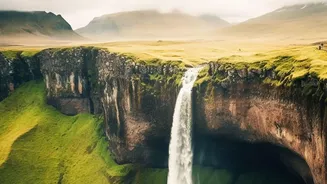
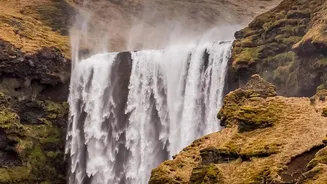
In the country's northwestern corner lies the Westfjords, a massive peninsula of jagged fjords and towering mountains that remains one of Iceland's least-visited regions. Only a small fraction of tourists make the journey here, ensuring its wild character remains intact. The drive itself is a major part of the experience, with roads clinging to dramatic coastlines and climbing over steep mountain passes. The star of the region is Dynjandi, a magnificent 100-metre waterfall that cascades down a series of terraces. Further west, the Látrabjarg cliffs are a haven for millions of seabirds, including puffins that can be observed up close during the summer. The region is also dotted with tiny fishing villages and natural geothermal hot springs, offering a quiet and authentic Icelandic experience far from the main tourist trail.
The Serene Eastfjords
On the opposite side of the country, the Eastfjords offer a different but equally captivating version of remote beauty. This region is characterized by a long chain of deep fjords, each with its own quiet fishing village nestled at its base. The driving here is less about rugged mountain tracks and more about winding coastal roads that reveal stunning new vistas at every turn. Hengifoss, one of Iceland's tallest waterfalls, is a major highlight, with its water plunging down a cliffside streaked with red clay layers. The area is also home to Studlagil Canyon, with its remarkable basalt columns, and is the only part of Iceland where you can spot wild reindeer. Towns like Seyðisfjörður, with its colourful wooden houses and thriving arts scene, provide a charming base for exploration.
Journey to the Highland Heart
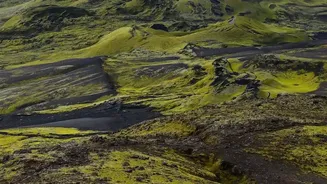
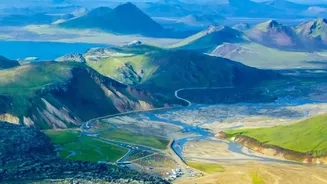
The Icelandic Highlands are the country's uninhabited interior, a volcanic desert of black sand, colourful mountains, and vast lava fields accessible only via F-roads in the summer. This is where Iceland's geology is at its most raw and otherworldly. A journey here might lead you to Landmannalaugar, an area famed for its multicoloured rhyolite mountains and natural hot springs. Another classic Highland route is the F35, or Kjölur route, which crosses the interior between two glaciers. Exploring the Highlands requires a capable 4x4, as river crossings are common and conditions can change rapidly. Routes like the F26 Sprengisandur offer a true expedition feeling, with hours between any signs of civilization. It is a stark, desolate, and profoundly beautiful landscape that represents the ultimate Icelandic road trip.
Planning Your Remote Adventure
Venturing into Iceland’s lesser-known regions is immensely rewarding but requires careful preparation. A 4x4 vehicle is not just recommended for F-roads; it's legally mandatory. For routes with minor river crossings, a smaller SUV like a Dacia Duster may suffice, but for more serious Highland routes, a larger vehicle with high ground clearance, such as a Toyota Land Cruiser, is a safer choice. Always check road conditions on official sites like road.is before setting out, as F-roads can close without notice due to weather or river levels. The travel window is short, primarily from June to August. Ensure you have a full tank of gas, food, and water, as services are sparse to non-existent in these remote areas. Most importantly, respect the nature you’ve come to see by staying on marked tracks; off-road driving is illegal and damages the fragile ecosystem.