



More Than Just One Green
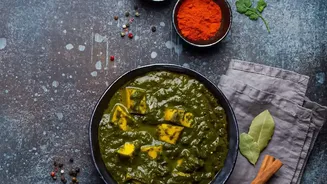
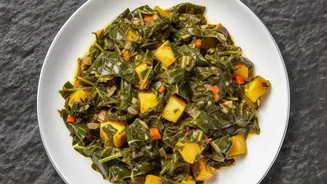
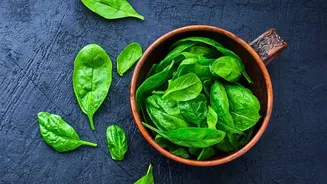
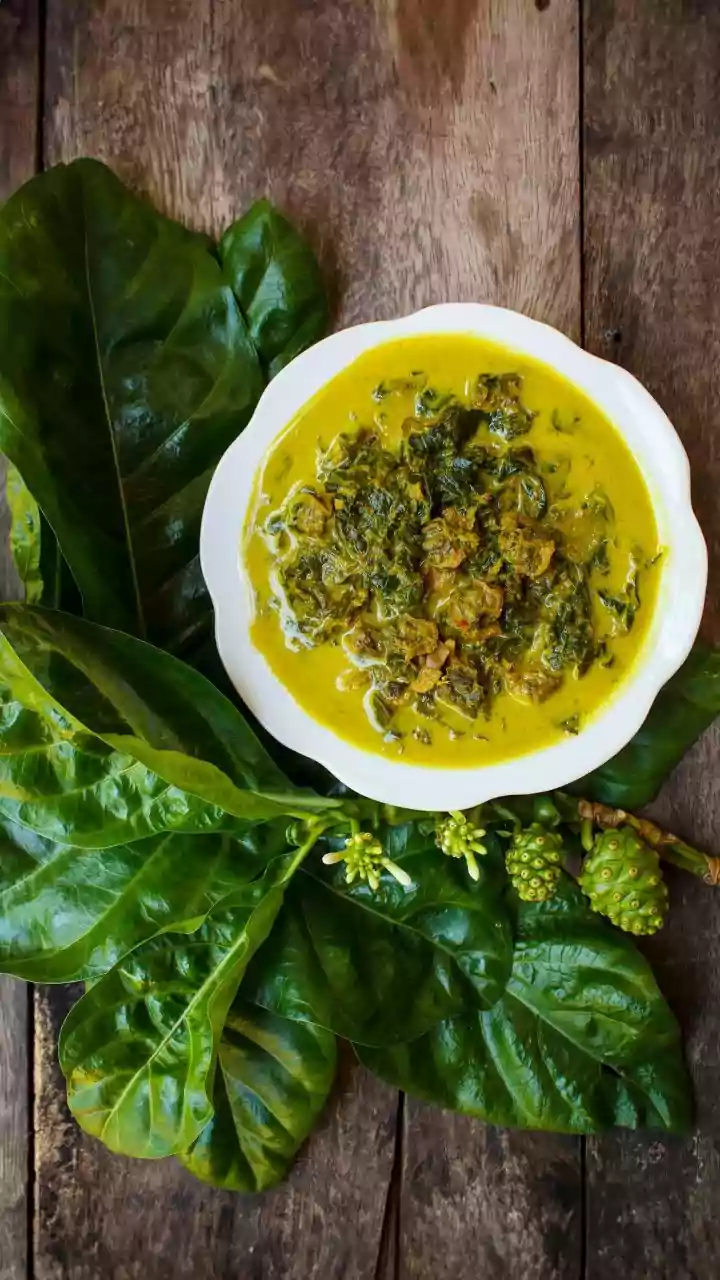
First, let's clarify what 'saag' is. The word simply means 'leafy greens'. While sarson ka saag, made from mustard leaves, is the most famous variant from Punjab, nearly every region in India has its own version. From palak (spinach) and methi (fenugreek)
to bathua (chenopodium) and amaranth leaves, saag is a celebration of seasonal greens. This variety is its first nutritional secret. Different greens provide a diverse range of vitamins and minerals, and when combined, they create a more complex and beneficial nutritional profile than any single green could offer on its own. It's a perfect example of how traditional food wisdom often aligns with modern nutritional advice about eating a variety of vegetables.
A True Nutritional Powerhouse
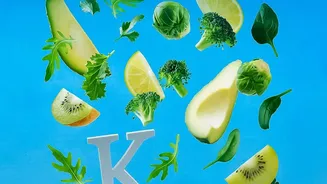
So, what’s actually inside that bowl? Saag is genuinely packed with essential nutrients. It is an exceptionally rich source of Vitamin K, a nutrient vital for blood clotting and bone health. A single serving can often provide more than the daily requirement. It's also loaded with Vitamin A, which supports vision and immune function, and Vitamin C, a powerful antioxidant that also helps the body absorb iron. Speaking of minerals, saag delivers a healthy dose of iron, calcium, magnesium, and potassium, all of which are crucial for everything from bone strength to heart health. The high dietary fibre content aids digestion and promotes a feeling of fullness, making it a satisfying and wholesome meal.
The 'Miracle Food' Myth vs. Reality
Here's where we need to be careful. The term 'superfood' is a marketing buzzword, not a scientific one. While saag is incredibly nutritious, no single food can act as a magic bullet for health. The idea that eating saag can single-handedly 'detox' your body or cure chronic diseases is a myth. True health comes from your overall dietary pattern, not from relying on one heroic ingredient. Leafy greens support your body's natural systems, but they don't replace them. The real magic of saag lies in its ability to be a delicious and consistent part of a balanced diet that includes a wide variety of whole foods.
How You Prepare It Matters
The health benefits of saag can be significantly influenced by how it's cooked. The traditional dollop of ghee or white butter isn't just for flavour; it serves a crucial nutritional purpose. Vitamins A and K, both abundant in saag, are fat-soluble, meaning they require fat to be properly absorbed by the body. A small amount of healthy fat acts as a vehicle for these essential nutrients. However, moderation is key. A restaurant-style saag swimming in cream and oil will be high in calories and saturated fat, potentially negating some of its benefits. A healthier approach for home cooking involves using just a teaspoon or two of ghee per serving, focusing on spices like ginger, garlic, and turmeric for flavour, and not overcooking the greens to preserve their nutrients.
Enjoying Saag the Smart Way
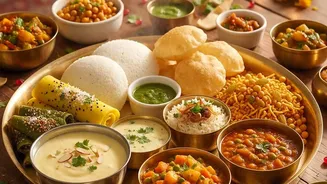
To get the most out of your saag, think about the entire meal. The classic pairing with makki di roti (maize flour flatbread) is not just a tradition; it's a balanced meal combining complex carbohydrates, fibre, and the rich nutrients from the greens. Adding a simple protein source, like paneer or lentils, can make the meal even more complete. The key is to see saag not as a miracle cure, but as a deeply nourishing and adaptable dish. Embrace the variety by trying different greens, cook it with mindful amounts of fat, and savour it as a cornerstone of a healthy, balanced diet.