




A Cycle of Contradictions
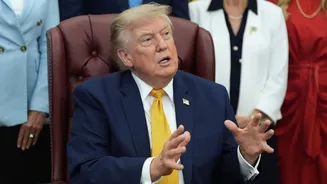
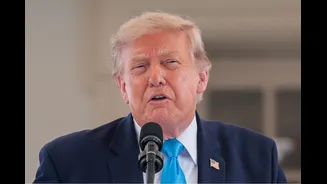
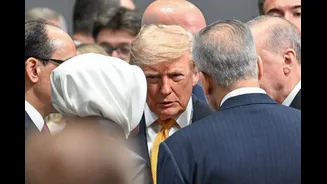
Recent days have perfectly captured the diplomatic tug-of-war. In early August 2026, US President Donald Trump announced that new talks represented a “last chance” for Iran to secure a deal and avoid further conflict. He suggested negotiations were imminent,
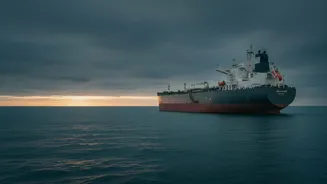
focusing first on reopening the vital Strait of Hormuz and then on denuclearization. However, Tehran immediately issued a firm denial, stating that no direct negotiations with Washington were planned. Iranian officials clarified that their only discussions were with Oman regarding a temporary shipping corridor through the strait, a far cry from the comprehensive deal described by the White House. This disconnect, where one side announces a major breakthrough and the other refutes it, is not new. It reflects a deep chasm of mistrust and conflicting objectives that have plagued relations for decades, particularly since the US-Iran conflict that began in February 2026.
The Weight of Recent Conflict
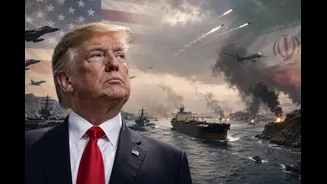
Understanding the current impasse requires looking at the events of 2025 and 2026. After attempts to renegotiate a nuclear accord failed, the US and Israel launched strikes against Iran in February 2026, targeting military and nuclear infrastructure and killing Supreme Leader Ali Khamenei. This conflict upended the region, disrupting global oil supplies through the Strait of Hormuz and leading to a fragile, Pakistan-mediated ceasefire and a memorandum of understanding (MOU) in June 2026. That MOU was intended to pave the way for a final agreement within 60 days, covering sanctions, Iran's nuclear program, and freedom of navigation. However, the two sides interpret key elements, like control over the Strait of Hormuz, in fundamentally different ways, leading to renewed hostilities and stalled progress. This history of military action has hardened positions in Tehran, making any concession to the US a politically fraught decision.
Domestic Politics as a Primary Obstacle
On both sides, domestic politics present formidable barriers. In Washington, any potential deal with Iran is intensely polarizing. President Trump’s approach of alternating between threats of massive strikes and calls for diplomacy creates an unpredictable environment. Furthermore, a potential US nuclear deal with Saudi Arabia that lacks stringent oversight complicates efforts to demand stricter terms from Iran. In Tehran, there is a significant divide between leaders who may see the economic necessity of a deal and hardliners who are deeply suspicious of American intentions. Having endured years of sanctions and recent military attacks, many in Iran's leadership believe that their nuclear program and regional influence are essential deterrents. For them, a deal seen as a surrender is unacceptable, making it difficult for negotiators to offer significant concessions.
The Unresolved Core Issues
Beyond the political posturing, several core disputes remain unresolved. The primary sticking point is Iran’s nuclear program. The US has previously insisted on zero uranium enrichment, a non-starter for Tehran, which views it as a sovereign right. The status of Iran’s enriched uranium stockpile and the extent of inspections by the International Atomic Energy Agency (IAEA) are also major hurdles. The second major issue is the Strait of Hormuz. Iran wants to maintain control and charge fees for passage, while the US and its allies demand unrestricted freedom of navigation through the critical oil chokepoint. Finally, the scope and timeline for lifting the crippling economic sanctions on Iran remain a point of contention. Without a clear and guaranteed path to sanctions relief, Tehran has little incentive to compromise on its most valuable strategic assets.