





A New Way of Seeing Heat
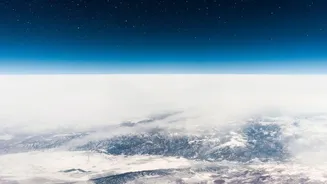
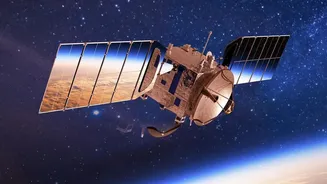
Since July 2024, NASA's twin PREFIRE CubeSats have been meticulously mapping the heat radiating from the Arctic and Antarctic. The mission, short for Polar Radiant Energy in the Far-InfraRed Experiment, measures a type of energy that our eyes can't see
but is critical for understanding Earth's climate. This far-infrared radiation accounts for nearly 60% of the energy our planet loses to space. Before PREFIRE, this specific data was sparse. Now, with two complete seasonal cycles recorded at both poles, scientists have a continuous stream of information showing how, when, and where the polar regions are shedding heat. This isn't just about surface temperature; it's about the total energy budget and how it shifts through the seasons, giving a more complete diagnosis of the poles' health.
Decoding the Two-Year Data
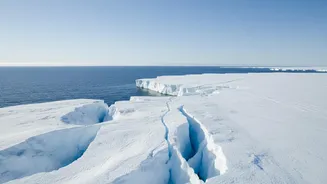
The PREFIRE data doesn't exist in a vacuum. It helps contextualize other troubling observations from the past two years. In March 2026, scientists at NASA and the National Snow and Ice Data Center (NSIDC) announced that the Arctic's winter sea ice maximum was statistically tied with 2025 for the lowest peak ever recorded. This back-to-back record continues a long-term downward trend. This loss of ice is significant; the 2026 peak was about 1.3 million square kilometers below the long-term average, an area roughly twice the size of Texas. Scientists noted that much of the remaining ice is also thinner than in previous years. By precisely measuring the energy leaving the system, PREFIRE helps scientists refine the models that explain why this ice loss is happening and allows them to better predict future changes.
The Poles Aren't a Pair
One of the key insights from recent data is just how differently the two poles are behaving. The Arctic is an ocean surrounded by land, while the Antarctic is a landmass surrounded by ocean. This fundamental difference means they respond differently to warming. The Arctic is warming two to three times faster than the rest of the planet, a phenomenon known as Arctic amplification. In contrast, warming in Antarctica has been more complex and regionally varied. While the continent as a whole is losing massive amounts of ice—around 135 gigatons per year between 2002 and 2025—this is happening primarily in West Antarctica, while parts of East Antarctica have seen modest gains from increased snowfall. The PREFIRE mission's data helps capture these geographical nuances in energy loss, improving our understanding of why they differ.
The Engine of Change: Ice-Albedo Feedback
The connection between the heat record and the ice data hinges on a powerful concept: the ice-albedo feedback loop. Bright, white ice acts like a mirror, reflecting most of the sun's energy back into space. This is a high albedo. But when that ice melts, it exposes the dark ocean surface beneath, which has a low albedo. Instead of reflecting energy, the dark water absorbs it, warming the ocean. This warmer water then melts more ice, which exposes more dark water, which absorbs more heat, and so on. It’s a vicious cycle of warming. The sustained heat being measured by PREFIRE is a measure of the energy within this system, one that is being amplified by the rapid loss of reflective ice. It confirms that as the poles lose their reflective shield, they are trapping more heat, accelerating the very process that's causing the melt.
Why What Happens at the Poles Matters Everywhere
The changes documented over the past two years are not just a remote problem for polar bears. Polar amplification has global consequences. Changes in the Arctic can disrupt the jet stream, leading to more extreme and unpredictable weather events—like heat waves and cold snaps—in North America, Europe, and Asia. Furthermore, the melting of land-based ice sheets in both Greenland and Antarctica is a primary driver of global sea-level rise. Understanding the energy dynamics that drive this melt, which PREFIRE is designed to do, is essential for forecasting how quickly and how high our oceans will rise, directly affecting coastal communities worldwide.