





The Final Hurdle: Trials in the Ghats
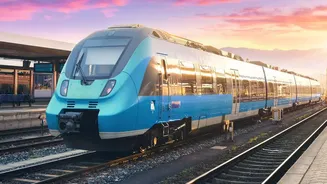
South Western Railway, in collaboration with the Research Designs and Standards Organisation (RDSO), is currently conducting a series of intensive field tests on the most challenging part of the Bengaluru-Mangaluru line. These trials, scheduled from mid-August,
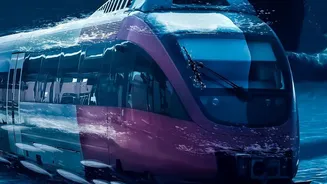
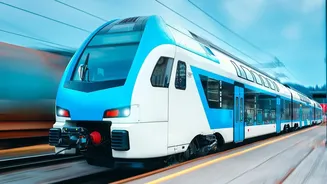
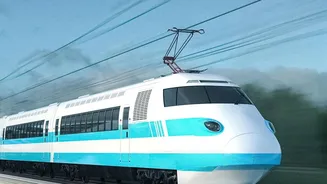
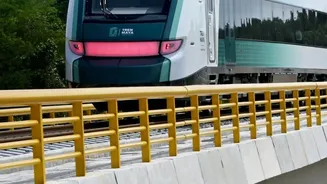
are focused entirely on the 55-kilometre stretch between Sakleshpur and Subrahmanya Road. A specially manufactured Vande Bharat rake, sent from the Integral Coach Factory in Chennai, is being put through its paces to assess its performance, stability, and braking capabilities on this uniquely difficult terrain. Personnel from RDSO are on board to monitor every parameter, ensuring the train can operate safely and efficiently before it gets the green light for passenger service.
An Engineering Marvel and a Major Challenge
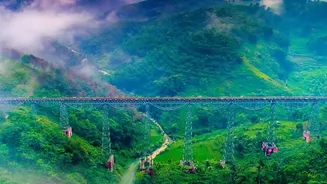
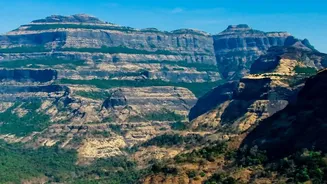
So, why are these tests so critical? The Sakleshpur-Subrahmanya section is renowned as one of the most technically demanding railway segments in India. Winding its way through the dense Western Ghats, the line features an exceptionally steep gradient, often cited as 1 in 50, meaning the track level changes by one metre for every 50 metres of length. As if that weren't enough, this short stretch is packed with 57 tunnels, 226 bridges, and over 100 sharp curves. For conventional trains, navigating this requires the time-consuming process of attaching extra 'banker' locomotives at both ends to push and pull them safely up and down the inclines. This approach is impractical for the sleek, integrated Vande Bharat trainsets.
The Smart Solution: Automatic Emergency Braking
The solution lies in a key piece of technology built into the trial train: an Automatic Emergency Braking (AEB) system. This system is specifically designed for the ghat section. It constantly monitors the train's speed and will automatically apply the brakes if it exceeds the mandated speed limit of 30 kilometres per hour on this tricky stretch. By integrating this safety feature directly into the Vande Bharat rake, Indian Railways can bypass the need for external banker engines. This not only solves a major operational puzzle but also promises to save significant time, making the journey smoother and more efficient for future passengers. The current trials are designed to prove that this bespoke AEB system works flawlessly under real-world conditions.
What This Means for Travelers
The launch of the Vande Bharat service promises a dramatic improvement in connectivity between Karnataka’s IT capital and its primary coastal city. Currently, travel between Bengaluru and Mangaluru by road or existing train services can take anywhere from eight to ten hours. While an official timetable is yet to be released, the Vande Bharat Express is expected to significantly slash this travel time, offering a faster, safer, and more comfortable alternative. The full electrification of the route, completed in December 2025, was the first major step. This new service is poised to be a game-changer for business travelers, tourists, and families alike, boosting economic activity and making the scenic coastal region more accessible.
The Path to Launch
While the successful trial run is a major milestone, a few more steps remain before passengers can book their tickets. Once the trials conclude, the RDSO will compile a detailed report of its findings. This report, along with all the collected data, will be submitted to the Railway Board and the Commissioner of Railway Safety (CRS) for final clearance. These bodies are responsible for giving the ultimate safety certification. The launch was initially anticipated by June 2026 but was deferred due to the non-availability of a Vande Bharat rake equipped with the necessary AEB technology. With the specially designed train now on the tracks for testing, the last major technical hurdle is finally being addressed.