




Instead of Kyoto, Try Kanazawa
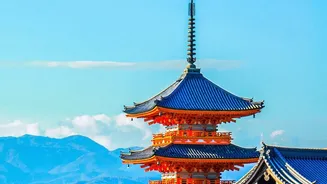
Kyoto, with its thousands of temples and shrines, is often the cultural heart of any trip to Japan. However, its immense popularity means packed streets, especially in areas like Gion and near major temples. For a similar atmosphere with a fraction of the crowds,
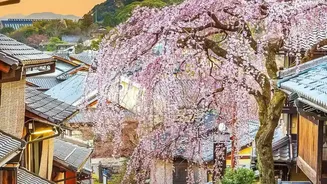
consider Kanazawa. Often called 'Little Kyoto,' Kanazawa boasts beautifully preserved geisha and samurai districts that rival Kyoto's famous streets. The city's crown jewel is Kenrokuen, one of Japan's 'three most beautiful landscape gardens,' offering a peaceful escape. Kanazawa was spared from bombing during World War II, leaving its historical districts remarkably intact. You can wander through the Nagamachi samurai district, explore the bustling Omicho Market, and enjoy the city's rich arts and crafts scene without the shoulder-to-shoulder experience common in Kyoto.
Instead of Arashiyama Bamboo Grove, Visit Hokoku-ji Temple
The Arashiyama Bamboo Grove in Kyoto is an iconic image of Japan, but the reality is often a crowded path filled with tourists vying for the perfect photo. For a more tranquil bamboo experience, take a day trip from Tokyo to Kamakura and visit Hokoku-ji Temple. Nicknamed the 'Bamboo Temple,' Hokoku-ji features a stunning grove of about 2,000 bamboo stalks. A small path winds through the dense greenery, leading to a teahouse where you can enjoy a cup of matcha while gazing into the serene forest. While smaller than Arashiyama, its peaceful ambiance and lack of crowds provide a much more meditative and personal experience, allowing you to truly appreciate the beauty of the bamboo. Another quiet alternative within Kyoto itself is the Adashino Nenbutsu-ji Temple, which has its own beautiful, less-trafficked bamboo path.
Instead of Tokyo's Hustle, Explore Fukuoka
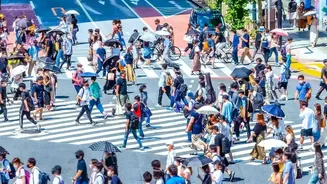
Tokyo is an electrifying metropolis, but its sheer scale and endless energy in places like Shibuya and Shinjuku can be draining. For a city experience that combines modern urban life with a more laid-back vibe, head to Fukuoka on the island of Kyushu. Fukuoka is a dynamic, modern city known for its incredible food scene, beautiful parks, and friendly locals. Its compact size makes it easily navigable on foot or by its efficient subway. The city's main draw is its famous 'yatai' (open-air food stalls) that line the river every evening, offering delicious and affordable local specialities in a convivial atmosphere. With its nearby beaches, historic temples, and thriving shopping districts, Fukuoka offers the excitement of a major Japanese city at a much more manageable and relaxed pace.
Instead of Hakone, Discover the Izu Peninsula
Hakone is the go-to destination from Tokyo for onsen (hot springs) and views of Mount Fuji. This popularity means it can be expensive and crowded, particularly during peak seasons. Just south of Hakone lies the Izu Peninsula, a larger and less-developed region offering stunning coastlines, charming fishing villages, and abundant hot springs. The peninsula's rugged Jogasaki Coast offers dramatic hiking trails with breathtaking ocean views, while towns like Shuzenji boast their own historic onsen and a quaint bamboo forest path. While direct views of Mount Fuji are less common, the region's natural beauty, fresh seafood, and peaceful atmosphere more than compensate, providing a refreshing coastal and mountain retreat away from the main tourist trail.
Instead of Another City, Immerse Yourself in Nature on Yakushima Island
For travelers who have seen the main cities and are craving a deep dive into Japan's natural world, Yakushima Island is an unforgettable alternative. This subtropical island, a designated UNESCO World Heritage site, feels a world away from the urban sprawl. It's a hiker's paradise, famous for its ancient cedar forests, some with trees thousands of years old. The moss-covered forests of Shiratani Unsuikyo ravine are said to have inspired the film 'Princess Mononoke'. The island also features towering waterfalls, coastal hot springs, and nesting grounds for sea turtles. Getting to Yakushima requires a flight or ferry from Kagoshima, but the journey is rewarded with a powerful sense of tranquility and a connection to a wilder, more primeval side of Japan.