


The Great Indian Carbohydrate Story
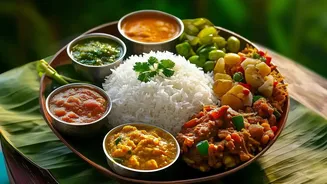
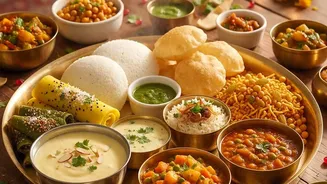
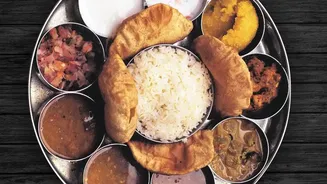
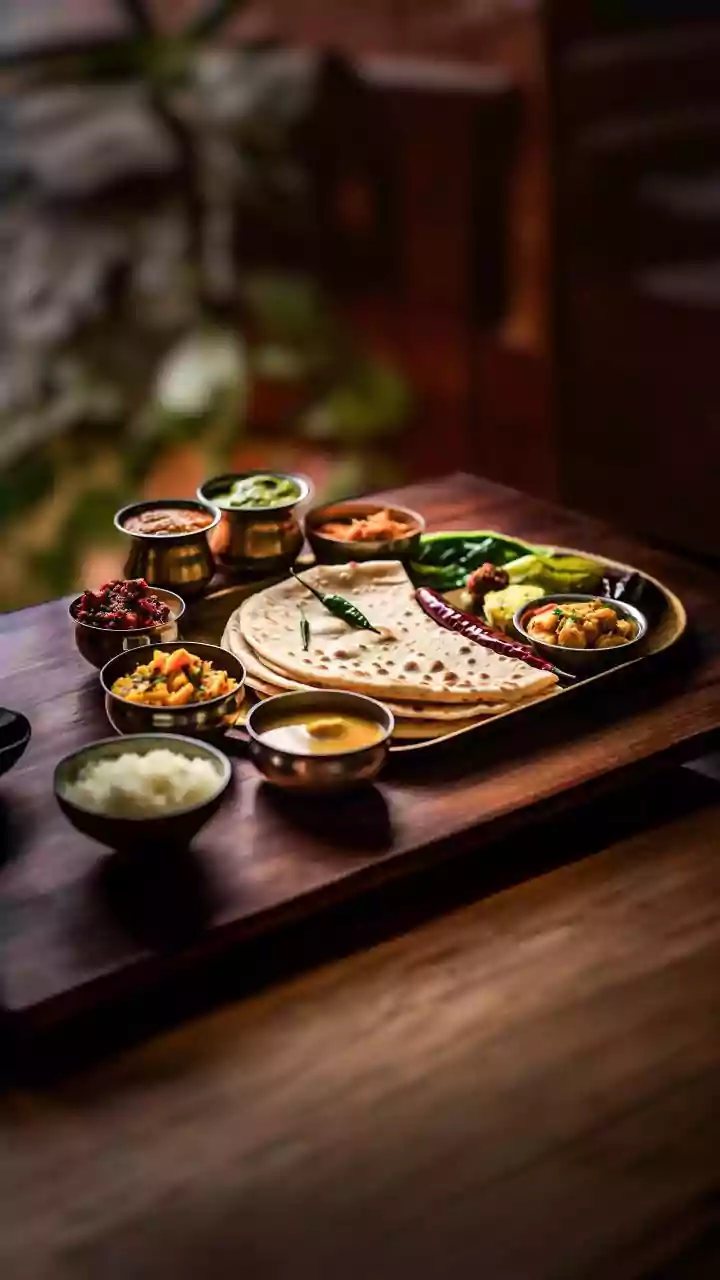
For many, a typical Indian vegetarian meal is a comforting platter of carbohydrates. Think soft rotis, steaming white rice, and potato-based sabzis. While delicious and central to our cuisine, this heavy reliance on refined grains can create a metabolic
challenge. Foods like polished white rice and maida (refined flour) have a high glycemic index, meaning they are converted into sugar quickly, causing sharp spikes in blood glucose levels. Over time, a diet dominated by these high-GI foods can lead to insulin resistance, where the body’s cells stop responding effectively to insulin, paving the way for prediabetes and type 2 diabetes. It’s a paradox: a diet free of meat can still be overloaded with the very nutrients that heighten diabetes risk.
Fibre: The Forgotten Nutrient on Your Thali
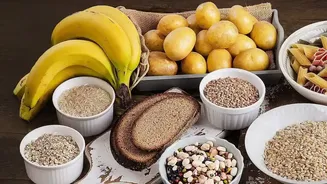
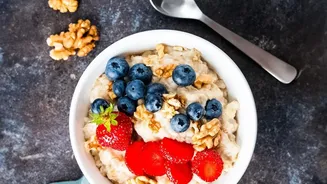
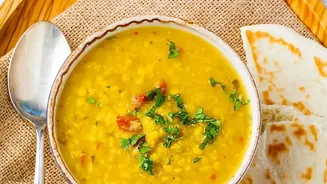
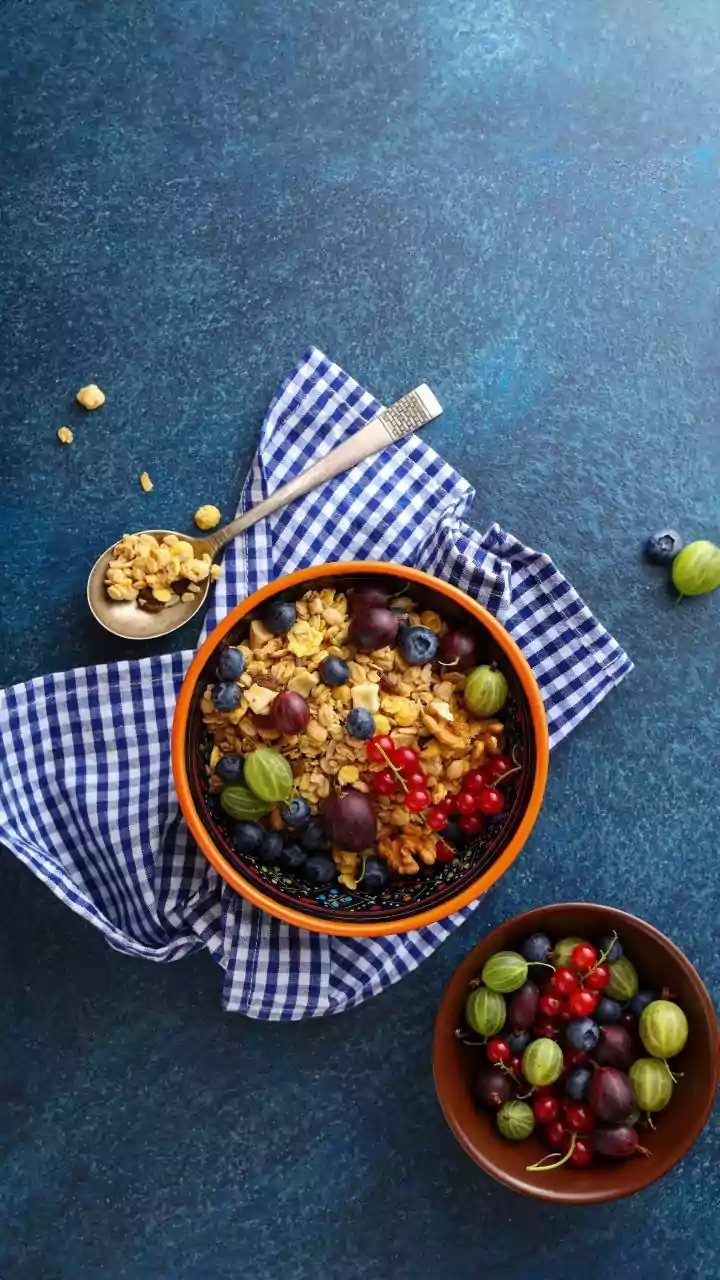
This is where dietary fibre comes in as the unsung hero. Fibre is a type of carbohydrate the body can't digest. Instead of breaking down into sugar, it performs critical functions. There are two types: soluble and insoluble. Soluble fibre, found in oats, dals, beans, and apples, dissolves in water to form a gel-like substance in your gut. This gel slows down digestion, which in turn slows the absorption of sugar into the bloodstream, preventing those dangerous post-meal spikes. Insoluble fibre, present in whole grains and vegetables, adds bulk to stool, promoting digestive regularity. Both are crucial for health. Unfortunately, the average fibre intake in India is often only 10-15 grams a day, far short of the 25-40 grams recommended by the Indian Council of Medical Research (ICMR).
Rebalancing Your Plate for Better Health
Managing diabetes risk isn't about declaring war on carbohydrates; it’s about smart selection and balance. The goal is to shift the proportions on your thali. Instead of filling half your plate with rice or roti, aim to fill it with vegetables and protein-rich dals. A practical approach is the 'quarter plate' method: half your plate with non-starchy vegetables (like spinach, bhindi, or cabbage), one quarter with a protein source (like dal, chana, or paneer), and the final quarter with complex carbohydrates (like millets or whole wheat roti). This simple visual guide ensures you get a healthy dose of fibre, protein, and micronutrients to buffer the impact of the carbohydrates, leading to a more gradual release of energy.
Simple Swaps to Boost Your Fibre Intake
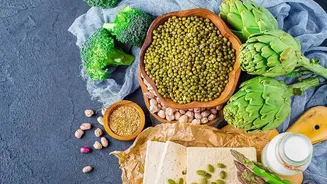
Increasing your daily fibre doesn't require a radical diet overhaul. It can be achieved with simple, sustainable swaps. Start by replacing polished white rice with brown rice, or even better, with millets like jowar, bajra, and ragi, which are packed with fibre. A jowar roti contains nearly double the fibre of a ragi roti. Choose whole wheat or multigrain atta over maida for your rotis. Two bajra rotis provide about 8 grams of fibre, compared to 5.2 grams from two whole wheat rotis. Make pulses and legumes the star of your meals; rajma and chole are fibre powerhouses, with a single katori (cup) providing 7-8 grams. Finally, eat your fruits whole instead of juicing them, and include at least two servings of vegetables with every main meal.
Beyond the Main Meal: Watch Out for Snacks
The focus on fibre should extend to your snacking habits as well. Many popular packaged vegetarian snacks are made from refined flour and are high in sugar, salt, and unhealthy fats, offering little nutritional value. Instead of reaching for biscuits or fried snacks, opt for high-fibre alternatives. A handful of roasted chana, a bowl of sprouts, or a piece of fruit like guava (one of the highest-fibre fruits) can keep you full and your blood sugar stable between meals. Even traditional preparations like vegetable daliya or oats upma can serve as excellent, fibre-rich mini-meals. By making mindful choices throughout the day, you can easily meet your fibre goals and take a significant step towards better metabolic health.