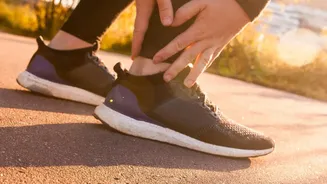








The Walker's Dilemma
Walking is frequently recommended for people with diabetes. It helps manage blood sugar levels, improves circulation, and supports overall cardiovascular health. Yet, a cruel irony of the condition is that it can also make your feet uniquely vulnerable.
Prolonged high blood sugar can lead to two major issues that directly impact your feet and how you walk: nerve damage (diabetic neuropathy) and poor circulation (peripheral artery disease). This doesn't mean you should stop walking. In fact, staying active is crucial. It simply means that for your own safety, your approach to this simple exercise may need to evolve.
Understanding the Core Issues
Diabetic neuropathy is the primary culprit behind many walking-related problems. When the nerves in your feet are damaged, your ability to feel pain, temperature, or pressure is reduced. You might not notice a small stone in your shoe or a blister forming until it has become a serious wound. This loss of sensation can also affect your balance and the way you walk, known as your gait, increasing the risk of stumbles and falls. In some cases, it can cause muscle weakness leading to conditions like 'foot drop,' where it becomes difficult to lift the front part of your foot. Compounding this is poor circulation, which makes it harder for any sores or injuries on your feet to heal, raising the risk of infections and severe complications.
Warning Signs You Must Not Ignore
A proactive approach begins with awareness. Being vigilant about changes in your feet is non-negotiable. You should get into the habit of checking your feet every single day for any cuts, blisters, redness, swelling, or problems with your nails. Pay attention to new sensations like numbness, tingling, or burning pain. Also, be mindful of changes in how you walk. Are you shuffling more? Do you feel unsteady? Do you find yourself watching the ground constantly to maintain balance? These are not minor issues to be dismissed; they are signals from your body that your walking routine and foot care need immediate attention.
A Safer Way to Walk
Adapting your walking habits can significantly reduce your risk of injury. If you have significant nerve damage, experts often recommend shifting away from high-impact or repetitive weight-bearing exercises like long-distance running. For walking, start slowly and choose safe, even surfaces. Avoid walking barefoot, even at home, to prevent unseen injuries. Focus on your form: try not to shuffle, and when turning, take several small steps instead of pivoting sharply on one foot. If you feel unsteady, consider using a walking aid or practicing balance exercises in a safe environment, like standing near a kitchen counter for support. The goal is to build a routine that feels both safe and sustainable.
The Crucial Role of Proper Footwear
Your shoes are your first line of defence. For people with diabetes, choosing the right footwear is a health decision, not a fashion one. Look for shoes that offer good cushioning and support, with a snug fit that doesn't pinch or squeeze. There should be about half an inch of space between your longest toe and the end of the shoe. The interior should be smooth and seamless to prevent rubbing that can cause blisters. Materials should be breathable, like leather or mesh, to keep your feet dry. When trying on new shoes, do it in the afternoon when your feet are naturally a bit more swollen, and wear the type of socks you would normally use. Seamless, moisture-wicking socks are an excellent choice to further reduce irritation and keep feet dry.