





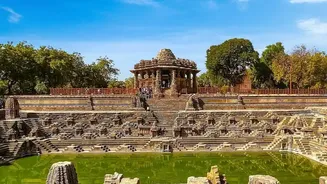

Your Destination: Sirpur, A Lost City
Once a bustling capital of the Panduvamshi and Somavamshi kings between the 5th and 12th centuries, Sirpur (or 'Shripur') was a major cultural and religious hub. Located on the serene banks of the Mahanadi River, this archaeological treasure trove reveals
a fascinating past where Hindu, Buddhist, and Jain traditions coexisted peacefully. Recent excavations have uncovered a wealth of temples, monasteries, and even a sprawling ancient market, painting a vivid picture of a sophisticated urban center that was lost for centuries. Today, the site is being prepared for a potential UNESCO World Heritage nomination, signalling its global significance.
Getting There From Raipur
Sirpur is conveniently located approximately 80-85 kilometres from Raipur, making it an ideal destination for a day trip or a weekend escape. The journey by road is the most practical option. Hiring a taxi or a private car from Raipur offers the most flexibility and takes around one and a half to two hours via well-maintained highways. Regular buses also operate between Raipur and Sirpur, providing a more economical choice. For those preferring rail, the nearest major station is Raipur, with Mahasamund being a smaller station closer to the site. From Mahasamund, you would need to take a taxi for the remaining 35-40 km journey.
The Crown Jewel: Laxman Temple
The most iconic monument in Sirpur is the 7th-century Laxman Temple, dedicated to Lord Vishnu. It is celebrated as one of India's finest and best-preserved brick temples from that era. Commissioned by Queen Vasata in memory of her husband, King Harshagupta, the temple stands on a high stone platform. What makes it truly remarkable are the intricate carvings on its stone doorframe and brickwork, which have withstood the test of time. The entrance displays detailed figures of Sheshnaag and various incarnations of Vishnu, showcasing the incredible artistry of the Somavanshi dynasty. An Archaeological Survey of India (ASI) museum on the premises houses other rare relics found during excavations.
Exploring the Viharas and Other Ruins
Sirpur's history is not just Hindu; it was a significant centre for Buddhism. Excavations have revealed numerous Buddhist monasteries, or viharas, with some believed to be older and larger than those at Nalanda. Key sites to explore include the Teevardev and Anand Prabhu Kuti Viharas, where monolithic statues of the Buddha and intricate carvings tell stories of a flourishing monastic life. Another unmissable structure is the Surang Tila, a unique temple complex with a grand staircase leading up to a large terrace. This recently excavated site consists of several Shiva shrines and offers a dramatic glimpse into the region's architectural diversity.
Tips for a Perfect Trip
To make the most of your archaeological adventure, timing is key. The best period to visit Sirpur is during the cooler, pleasant months from October to March. Summers can be extremely hot, making exploration uncomfortable. If your visit aligns with January, you might catch the vibrant Sirpur National Dance and Music Festival, which celebrates the area's rich heritage. Wear comfortable walking shoes, as you'll be covering a lot of ground. It's also wise to carry water and sunscreen. For a more comprehensive experience, consider extending your trip to the nearby Barnawapara Wildlife Sanctuary, which offers a mix of nature and adventure.