


What Happened on Flight AI2379?
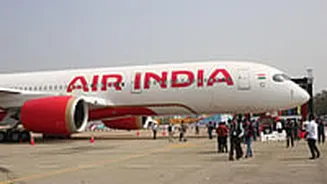
On August 4, 2026, Air India flight AI2379 was cruising from Phuket to Delhi when it encountered a patch of severe turbulence. Passengers reported a sudden, violent event where the Airbus A320neo aircraft shook intensely and seemed to fall from the sky.
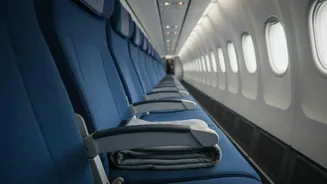
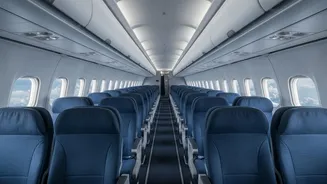
Those who were not wearing their seatbelts were thrown from their seats, with some hitting the ceiling of the cabin. The incident, which lasted for several terrifying minutes, left a total of 17 people, including passengers and crew, with injuries requiring hospitalisation. The aircraft landed safely at Delhi's Indira Gandhi International Airport, where it was met by emergency medical teams. Passenger accounts describe a scene of panic and chaos, with one traveller telling reporters, “We thought we would die.”
Just a 300-Foot 'Drop'?
Aviation authorities confirmed the aircraft experienced a sudden altitude loss of approximately 300 feet. To a passenger, this can feel like a catastrophic freefall. But in aviation terms, it is a relatively small deviation. An aircraft cruising at 36,000 feet, as this one was, operates in a vast expanse of sky. A 300-foot change is less than 1% of its total altitude. Pilots and aviation experts refer to these events not as 'drops' but as altitude deviations or excursions caused by powerful air currents. Modern aircraft are engineered to withstand forces far greater than those experienced during even severe turbulence. The plane is not falling out of the sky; it is simply riding a very rough patch of air, much like a car hitting a deep pothole on a highway.
The Invisible Threat: Clear-Air Turbulence
The incident on flight AI2379 is being investigated as a possible encounter with Clear-Air Turbulence (CAT). This is one of the most challenging phenomena for pilots because, as the name suggests, it occurs in cloudless, clear skies. Unlike turbulence associated with thunderstorms, CAT is invisible to the naked eye and cannot be detected by conventional onboard weather radar. It is caused by wind shear, where two adjacent masses of air are moving at different speeds, often near the jet stream. This creates chaotic eddies and currents that can buffet an aircraft with little to no warning, which is why the seatbelt sign may not have been illuminated before the incident began.
Why It Felt So Much Worse
The human body is extremely sensitive to changes in acceleration, which explains the disconnect between the technical data and the passenger experience. The feeling of falling is caused by negative G-forces, which create a sensation of weightlessness. When an aircraft is hit by a powerful downdraft, everything inside that is not secured—including people—can be lifted from the floor. This sudden, uncontrolled movement, combined with violent shaking and the loud roar of the wind, triggers a profound fear response. Passengers have no control and a limited understanding of the aircraft's stability, making the perceived danger feel immense. The experience is more a reflection of our psychology and physiology than the actual danger to the aircraft itself.
Investigation and the Importance of Seatbelts
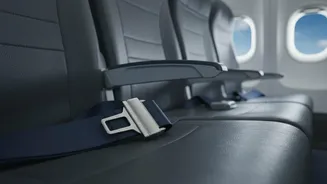
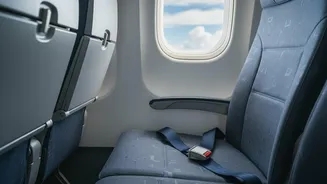
India's Directorate General of Civil Aviation (DGCA) has launched a thorough investigation into the incident. The aircraft's flight data recorder and cockpit voice recorder have been secured for analysis to determine the precise cause. While some reports mention a suspected technical fault could also be a factor, such incidents serve as a critical reminder of air safety protocols. Aviation experts and crew members consistently stress one point: injuries from turbulence are almost always preventable. The vast majority of those hurt in these events are passengers and crew who are not wearing their seatbelts. This incident underscores the vital importance of keeping your seatbelt fastened whenever you are seated, even when the sign is off.