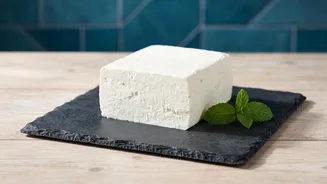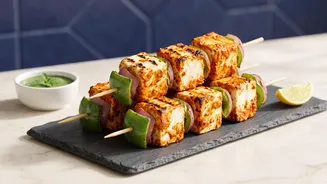





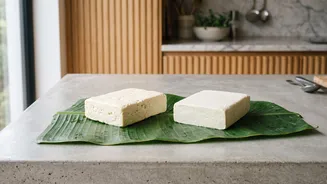
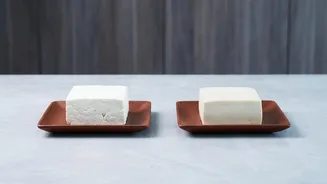
What is Analogue Paneer?
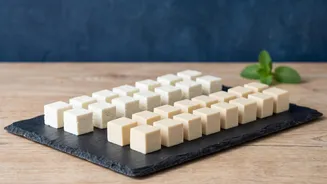
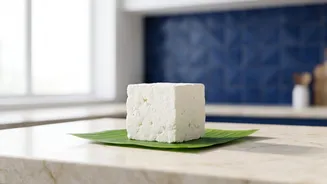
Before diving into the regulations, it’s important to understand what 'analogue paneer' is. Unlike traditional paneer, which is made by curdling milk, analogue versions are created using other ingredients. These products are designed to mimic the texture
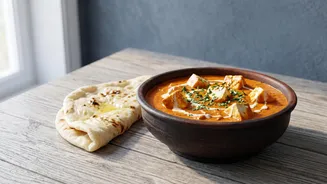
and appearance of real paneer but are often made from a combination of vegetable oil (like palm oil), starch, plant proteins, and various emulsifiers and additives. This is not the same as adulterated paneer, which involves secretly adding non-dairy elements to real paneer. Analogue products are a recognised food category, but the issue arises when they are sold or served to customers simply as 'paneer' without any disclosure.
The FSSAI's Proposed Change
The Food Safety and Standards Authority of India (FSSAI) has put forward a draft amendment to its regulations that would restrict the use of the term 'paneer' for any product not derived from milk. The proposal, formally called the Food Safety and Standards (Prohibition and Restrictions on Sales) Amendment Regulations, 2026, would require any business making or selling these analogue products to stop using the word 'paneer' on their labels, menus, or marketing materials. This rule would apply to products already licensed under the 'Analogue in Dairy Context' category. The core aim is to prevent consumers from being misled about the product's actual composition and to ensure labels are accurate.
Why is This Happening Now?
This proposed national regulation comes after several states have already taken action. States like Maharashtra, Karnataka, Gujarat, and Telangana have imposed their own restrictions or bans on the sale of analogue paneer, citing concerns over consumer deception and food safety. The FSSAI's move aims to create a clear, nationwide standard. The timing also reflects the booming market for plant-based and vegan foods in India. As more alternatives appear, regulators are stepping in to ensure that traditional food terminologies are protected and that consumers can make informed choices, a move similar to the standardisation of the official 'vegan' logo.
The Two Sides of the Debate
The dairy industry and food safety advocates support the move, arguing that using the term 'paneer' for non-milk products is misleading. They point out significant nutritional differences, as authentic paneer is a key source of milk protein and calcium, whereas analogue versions can be high in unhealthy fats and have lower protein content. On the other side, manufacturers of plant-based alternatives argue that terms like 'soya paneer' or 'vegan paneer' help consumers understand how to use the product. They see this as a necessary vocabulary for an innovative and growing food sector that caters to vegans, people with lactose intolerance, and those seeking sustainable options. The debate is a classic clash between protecting traditional food heritage and embracing modern food innovation.
What This Means for You
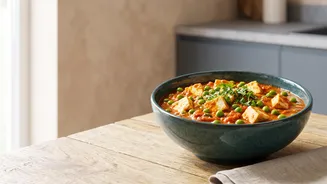
If the proposal is finalised, you can expect to see changes in both supermarkets and restaurants. The block of 'tofu paneer' might simply be labelled 'tofu,' and a dish on a menu might be described as 'vegetable protein cubes in palak gravy' instead of 'palak paneer'. The goal is clarity. Food businesses will have to be more specific in their descriptions, allowing you to know instantly whether you are eating a dairy-based product or a plant-based substitute. For now, the regulation is still a draft. The FSSAI has invited suggestions and objections from the public and stakeholders for a 60-day period before making a final decision.