
Why Grow From Cuttings?
Propagating plants from cuttings is an incredibly cost-effective way to expand your garden. Instead of buying new plants, you can simply multiply the ones you already love. This method creates an exact genetic clone of the parent plant, ensuring that
the special characteristics you admire—like a specific flower colour or unique leaf pattern—are perfectly preserved. This isn't always the case with plants grown from seed, which can have variations from the parent. Furthermore, plants grown from cuttings often mature much faster than those started from seed, meaning you'll get to enjoy flowers and lush foliage sooner.
Your Propagation Toolkit
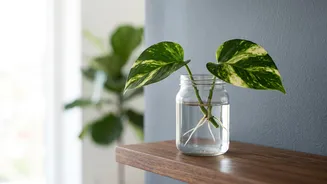
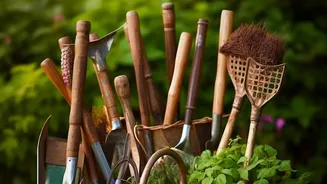
You don’t need a lot of fancy equipment to get started. The most important tool is a clean, sharp pair of scissors, pruning shears, or a knife. A dull blade can crush the plant's stem, making it difficult for it to absorb water and grow new roots. Next, you'll need a container for your cutting. This can be a simple glass of water or a small pot with drainage holes. For the rooting medium, you can use several materials. While some plants root easily in water, a soil-less potting mix often encourages a stronger root system. A common DIY mix includes equal parts perlite, vermiculite, and cocopeat or peat moss. Finally, while not always necessary, a rooting hormone can significantly speed up the process and increase your success rate.
The Step-by-Step Guide to Taking a Cutting
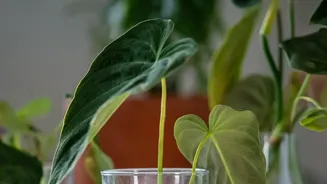
First, select a healthy, disease-free plant. It’s best to take cuttings from stems that are actively growing but not flowering. Using your sterile tool, take a cutting that is about 4-6 inches long. Make your cut just below a node—the small bump on the stem where a leaf grows from. This area contains the cells needed to produce new roots. Once you have your cutting, carefully remove the lower leaves, leaving only a few at the top. Submerging leaves can cause them to rot. If using rooting hormone, dip the cut end into the powder or gel. Finally, place your cutting into its new home. If using water, ensure only the node and bare stem are submerged. If using a potting mix, make a small hole with a pencil, insert the cutting, and gently firm the mix around it.
Aftercare: Creating the Right Environment
Your new cutting needs the right conditions to thrive. Place it in a spot that receives plenty of bright, indirect light. Direct sunlight can be too intense and scorch the delicate cutting. The key to success is maintaining moisture without overdoing it. The soil should be consistently damp but not waterlogged, as too much water can cause rot. To create a humid environment, which helps prevent the cutting from drying out, you can cover the pot with a clear plastic bag or use a propagator lid. Be patient, as rooting can take anywhere from a few weeks to a few months. Avoid the temptation to pull on the cutting to check for roots, as this can disturb their delicate growth.
Easy-to-Propagate Plants for Indian Homes
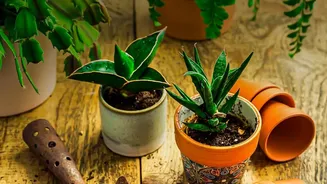
Some plants are much easier for beginners to propagate than others. In India, many common houseplants are perfect for your first attempt. Money Plant (Epipremnum aureum), with its trailing vines, roots incredibly well in just a glass of water. Hibiscus, especially during the monsoon season, can be propagated from softwood cuttings. Other great options include the vibrant Coleus, various Philodendron species, Syngonium (Arrowhead Plant), and the hardy Snake Plant (Dracaena trifasciata). These resilient plants are forgiving and their quick success can build your confidence for more challenging propagations.