




A Return to Wild Flavours
For generations, indigenous and rural communities across India have relied on the forest's bounty. This is not about a new trend, but a reconnection with ancient food wisdom. Chefs and home cooks are now looking past cultivated produce to explore the unique
tastes of ingredients that grow wild. This shift is driven by a desire for authentic flavours, sustainability, and a deeper connection to the land. Foraging brings ingredients to the table that are intrinsically tied to a specific season and place, offering a taste of the terroir that cannot be replicated. It's a move away from a globalised food system towards one that celebrates hyper-local, seasonal variety. Many of these wild edible plants are neither domesticated nor commercially grown, but have been foraged for centuries, providing nutrition and diversifying diets.
India's Foraged Delicacies
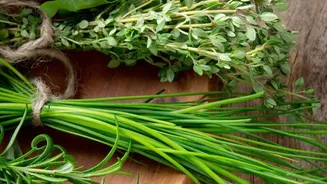
The sheer diversity of India's landscape means its wild pantry is incredibly rich. During the monsoons, the forests of the Western Ghats and the Himalayas come alive. In states like Himachal and Uttarakhand, the tightly coiled heads of the lingdu, or fiddlehead fern, are a prized delicacy, often stir-fried simply to retain their crisp texture. Coastal Maharashtra offers the large, beautiful leaves of the wild alu (colocasia), which become the star of the savoury snack aluwadi. Further inland, communities forage for ingredients like the pungent Dragon Stalk Yam (shevla) and a grassy green so rare it has no common English name, phodshi. In Ladakh, chefs seek out skotse, a wild garlic-like herb, and kosnyot, a wild caraway, to flavour traditional dishes. Even flowers like mahua are finding their way into modern kitchens, used for everything from traditional sweets to innovative ferments.
Chefs Championing the Forest
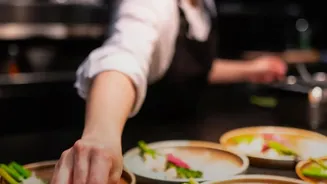
A new generation of Indian chefs is leading the charge, putting these forgotten ingredients in the spotlight. Vanika Choudhary of Mumbai's Noon has built her culinary philosophy around foraged and preserved ingredients, celebrating everything from Kashmiri morels to Ladakhi herbs. Similarly, Prateek Sadhu's restaurant NAAR in the Himalayas is a tribute to the region's wild foods, featuring ingredients like sea buckthorn and dandelion. These chefs often work directly with tribal communities and local foragers, who possess generations of knowledge about these plants. For instance, chefs have travelled to the Western Ghats to learn from communities about how to sustainably harvest and cook with ingredients like dragon stalk yam and sea purslane. This collaboration not only brings new flavours to urban diners but also provides a vital livelihood for these communities.
The Forager's Responsibility
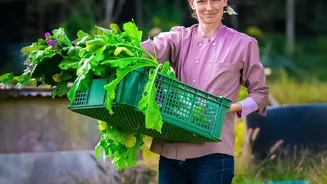
While the idea of gathering your own food is romantic, it comes with significant responsibility. The first rule of foraging is safety: never eat a plant unless you are 100 percent certain of its identity. Many edible plants have poisonous look-alikes, and correct identification is crucial. Sustainability is equally important. Foraging should never deplete a resource. The golden rule is to take only a small portion, leaving plenty behind for wildlife and for the plant to regenerate. This ensures that the practice can continue for generations to come. The urban foraging movement also highlights the need to protect and redesign urban green spaces, recognising them not just as parks but as potential sources of food and cultural connection. The rise of foraging is a reminder that food is about more than just sustenance; it’s about community, culture, and our connection to the natural world.