



Beyond the Farm
The farm-to-table philosophy, which focuses on sourcing ingredients directly from local farms, has dominated the culinary world for over a decade. But now, chefs are pushing the boundaries of local sourcing even further, embracing a 'forest-to-table'
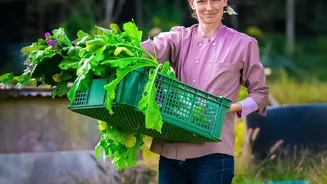
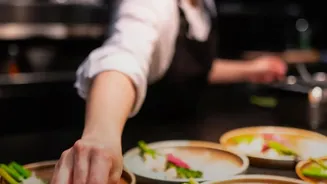
or hyper-local approach. This trend involves foraging for ingredients in the wild — hunting for mushrooms instead of growing them, picking herbs from hillsides, and gathering seasonal shoots and flowers directly from nature. The goal is to capture the essence of a specific landscape on a plate, creating a dining experience that is deeply connected to its surroundings. This shift is becoming increasingly visible in fine dining, where chefs are transforming wild, seasonal produce into thoughtfully crafted dishes.
A Taste of the Wild
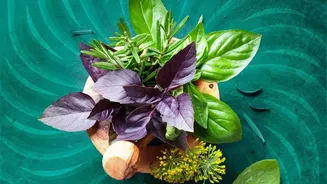
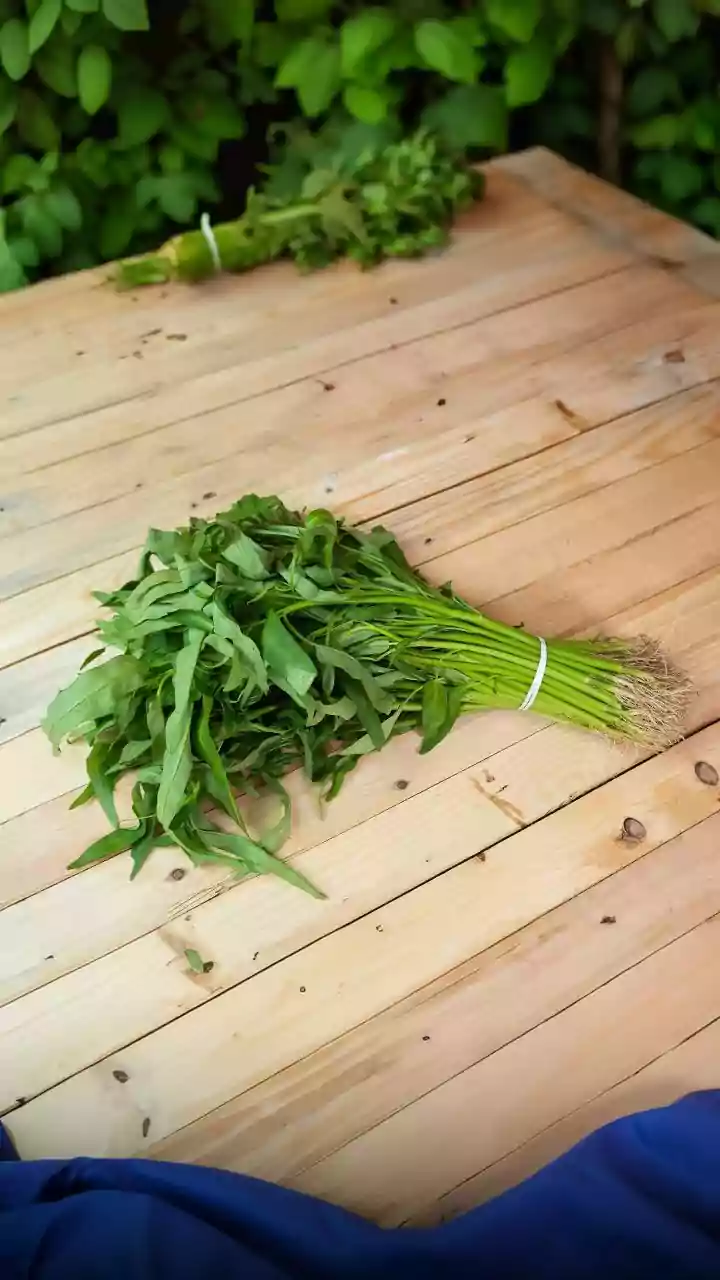
So, what exactly are these forest ingredients? The list is as diverse as the wilderness itself. It includes everything from wild mushrooms and berries to edible flowers, ferns, and even tree needles. Think of the earthy notes of foraged mushrooms, the sharp zest of wild sorrel, or the sweet, floral hint of elderflower. These ingredients offer a palette of flavours that can't be replicated by cultivated produce. Chefs are using items like bamboo shoots, wild greens, and even mahua flowers, which were traditionally gathered by Adivasi communities, to add a unique character to their dishes. The appeal lies in their distinct taste profiles and the story of their origin, bringing a sense of adventure and authenticity to the menu.
The Indian Connection
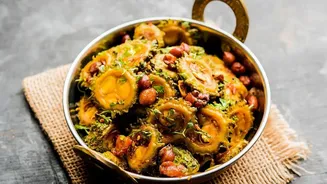
In India, foraging isn't a new trend but a timeless practice. For generations, communities across the country have relied on food from local forests, hills, and fields. What’s new is the celebration of these ingredients in modern, urban restaurants. Chefs like Vanika Choudhary of Mumbai's Noon and Radhika Khandelwal of Fig & Maple in Delhi are at the forefront of this movement. They work with local communities and foragers to source ingredients like Himalayan salt, Ladakhi tamyung, Goan karande (air potato), and wild greens from Maharashtra. This not only introduces diners to lesser-known Indian flavours but also helps preserve traditional food knowledge that is at risk of being lost. From seaweed in a pani puri to wild mushrooms in a risotto, these chefs are weaving India’s wild bounty into contemporary cuisine.
More Than Just Flavour
The move towards forest ingredients is driven by more than just culinary curiosity. It's deeply connected to sustainability and a desire for transparency. Foraging, when done responsibly, promotes biodiversity and reduces the environmental footprint associated with industrial agriculture. It encourages chefs and diners to think about where their food comes from and to appreciate the seasonality of nature. However, this practice comes with a significant responsibility. Chefs and foragers must have expert knowledge to distinguish edible plants from toxic ones and must harvest sustainably to avoid depleting natural resources. The movement also emphasizes giving credit and support to the indigenous and local communities who have been the traditional custodians of this knowledge.
The Future of Dining
The forest-to-table trend represents a deeper, more meaningful connection to our food. It challenges the conventional supply chain and pushes the boundaries of creativity in the kitchen. For diners, it offers a chance to experience unique flavours and a genuine taste of a region's terroir. As more people become interested in the provenance of their food, this movement is likely to grow, influencing not just fine dining but also home cooking. It's a reminder that sometimes the most exciting ingredients aren't found in a market, but are waiting to be discovered in the wild, offering a truly fresh perspective on what it means to eat well.