






A Leap on the Global Stage
In a testament to its enduring legacy and impeccable service, the Taj Mahal Palace in Mumbai has been recognised as the 30th best hotel in the world. This marks a significant jump from its 38th position last year, solidifying its place as a global leader
in luxury hospitality. The announcement, made at a grand ceremony in Paris, places the Indian icon among an elite group of properties celebrated for their excellence. The World's 50 Best list, voted on by over 800 industry experts, is a highly anticipated annual ranking that sets trends and celebrates the pinnacle of hotel experiences worldwide. For the Taj, a landmark that has stood watch over the Gateway of India since 1903, this is another chapter in a storied history.
More Than a Hotel, A Mumbai Icon
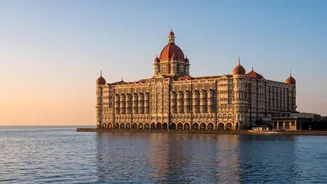
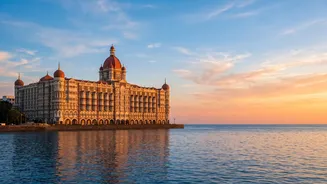
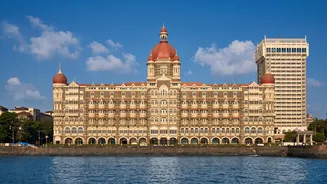
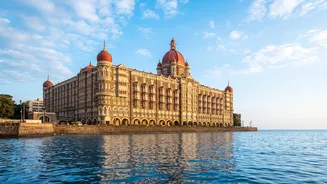
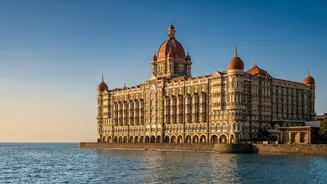
What makes this recognition special is that the Taj Mahal Palace is more than just a hotel; it is woven into the fabric of Mumbai itself. Founded by Jamsetji Tata, it was a pioneering establishment from its inception, being the first in India to have electricity, German elevators, and Turkish baths. It predates the neighbouring Gateway of India by over two decades. The hotel’s architecture is a stunning blend of Moorish, Oriental, and Florentine styles, and it was the first building in the country to receive an image trademark for its iconic design. Over the century, it has hosted royalty, dignitaries, and freedom fighters, becoming a symbol of Indian resilience and hospitality. Its ten restaurants, historic art gallery, and unparalleled views of the Arabian Sea make it a destination in its own right.
The Important Question Still Open
While the nation celebrates the Taj's ascent, its singular presence in the top 50 raises a crucial question for India's hospitality industry: Why is the Taj Mahal Palace the only Indian hotel to make the cut? India, with its rich history of palace hotels, world-class service standards, and diverse luxury offerings, has a formidable hospitality landscape. Other properties, like The Johri in Jaipur and The Oberoi Udaivilas in Udaipur, did feature on the extended 51-100 list, showing that the quality is recognised. Yet, breaking into the highly competitive top 50 remains a challenge. The list is dominated by properties in Asia and Europe, with cities like Paris and Bangkok boasting multiple entries. This suggests a potential gap in perception, marketing, or perhaps in aligning with the specific criteria valued by the global voting academy.
A Beacon for Indian Luxury
The success of the Taj Mahal Palace should not just be seen as a solitary victory but as a beacon. It proves that Indian hotels have the heritage, quality, and service to compete with and be counted among the world's absolute best. The hotel’s consistent recognition could light the way for others, encouraging a focused effort on gaining similar global acclaim. The criteria for these awards often go beyond just luxury, encompassing unique design, memorable guest experiences, and a strong sense of place—all areas where Indian hotels traditionally excel. The challenge now is to translate that inherent strength into a compelling narrative that resonates with the international voters who shape these lists, turning individual accolades into a broader celebration of India's unmatched hospitality.