




The Heart of the Matter: Perfect Hung Curd
The journey to a perfect Dahi Kebab begins and ends with the quality of your hung curd. This is non-negotiable. Hung curd, or 'chakka dahi', is simply regular curd that has been strained of all its excess water, or whey. This process transforms watery
yogurt into a thick, creamy, cheese-like substance that forms the base of your kebab. To make it, place fresh, full-fat curd in a muslin or cheesecloth set over a strainer and a deep bowl. Bring the edges of the cloth together, give it a gentle squeeze, and then let it hang or sit with a weight on top in the refrigerator for at least 5 to 6 hours, though overnight is ideal. The goal is to remove every last drop of whey; any remaining liquid is a potential enemy that will make your kebabs difficult to shape and prone to breaking apart in the pan.
Binding Agents: Your Structural Support
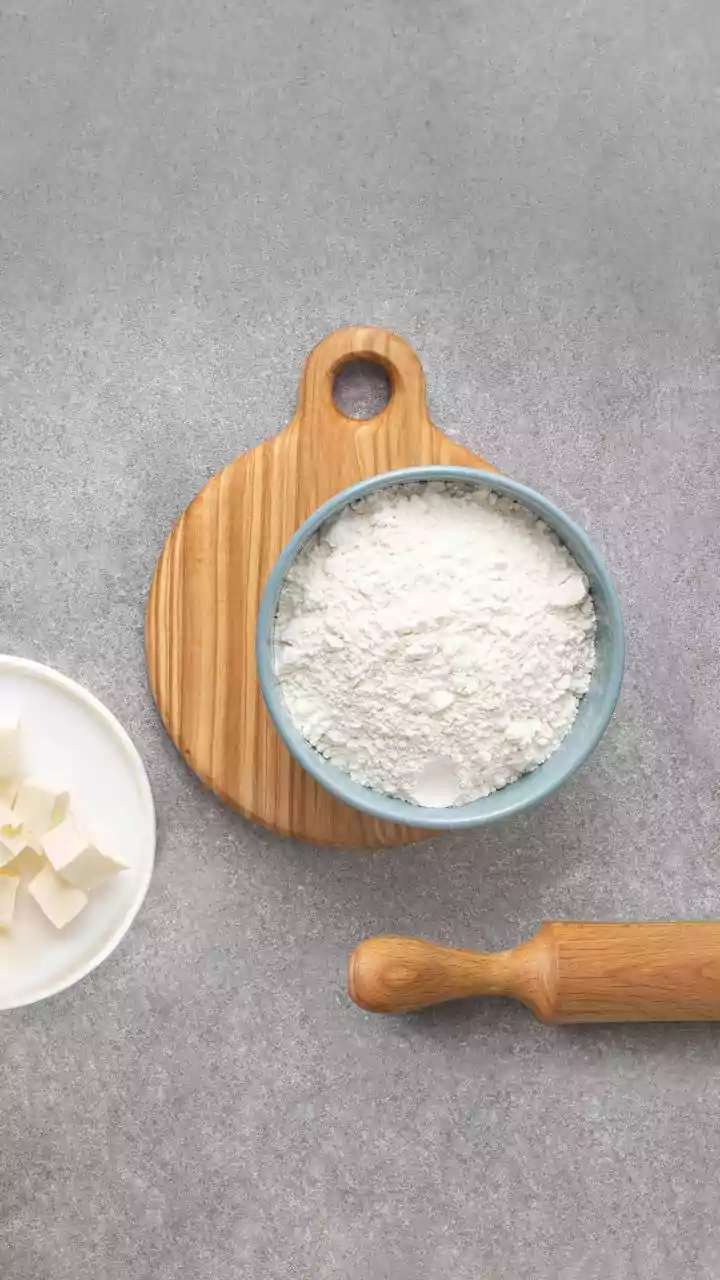
Even with perfect hung curd, a little help is needed to ensure the kebabs hold their shape. This is where binding agents come in. The most traditional and effective binder is roasted gram flour, or besan. Roasting the besan on a low flame until it's fragrant is a crucial step; it removes the raw taste and enhances its nutty flavour. Besan has natural absorbent properties that soak up any sneaky residual moisture. Other excellent binders include crumbled paneer, which not only binds but also adds to the creamy texture, and breadcrumbs. Some recipes also call for powdered oats as a healthy alternative. The key is to add just enough binder to make the mixture pliable but not so much that you lose the delicate, creamy taste of the curd. If the mixture feels too sticky, a little more binder can be added, but do so sparingly. A good practice is to refrigerate the mixture for about 30 minutes after combining the ingredients; this helps it firm up and makes shaping easier.
The Filling's Inner Circle: Vegetables and Aromatics
While curd is the star, the supporting cast of vegetables and spices is what makes Dahi Kebabs truly sing. However, these ingredients can also introduce unwanted moisture. Onions, ginger, and green chillies are classic additions, but they must be chopped as finely as possible. Some chefs even suggest grating and squeezing the moisture out of onions before adding them to the mix. Another pro-tip is to add salt at the very last moment before you start shaping the patties. Salt has a knack for drawing water out of vegetables, so mixing it in too early can turn your carefully prepared dough into a soupy disappointment. When it comes to flavour, prioritize dry powdered spices like cumin, garam masala, and black pepper over wet pastes to keep the mixture as dry as possible.
The Art of Assembly and Frying
Once your mixture is balanced and chilled, the final steps are shaping and frying. Be gentle when forming the patties. Overworking the mixture can release more moisture. If the mixture is still too soft to handle, you can lightly coat your hands with oil or a bit of water. After shaping, rolling the kebabs in a layer of dry breadcrumbs is a great final defence. This not only adds a wonderfully crisp exterior but also prevents the kebabs from falling apart or absorbing too much oil during frying. When it's time to cook, make sure your oil is heated to a medium-high temperature. If the oil is too cool, the kebabs will soak it up and become greasy. If it's too hot, the outside will burn before the inside is warmed through. Fry them in small batches, turning gently, until they are golden brown and crisp on all sides. Drain them on a paper towel to remove any excess oil before serving hot.