




A new deal will see Saudi Arabian crude oil stored deep beneath Singapore's Jurong Island starting in 2027. This strategic partnership highlights Singapore's crucial role as an energy hub, built upon a foundation of world-class infrastructure.
A Landmark Energy Partnership
In late
October 2026, during Singapore International Energy Week, Saudi Arabia and Singapore announced their intent to establish a strategic crude oil storage arrangement. The memorandum of understanding involves Saudi Aramco, the Kingdom's oil giant, and Singapore's Energy Market Authority and JTC Corporation. Under the proposed deal, Saudi Arabia will store its crude oil in Singapore, with operations slated to begin in the second half of 2027. This move is designed to bolster the resilience of Saudi Arabia's supply chain to its key Asian markets while simultaneously enhancing Singapore's own energy security, providing a ready stockpile in case of global supply disruptions.
The Jewel of the Deal: Jurong Rock Caverns
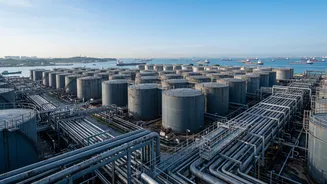
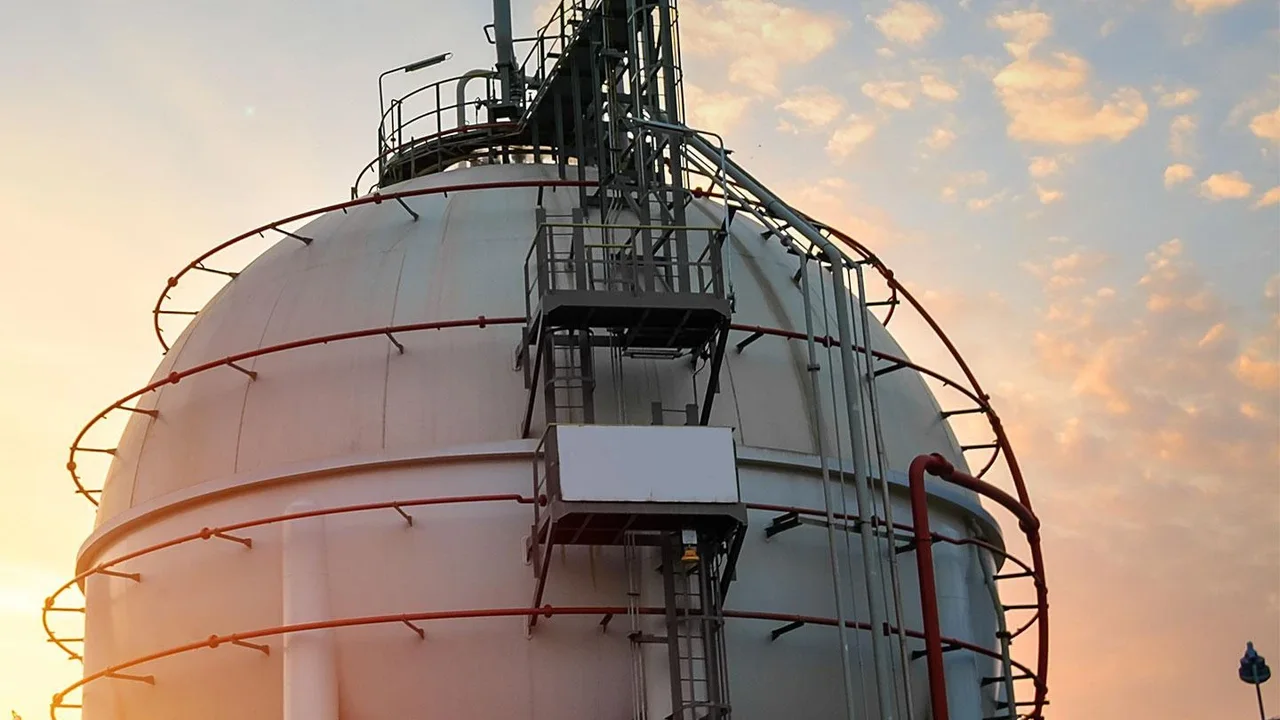
The physical heart of this agreement is the Jurong Rock Caverns (JRC), Southeast Asia's first underground oil storage facility. Located 150 metres below ground on Jurong Island, the JRC is a marvel of engineering designed to hold liquid hydrocarbons like crude oil and condensates. The facility's completed first phase provides a storage capacity of 1.47 million cubic metres, which translates to approximately 9 million barrels of oil. By placing this critical infrastructure underground, Singapore saves roughly 60 hectares of valuable surface land that can be used for higher-value petrochemical activities. For Saudi Arabia, this secure, state-of-the-art facility provides a safe and stable location to position its most valuable commodity closer to its customers.
Jurong Island: A Purpose-Built Energy City
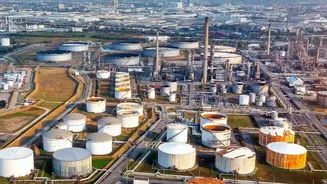
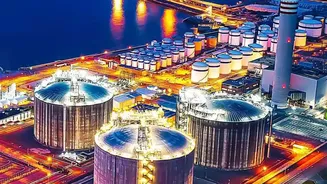
The Jurong Rock Caverns don't exist in isolation. They are a key part of Jurong Island, a 32-square-kilometre integrated energy and chemicals hub that is home to over 95 leading petroleum and petrochemical companies. The island was created by amalgamating several smaller islands and functions as a plug-and-play environment for energy giants. It boasts a refining capacity of over 1.3 million barrels per day, making Singapore one of the top three refining centres globally, despite having no crude oil reserves of its own. This ecosystem of refineries, crackers, and logistical services means that stored crude can be easily accessed, processed, and distributed, adding immense value beyond simple storage.
Location, Location, Location
Singapore's strategic position at the mouth of the Strait of Malacca is a cornerstone of its status as an energy hub. The strait is one of the world's most important shipping chokepoints, serving as the shortest sea route between Middle Eastern suppliers and major Asian economies like China, Japan, and South Korea. An estimated 80% of China's crude oil imports pass through this waterway. By storing oil in Singapore, Saudi Arabia can mitigate risks associated with disruptions in other chokepoints, like the Strait of Hormuz, and ensure a more flexible and reliable supply to the world's fastestest growing energy markets. Any blockage of the strait would force ships to take longer, more expensive routes, highlighting the value of having storage capacity right at this critical juncture.
More Than Just Hardware
Beyond the physical infrastructure, Singapore offers a robust 'soft' infrastructure that makes it an ideal partner. It is Asia's undisputed top oil trading hub and a global financial centre where a significant portion of Asia's commodity trading takes place. The country's strong legal framework, political stability, and skilled workforce provide a secure and efficient environment for complex international business deals. For a company like Saudi Aramco, operating in Singapore means access to a complete ecosystem of financial services, legal expertise, and a network of global energy traders, all within the same city. This combination of world - class physical assets and a premier business environment makes Jurong Island the linchpin of this strategic energy partnership.