




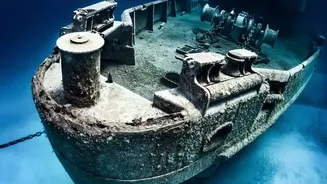
A Time Capsule from the Bronze Age
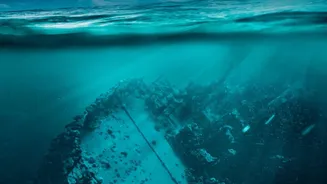
Archaeologists from Akdeniz University have uncovered the remains of a merchant vessel that sank as far back as 4,700 years ago, during the Early Bronze Age. While the wooden hull of the roughly 33-foot-long ship disintegrated over the millennia, its
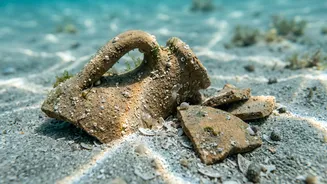
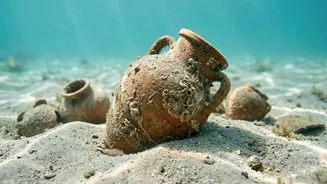
cargo remains as a 'time capsule at the bottom of the sea', according to expedition leader Hakan Öniz. The find, located near Kekova Island off the coast of Antalya, consists of more than 30 ceramic storage jars, known as amphorae, and three stone anchors scattered on the seabed. This discovery potentially surpasses the previous record-holder for the world's oldest shipwreck, a 4,200-year-old wreck found near the Greek island of Dokos.
Uncovering an Ancient Trade Network
The significance of the find lies not just in its age, but in what it reveals about ancient trade. Analysis of the clay used to make the amphorae suggests they were produced in workshops in the Jordan Valley. This indicates a thriving and surprisingly vast trade network connecting the Levant, Anatolia (modern-day Turkey), and possibly even Egypt and Crete nearly five millennia ago. Researchers believe the ship was carrying goods like olive oil or wine when it sank, perhaps while en route to Crete or the legendary city of Troy. The discovery provides rare physical proof of maritime trade routes that were previously only hinted at in historical texts.
The Moment of Realisation
The site was first documented in 2022, but its true importance wasn't immediately clear. The team, led by Öniz, initially thought the pottery might only be a few centuries old. The breakthrough came when they noticed the jars' distinctive shape—with two handles and a flat base—matched amphorae found at archaeological sites in Egypt, including near the Giza pyramids, which were under construction around the same time the ship is believed to have sunk. This connection sent a wave of excitement through the research team, as they realised they were looking at something far older and more significant than they first imagined.
Clues to Life Aboard an Ancient Vessel
Among the dozens of storage jars, one particular vessel has captured researchers' attention. It features unusual markings and two holes in its body, leading some to suggest it may have been a churn used to make cheese or butter while at sea. This tantalising clue raises the possibility that ancient mariners might have transported live goats on long voyages, using their milk for sustenance. The artifacts offer a precious window into not just the economics of the Bronze Age, but the daily lives of the sailors who braved the Mediterranean in these early seafaring vessels.