




The Power of a Complete Protein
Most individual plant-based foods are considered 'incomplete' proteins, meaning they are low in one or more of the nine essential amino acids your body can't make on its own. For example, dals and other legumes are typically low in the amino acid methionine,
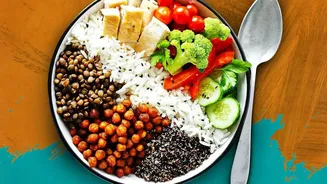
while grains like rice and wheat are low in lysine. This is where the magic of mixing comes in. By combining different pulses, or pairing pulses with grains, you create a 'complete' protein profile, ensuring your body gets all the building blocks it needs. This concept of protein complementation is the foundation of many traditional Indian meals, such as dal with rice or roti, which cleverly combine foods to form a complete protein source.
More Than Just Protein
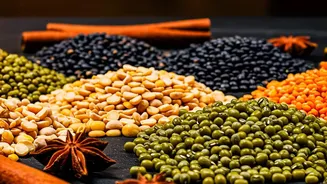
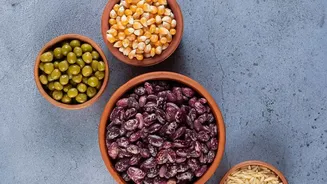
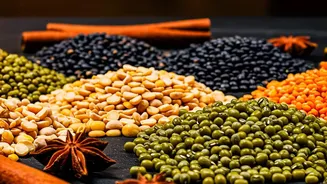
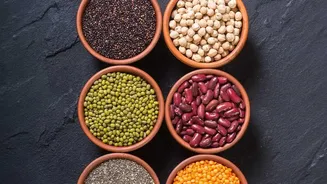
The benefits of mixing pulses extend far beyond just their protein content. Each type of pulse brings a unique nutritional profile to the table. By combining them, you get a wider array of essential nutrients. For instance, chana dal (split chickpeas) is rich in folate and iron, while urad dal (black gram) is a good source of iron and helps improve digestion. Moong dal is known for being easy on the stomach, and masoor dal (red lentils) provides potassium and vitamin B1. This variety also means you’re consuming a diverse range of dietary fibres, which is crucial for promoting gut health, aiding digestion, and helping you feel full and satisfied for longer. A diet rich in pulses has been linked to better blood sugar management and a reduced risk of cardiovascular disease.
Panchratna Dal: A Culinary Tradition
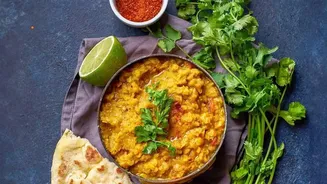
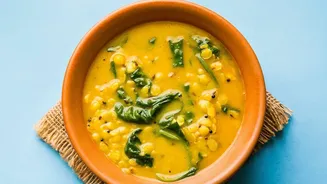
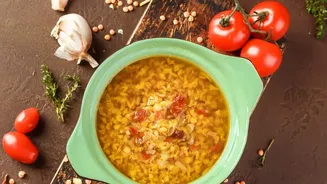
A perfect example of this principle in practice is the traditional Indian dish, Panchratna Dal, which translates to 'five-jewel lentil'. This recipe, with roots in the royal kitchens of Rajasthan, combines five different types of dals, such as toor, chana, moong, masoor, and urad dal. Each lentil contributes its own unique texture, flavour, and nutritional benefits, creating a dish that is both complex in taste and a nutritional powerhouse. A single serving of mixed dal can provide a significant amount of your daily protein, fibre, and mineral needs, making it a wholesome and balanced meal, especially when served with rice or roti.
Simple Combinations to Try
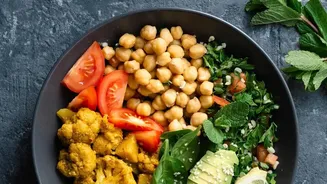
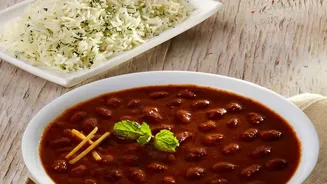
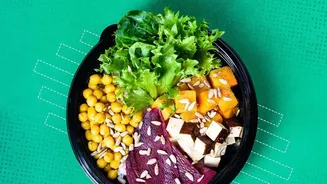
You don't need a complex recipe to start enjoying the benefits. Begin by simply combining two or three of your favourite dals. A mix of moong and masoor dal cooks quickly and offers a balanced flavour profile. For a heartier dish, try mixing chana dal with rajma (kidney beans). Another classic approach is to pair legumes with grains or seeds. Think of hummus (chickpeas and sesame seeds), rice and beans, or whole-grain bread with peanut butter. You can add a mix of cooked pulses to salads, stir-fries, and soups to easily boost their nutritional value. The key is variety; rotating through different combinations ensures you get a broad spectrum of nutrients.
Making It Work for You
While pulses are incredibly healthy, a sudden increase in fibre can sometimes cause digestive discomfort. If you're new to eating a lot of pulses, start slowly and increase your intake gradually. Soaking dried beans and lentils before cooking can also help make them easier to digest. Remember that while a bowl of dal is nutritious, it's just one part of a balanced diet. To meet your daily protein goals, it’s beneficial to include other protein sources like curd, paneer, eggs, or tofu in your meals alongside your mixed pulses. This approach ensures a well-rounded intake of all essential nutrients.