
The Two Sides of a 'Safe Landing'
In aviation, a 'safe landing' primarily means the aircraft has touched down without crashing and remains structurally intact. From an engineering and operational standpoint, it is a success. For passengers and crew, however, the experience can be anything
but safe. Recent incidents, such as an Air India flight from Phuket that encountered severe turbulence, illustrate this gap. The plane landed safely in Delhi, but not before a sudden altitude drop injured over a dozen people. This highlights a crucial distinction: the aircraft may be safe, but the people inside have been subjected to powerful, uncontrolled forces. A safe landing is the primary goal in any emergency, but it is the beginning of the story for those who must now deal with the physical and psychological aftermath.
The Physics of In-Flight Injuries
Most serious non-fatal injuries on flights are caused by turbulence. This isn't the gentle bumpiness many flyers are used to; severe or extreme turbulence can cause a plane to abruptly drop or gain altitude. During these events, the aircraft can experience forces that briefly approach zero-g or even negative-g, essentially creating a momentary state of weightlessness inside the cabin. Anything not secured—including people, luggage, and service carts—can become a projectile. An unbelted passenger can be thrown violently upwards into the ceiling and then back down onto seats or armrests. These impacts are the primary cause of injuries ranging from fractures and head trauma to spinal injuries.
A Catalogue of Turbulence-Related Trauma
The injuries sustained during severe turbulence are often serious and varied. Head and neck injuries, including concussions and whiplash, are common as passengers hit the cabin ceiling or get struck by falling objects from overhead bins. Fractures of the ankle, leg, and spine are also frequently reported, particularly among those who are standing or walking when the turbulence hits. Flight attendants are especially vulnerable, accounting for a vast majority of serious injuries in turbulence events because their jobs require them to be on their feet. Beyond the visible physical harm, the emotional trauma can lead to long-term psychological issues, including a fear of flying, anxiety, and Post-Traumatic Stress Disorder (PTSD) for both passengers and crew.
The Single Most Effective Safety Tool
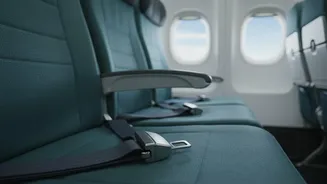
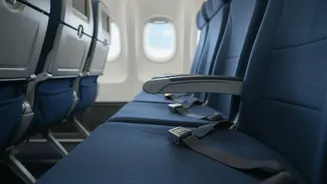
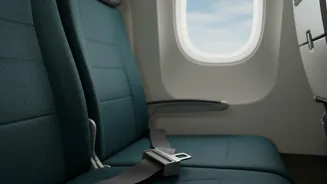
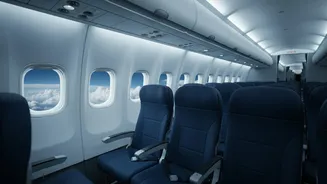
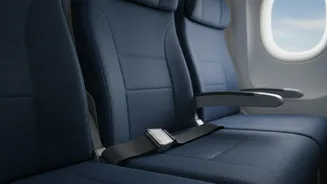
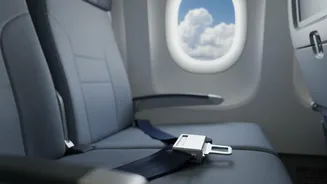
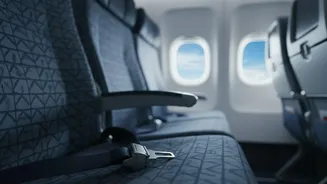
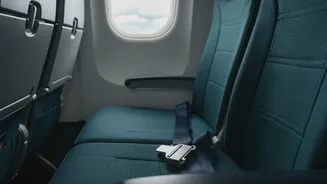
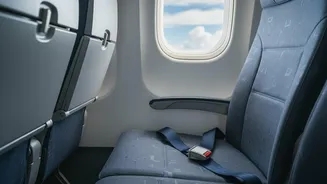
Aviation experts and flight crews are unanimous on the single most effective way to prevent injury from turbulence: wear your seatbelt. Many injuries occur when passengers, seeing clear skies and a deactivated seatbelt sign, decide to unbuckle. However, the most dangerous form of turbulence, Clear-Air Turbulence (CAT), is invisible to the eye and to standard weather radar, meaning it can strike without warning. Pilots consistently advise that even when the seatbelt sign is off, passengers should keep their belts fastened whenever they are in their seats. This simple act grounds you to your seat—and to the aircraft's frame—preventing you from becoming a projectile in your own right. It is a small inconvenience that can be the difference between walking away unharmed and sustaining a life-altering injury.