





What Are These Tiny Avatars?
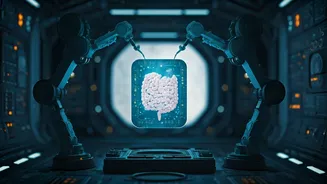
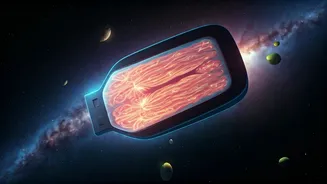
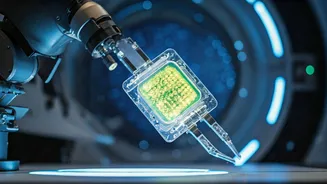
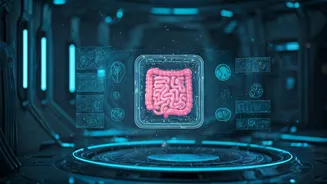
These so-called 'avatars' are not digital creations but sophisticated pieces of bio-engineering called 'organs-on-chips' or 'tissue chips'. Roughly the size of a USB stick, each chip contains a complex 3D matrix of living human cells that mimic the structure
and function of a specific organ. These are not just simple cell cultures; they are dynamic systems with microfluidic channels that act like blood vessels, supplying nutrients and removing waste. This allows them to function much like their full-sized counterparts in the human body. The 'four avatars' in question likely refer to specific chips sent to the International Space Station (ISS) to study different biological systems, such as the gut, liver, bone marrow, or the blood-brain barrier. This technology provides a more accurate model for studying human physiology than traditional lab methods.
Why Send Human Organs to Space?
The secret lies in microgravity. The near-weightless environment of space causes changes in the human body that remarkably mirror the effects of aging and certain diseases on Earth, but on a much faster timeline. Astronauts experience accelerated bone density loss, muscle weakening, and immune system dysfunction. What takes years or even decades to develop on Earth can manifest in just weeks or months in orbit. This accelerated model provides researchers with a unique and powerful opportunity. By studying tissue chips on the ISS, scientists can observe the progression of diseases and test the effectiveness of potential treatments in a compressed timeframe, speeding up the path to discovery. It's a way to fast-forward medical research, helping us understand conditions that affect millions.
A Laboratory 250 Miles Up
The 'Tissue Chips in Space' initiative is a major collaboration between research bodies like the U.S. National Institutes of Health (NIH) and NASA. Multiple missions have transported these chips to the ISS. Once docked, astronauts place the devices into an incubator. The chips are then monitored, with some being exposed to drugs to see if the accelerated, space-induced damage can be prevented or reversed. For example, one recent project involved sending four gut-liver tissue chips to study the complex relationship between microbes and human organs in space, a critical factor for astronaut health on long missions. Other experiments have focused on everything from kidney disease and joint inflammation to the blood-brain barrier's role in neurological disorders. The data and the chips themselves are then returned to Earth for in-depth analysis.
The Future of Medicine in Space and on Earth
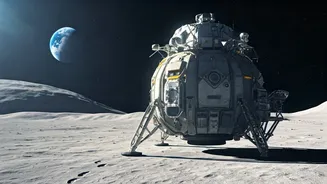
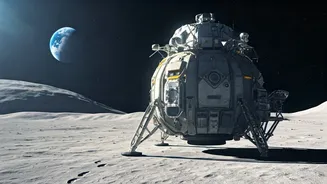
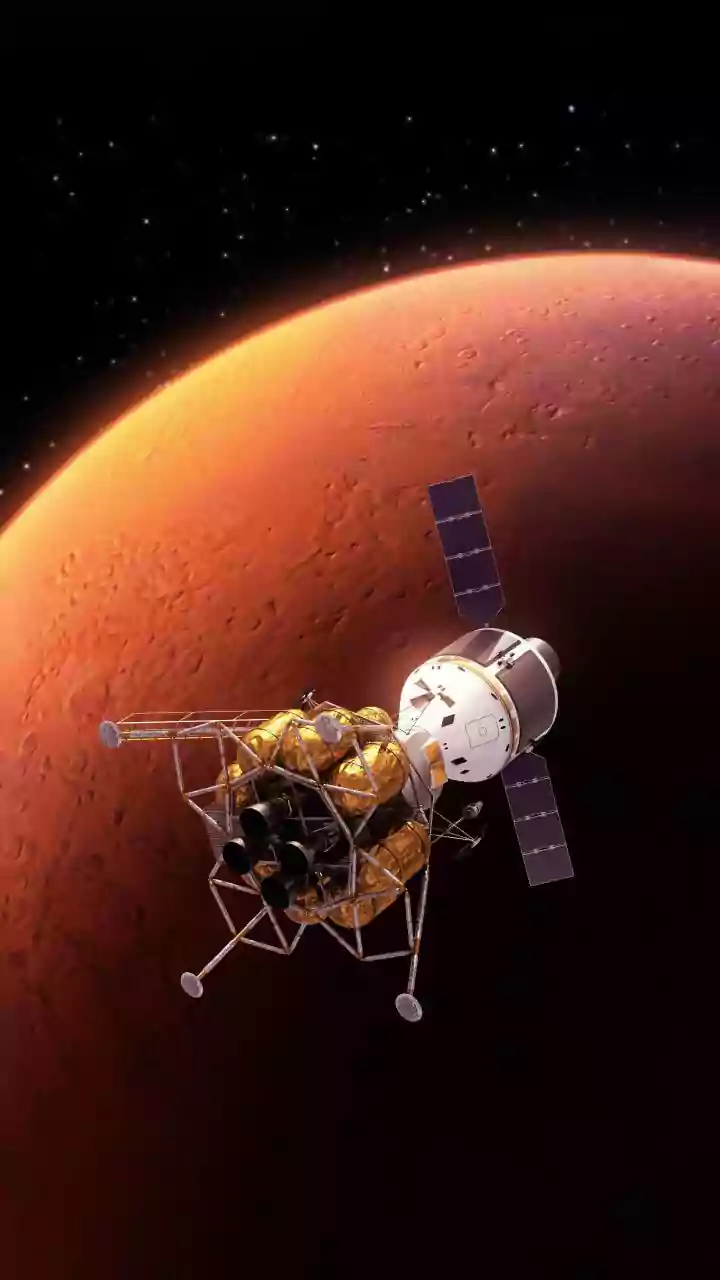
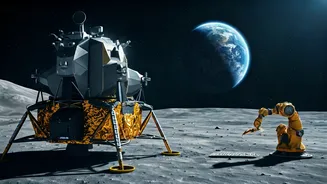
For space exploration, this research is vital. As humanity plans long-duration missions to the Moon and Mars, understanding how to counteract the harsh effects of space travel is paramount. These tissue chips can help predict how an individual astronaut's body might react to deep space stressors and allow for the development of personalized countermeasures and medical kits. But the benefits extend far beyond astronaut health. The insights gained from these orbital experiments have direct applications back on Earth. By understanding the mechanisms of aging-related diseases like osteoporosis and immune decline, we can develop more effective therapies for the general population. Furthermore, perfecting these miniature organ systems could reduce the reliance on animal testing in drug development, making the process faster, cheaper, and more ethically sound.