


An Inventive Twist on a Classic
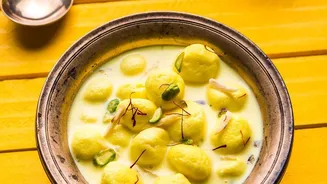
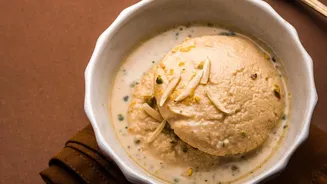
Rasmalai, with its soft, spongy discs of chenna soaked in a fragrant, saffron-infused milk bath, is a dessert beloved across the country. The process of making perfect chenna, however, can be intimidating for many home cooks. This is where sabudana, or tapioca
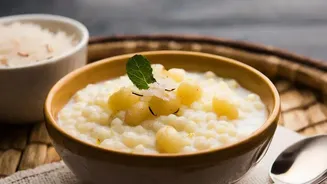
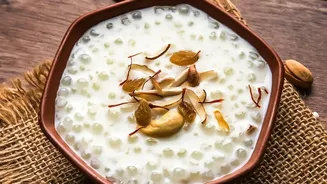
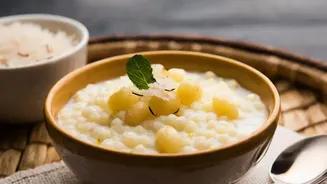
pearls, makes a brilliant entry. This innovative recipe reimagines the core component of rasmalai, offering a surprisingly delightful alternative. Instead of chenna, small, tender patties or balls are formed from cooked sabudana. These are then submerged in the classic sweet, milky rabri, where they absorb all the rich flavor. The result is a dessert that is both familiar and novel, combining the creamy comfort of traditional rasmalai with the unique, soft, and slightly chewy texture of tapioca pearls. It's a perfect solution for those seeking a gluten-free option or simply a faster, more forgiving way to enjoy a rasmalai-like experience.
Crafting the Perfect Rabri Base
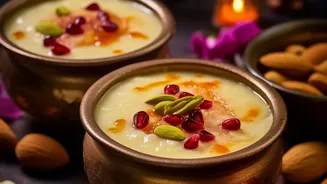
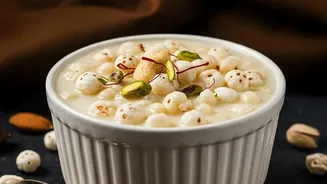
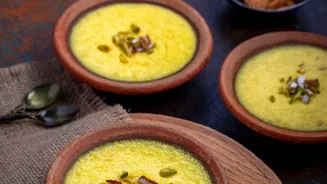
The soul of any good rasmalai lies in its milky base, the rabri. The good news is that this part of the recipe remains largely unchanged. To create a rich and aromatic rabri, start by boiling full-fat milk in a heavy-bottomed pan. The key is to simmer it on low heat, allowing it to reduce and thicken gradually. This slow reduction concentrates the milk's flavor, creating a naturally creamy consistency. While it simmers, stir it occasionally to prevent it from sticking to the bottom of the pan. Once the milk has reduced to about two-thirds of its original volume, it's time to infuse it with flavor. Add sugar to taste, a generous pinch of saffron strands (soaked in a little warm milk to release their color and aroma), and a sprinkle of cardamom powder. Many recipes also call for a garnish of finely chopped pistachios and almonds, which can be added directly into the milk for extra texture and richness. Let it simmer for a few more minutes before cooling it down.
The Key Qualification: Mastering the Sabudana
Here lies the most critical step, the one that makes or breaks the dish. The “key qualification” for a successful Sabudana Rasmalai is the precise cooking of the tapioca pearls. Overcook them, and you get a sticky, gooey mess; undercook them, and they remain hard and unpalatable. The goal is to cook the sabudana until the pearls are just translucent and soft, but still hold their individual shape. Most recipes achieve this in one of two ways. The first method involves cooking soaked sabudana with a small amount of milk or water until it thickens into a dough-like consistency. This mixture is then cooled slightly, shaped into small discs or balls, and chilled to firm up before being added to the rabri. The second, more direct method involves dropping the shaped sabudana balls directly into the simmering milk. If you choose this method, it's crucial to cook on a low flame and avoid vigorous stirring, which can cause the balls to break apart. Gentle cooking is paramount.
Tips for Textural Perfection
Beyond cooking the sabudana correctly, a few other details ensure a flawless final product. First, always rinse your sabudana pearls thoroughly before soaking to wash away excess starch. This initial step is vital for preventing stickiness later on. The soaking itself is also important; the pearls should be soaked until they are soft and can be easily mashed between your fingers, with no hard center remaining. When forming the sabudana patties or balls, greasing your palms with a little ghee can prevent the mixture from sticking. Some recipes also incorporate milk powder into the sabudana mixture. This not only adds richness but also helps in binding the pearls together, making them easier to shape and less likely to fall apart during cooking. Finally, patience is a virtue. Once assembled, allow the Sabudana Rasmalai to chill in the refrigerator for at least a couple of hours. This gives the sabudana pearls ample time to absorb the flavors of the rabri, resulting in a more cohesive and delicious dessert.