




A Splash of Colour in the Cold Desert
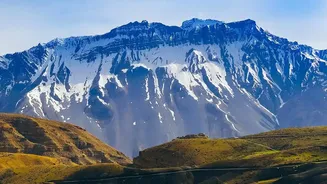
In a region celebrated for its stunning yet arid landscapes, a remarkable transformation has taken place. The Union Territory of Ladakh has unveiled twin flower fields at Choglamsar and Stakna, located near Leh at an altitude of 10,600 feet. These are
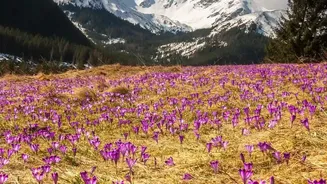
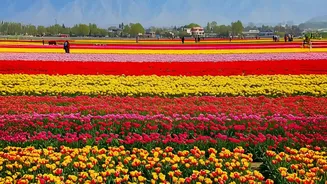
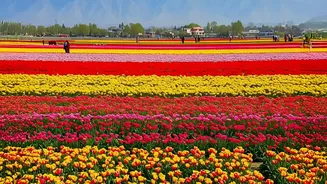
not just any gardens; they are being hailed as the world's highest-altitude flower fields, covering a combined area of 40 acres. The project brings a spectacular burst of colour to the high-desert environment, with over 2.5 million flowers planted, creating a stark and beautiful contrast with the surrounding rugged terrain. The gardens were inaugurated in September 2026 and opened to the public shortly after, offering a new, vibrant attraction for both locals and tourists.
The Vision: More Than Just Flowers
The creation of these gardens is about much more than just aesthetics. The initiative, led by the Ladakh administration, is a strategic move to boost the local economy, diversify agriculture, and create new livelihood opportunities. The primary goal is to establish commercial floriculture as a viable industry in the region. By cultivating high-value flowers, the project aims to provide farmers with a profitable alternative to traditional farming, enhancing their incomes and opening new avenues for entrepreneurship. Lieutenant Governor V. K. Saxena described the project as sowing the 'seeds of new livelihoods, skills, and opportunities for the people of Ladakh'. The gardens are intended to serve as a model for future projects across the Union Territory.
A Symphony of Blooms at 10,600 Feet
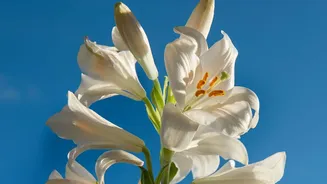
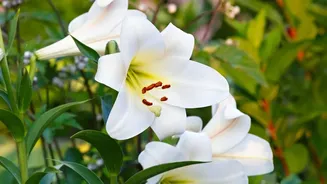
The ambitious '25-lakh-flower' figure is no exaggeration. The twin fields feature a stunning variety of high-value flowers, dominated by approximately 2.4 million Liliums and 100,000 Gladiolus plants. These species were chosen for their commercial value and their ability to be cultivated in the region. The Choglamsar park, which will also grow Tulips, is set to function as a model demonstration centre. The development timeline was remarkably swift; plantation at the Choglamsar site began in mid-July 2026, with the first blooms appearing by early September. At the Stakna site, nearly 1.4 million Lilium bulbs were planted in August, with their full bloom anticipated by the end of October 2026.
Empowering the Local Community
A key component of this initiative is its focus on community empowerment. The Choglamsar flower park is designed to be a training and demonstration centre for local farmers and youth. The Agriculture Department is providing training in modern cultivation techniques, scientific farming, and post-harvest management. In its first year, the department will manage the cultivation before handing over the blooming fields to selected Self-Help Groups (SHGs) and cooperative societies. From the second year onwards, these local groups will independently handle the commercial cultivation, harvesting, and marketing, with guidance on tapping into domestic and international markets. This model ensures that the economic benefits are rooted directly within the community.
A New Gem for Ladakh Tourism
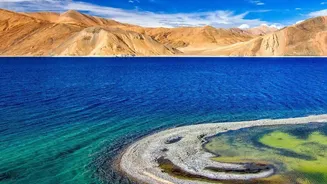
While the economic and agricultural goals are central, the twin gardens are also a significant new attraction for Ladakh's tourism sector. The breathtaking sight of millions of flowers in a high-altitude desert offers a unique experience, complementing the region's famous monasteries, lakes, and mountains. The gardens officially opened to the public on September 18, 2026, with a nominal entry fee of Rs 25 for adults and Rs 10 for children to fund the ongoing maintenance. Officials anticipate that these vibrant floral landscapes will encourage tourists to extend their stays, generating further economic activity in hospitality, transport, and local handicrafts. The gardens represent a fusion of natural beauty and sustainable development, adding a fresh, colourful chapter to Ladakh's story.