






The Nolan Effect
Christopher Nolan is more than a director; he's a brand synonymous with a certain kind of ambitious, large-scale filmmaking. From "The Dark Knight" to "Inception" and "Oppenheimer," he has consistently pushed the boundaries of practical, in-camera effects,
championing the tangible magic of analogue filmmaking in a digital age. This dedication has cultivated a loyal following of cinephiles who believe in his vision of cinema as a grand, immersive event. His films are not just stories; they are destinations. For these fans, the release of a new Nolan film like 'The Odyssey'—an epic adaptation of Homer's poem shot entirely on IMAX film—isn't just a trip to the local multiplex. It's a call to adventure, and the first step is finding the right map, which in this case, means finding the right theatre.
Not All Screens Are Created Equal
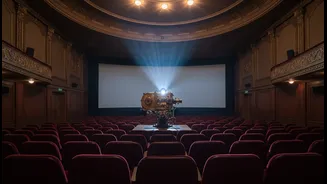
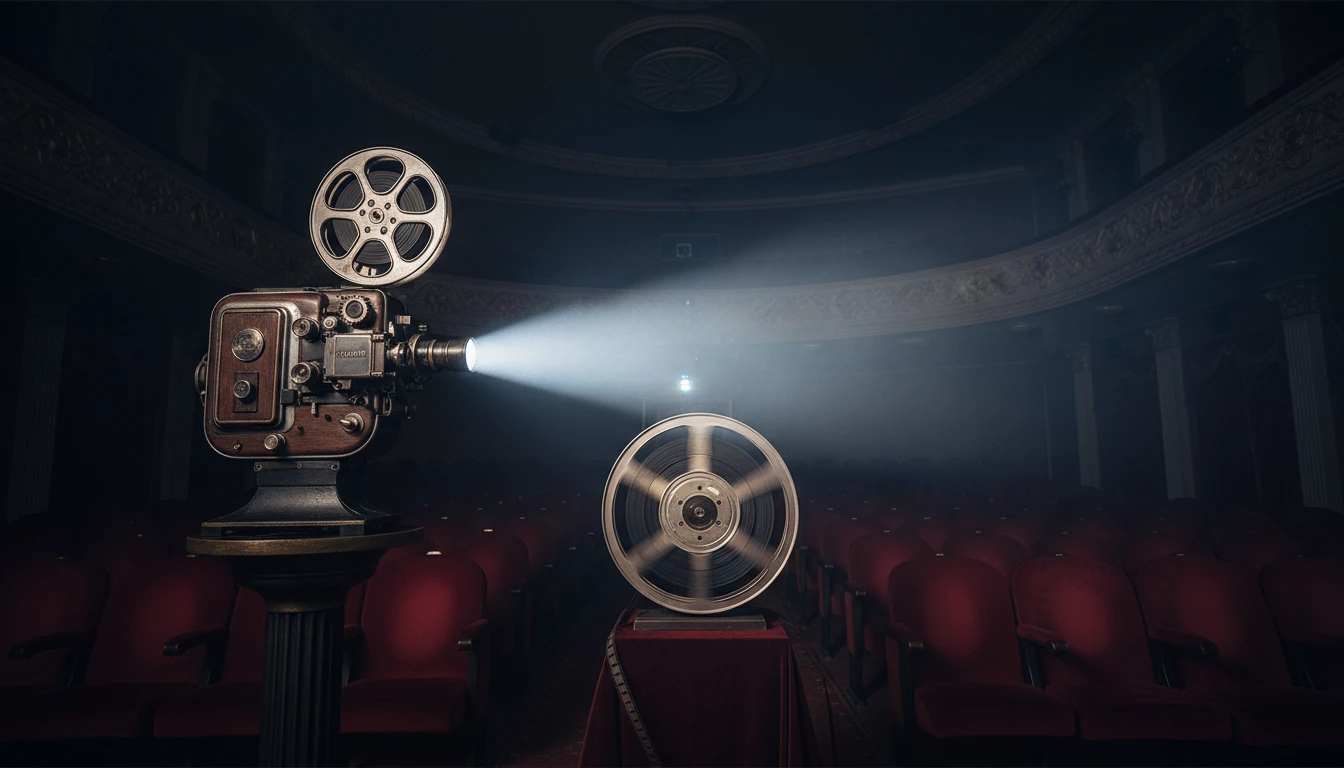
The holy grail for Nolan purists is IMAX 15/70mm film. To understand why, think of it like vinyl records versus music streaming. While digital projection is clean and convenient, many argue that analogue film possesses a texture, warmth, and depth that cannot be replicated. The IMAX 15/70mm format is the absolute pinnacle of this. The film reel runs horizontally, using a frame that is nearly nine times larger than standard 35mm film. This massive negative captures an astonishing amount of detail, with a visual resolution estimated to be the equivalent of 16K or even 18K. When projected, the image is incredibly sharp and clear, creating a level of immersion that, according to Nolan himself, is the closest reproduction of how the human eye sees the world.
A Window Into Another World
The technical specifications translate into a truly unique viewing experience. One of the most significant differences is the aspect ratio. Most films are presented in a wide, rectangular format, but true IMAX 70mm uses a taller 1.43:1 aspect ratio. On a towering IMAX screen, this fills your entire vertical field of vision, eliminating the black bars at the top and bottom and fully immersing you in the image. For 'The Odyssey', which was shot entirely in this format, viewers in these specific theatres see the complete picture exactly as the director intended. In a standard cinema, even a digital IMAX one, that image is often cropped, meaning you are literally missing part of the movie. The combination of the vast screen, the unique aspect ratio, and the unparalleled image quality makes it feel less like you're watching a film and more like you're looking through a giant window into another world.
An Endangered Species of Cinema
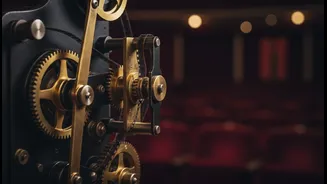
So, why are there only 41 of these cinematic temples in the entire world? The answer is cost and complexity. The 15/70mm projectors are mechanical marvels, but they are no longer being manufactured. To meet the demand for 'Oppenheimer' and now 'The Odyssey', IMAX had to track down, refurbish, and reinstall old units. The film prints themselves are gigantic; the one for 'The Odyssey' is reportedly over 18 kilometres long and weighs hundreds of kilograms. Running this requires specially trained projectionists, a profession that has become a dying art since multiplexes converted to digital two decades ago. This scarcity makes every screening a special event, turning a movie ticket into a golden ticket for a rare and fleeting experience. The number of capable theatres actually grew from around 30 for 'Oppenheimer' to 41 for 'The Odyssey' thanks to this restoration effort.
Have Ticket, Will Travel
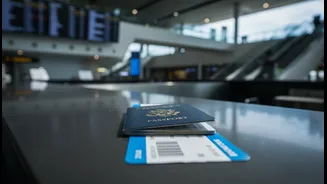
This small number of venues—with just 25 in the United States and a handful in countries like the UK, Canada, and Australia—has created a culture of cinematic pilgrimage. Fans share information online, plan road trips, and fly across countries, all for a three-hour experience. For them, it's about more than just seeing a movie. It is about participating in a global event and honouring the director's artistic vision in its purest form. It's a testament to the power of film when it is treated not as disposable content, but as a work of art deserving of a grand stage. As long as directors like Nolan continue to champion this format, it seems film purists will continue to answer the call, no matter how far they have to travel.