




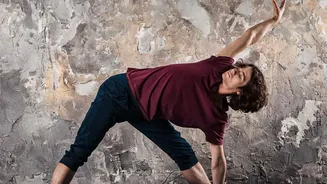


The festive lights have dimmed and the sweet boxes are empty. If you're feeling sluggish after Diwali, this is for you. The dead bug exercise is a simple, powerful way to gently re-engage your core and build stability from your living room floor.
Why Start With Core Stability?
After
a period of festive indulgence and a break from regular routines, jumping back into intense exercise can feel daunting. The dead bug is the perfect re-entry point. It's a low-impact exercise that focuses on core stability, which is the ability of your trunk muscles to support your spine. A strong and stable core acts like a natural corset for your body, improving posture and reducing the risk of lower back pain, which can often result from weak core muscles. Unlike crunches, which can sometimes strain the back and neck, the dead bug teaches your core to brace and stay rigid while your limbs are moving—a skill that is essential for almost every daily activity, from lifting groceries to playing sports.
How to Perform the Perfect Dead Bug
Getting the form right is more important than speed or the number of repetitions. Follow these steps for a safe and effective dead bug: 1. Starting Position: Lie on your back on a comfortable, firm surface. A yoga mat is ideal. Bend your hips and knees to 90 degrees, so your shins are parallel to the floor (this is often called the 'tabletop' position). Extend your arms straight up towards the ceiling, directly above your shoulders. 2. Engage Your Core: Before you move, gently press your lower back into the floor. You shouldn't be able to slide a hand underneath it. Engage your abdominal muscles by imagining you are drawing your belly button towards your spine. 3. The Movement: Take a deep breath in. As you exhale, slowly lower your right arm and your left leg toward the floor simultaneously. Move with control. Go only as low as you can without your lower back arching off the floor. Your arm and leg should hover just above the ground. 4. Return and Repeat: Inhale as you slowly bring your arm and leg back to the starting position. Exhale and repeat the movement on the opposite side, lowering your left arm and right leg. This completes one repetition.
Common Mistakes to Avoid
The effectiveness of the dead bug lies in its precision. Watch out for these common errors: Arching the Lower Back: This is the most frequent mistake. It means your core has disengaged, and you're putting stress on your spine instead of strengthening your abs. If you feel your back lifting, reduce your range of motion. Moving Too Fast: This exercise is about control, not speed. Using momentum robs your muscles of the work and increases injury risk. Holding Your Breath: Breathing is crucial for core engagement. Remember to exhale as you lower your limbs and inhale as you return to the start. Letting Stationary Limbs Drift: The arm and leg that are supposed to stay still should remain in their starting position over your shoulders and hips. This stillness is part of the stability challenge.
Variations for Every Fitness Level
One of the best things about the dead bug is how easily it can be modified to suit your current strength. For Absolute Beginners: If the full movement is too challenging, start by only moving your legs. Keep your arms pointing to the ceiling and practice lowering one leg at a time, keeping the knee bent and tapping your heel to the floor. Or, keep your feet on the floor and just practice the arm movements. To Make It Harder: Once you’ve mastered the basic form, you can increase the challenge. Try holding light dumbbells in your hands or wearing ankle weights. You can also introduce a resistance band around your feet or hands to add another layer of work for your core. Another variation is to hold a stability ball between your hands and knees, pressing into it to maintain engagement as you move the opposite limbs.