




Why Austria's Alpine Meadows Are Special
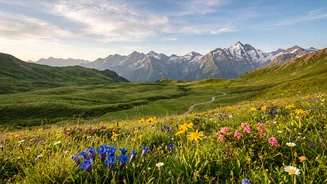
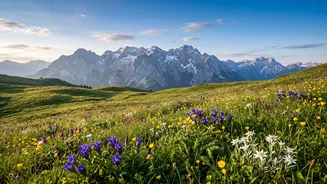
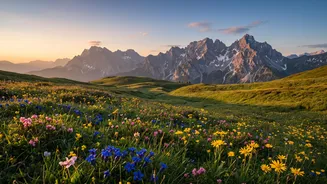
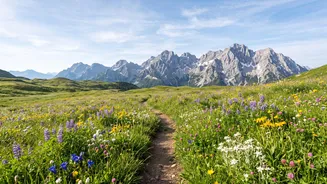
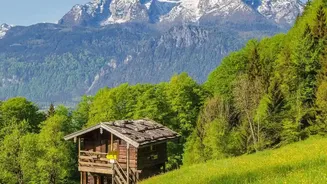
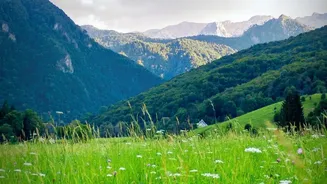
The Austrian Alps offer a unique botanical spectacle that transforms its rugged mountainscapes into delicate, colourful gardens each year. This is not just about a few flowers; it's about vast, rolling meadows bursting into life. The diversity is staggering,
from gentle valley floors to high-altitude rocky slopes, each hosting its own specific collection of flora. The combination of clean air, pristine nature, and traditional alpine culture, where many of these meadows are part of centuries-old farming landscapes, creates an experience that is both visually stunning and deeply authentic. This natural bloom is a celebrated event, drawing nature lovers and hikers to witness the mountains in their most vibrant state.
The Best Time to See the Blooms
Timing is everything when it comes to chasing alpine flowers. The peak season for wildflowers in the Austrian Alps is relatively short but glorious, generally spanning from mid-June to late July. In mid-to-late June, the lower and mid-altitude meadows explode with colour, offering a fresh, green landscape after the snowmelt. This period is often quieter, providing a more peaceful experience on the trails. July continues the floral show, with many species like the famous Alpenrose reaching their peak. While some flowers can still be found in August, the intensity of the bloom begins to fade. For the most spectacular displays, planning your trip in the early summer window is your best bet.
Top Regions for Flower Hikes
While beautiful meadows can be found across the Austrian Alps, a few regions stand out for their exceptional floral displays and well-maintained trail networks. Tyrol is a classic choice, boasting famous hiking areas like the Zillertal and the Karwendel Nature Park. Trails around Seefeld and the Wilder Kaiser mountains offer incredible scenery. Another premier destination is the Salzkammergut, or the Austrian Lake District. This region combines stunning lakes with accessible mountains, with trails around Lake Wolfgangsee and Lake Fuschl offering rewarding hikes. For those seeking dramatic landscapes, the Hohe Tauern National Park, which stretches across Carinthia, Salzburg, and Tyrol, provides high-altitude trails with breathtaking views and unique flora.
Iconic Alpine Flowers to Spot
Part of the joy of hiking here is learning to identify the iconic flowers that define the alpine landscape. The most famous, of course, is the Edelweiss, a rare and protected white, star-shaped flower that grows on rocky limestone slopes at high altitudes, typically blooming between July and September. You'll also see the vibrant blue Trumpet Gentian and the striking Alpenrose (Alpine Rose), a rhododendron species whose pink and red flowers cover entire mountainsides in early summer. Keep an eye out for the yellow Mountain Arnica, used for centuries in herbal medicine, and the colourful Alpine Anemone, also known as the Pasque flower. Spotting these beauties in their natural habitat is a highlight of any Austrian hike.
Planning Your Austrian Hiking Trip
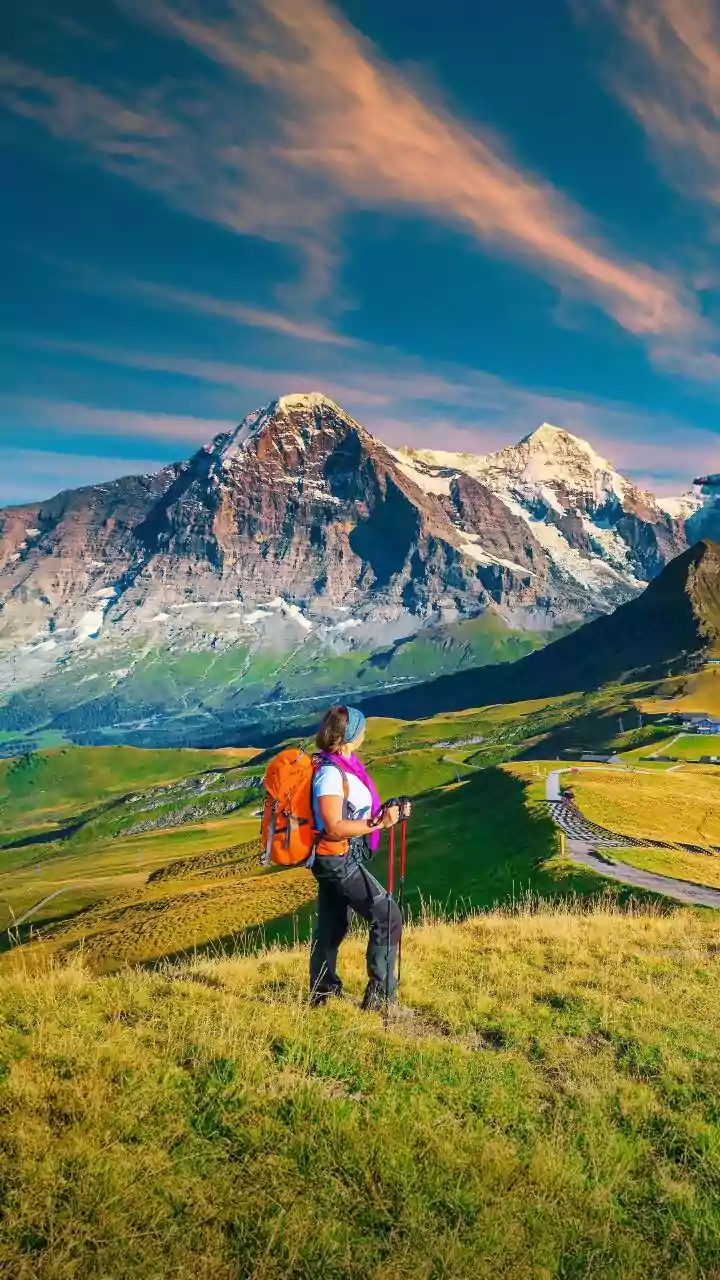
A successful flower-hike requires a bit of planning. Always check trail conditions before you set out, as snow can linger on higher passes well into June. Dress in layers, as mountain weather can change in an instant. Sturdy hiking boots are non-negotiable. While many trails are well-marked, carrying a map or using a reliable hiking app like Komoot is essential for navigation. Remember that many of these flowers, especially Edelweiss and certain types of gentian and orchids, are protected by law. The rule is simple: take only pictures, leave only footprints. Admire their beauty, but do not pick them, ensuring they remain for others to enjoy for years to come.