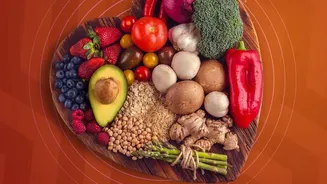









Rethinking Traditional Fitness Diets
For decades, the formula for muscle gain seemed straightforward: intense training paired with a high-protein diet, often heavy on red meat, poultry, and whey supplements. While effective for building mass, this approach carries a significant environmental
cost. The production of animal-based foods, particularly beef, is a major contributor to greenhouse gas emissions, land degradation, and water consumption. For instance, producing a kilogram of protein from beef requires substantially more land and water and generates significantly more emissions than producing the same amount from plant sources like beans or lentils. As awareness about climate change grows, many fitness enthusiasts are seeking ways to align their health goals with planetary health.
What Makes a Diet Sustainable?
A sustainable diet goes beyond just what's on your plate; it considers the entire lifecycle of food. Key principles include choosing foods with a lower environmental footprint, such as those that require less land, water, and energy to produce. This often means prioritising plant-based foods. It also involves reducing food waste, eating locally and seasonally to minimise transportation emissions, and reducing reliance on heavily processed and packaged items. For athletes and active individuals, this doesn't mean compromising on performance. It’s about making smarter, more conscious choices without sacrificing the essential nutrients needed for energy, recovery, and muscle growth.
The Power of Plant-Based Protein
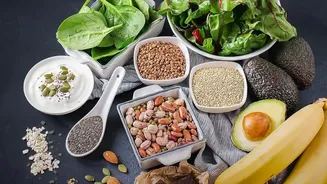
One of the biggest myths in fitness is that you can't build significant muscle on a plant-based diet. This has been thoroughly debunked. Plant-based proteins can be incredibly effective for muscle synthesis. India's traditional cuisine is a goldmine of sustainable protein sources. Lentils (dal), chickpeas (chana), beans (rajma), and soy products like tofu and paneer are excellent choices. While many plant proteins are 'incomplete' (lacking one or more essential amino acids), this is easily solved by combining different sources. Classic Indian meals like dal with rice or roti create a complete protein profile, providing all the necessary building blocks for muscle repair and growth. Foods like quinoa, buckwheat, and hemp seeds are also complete proteins on their own.
A Mindful Approach to Animal Products
A sustainable approach doesn't necessarily require a complete shift to veganism. For many, a 'flexitarian' model, which involves consciously reducing meat consumption rather than eliminating it, is a more achievable goal. When you do eat animal products, making mindful choices can significantly lower your impact. For example, poultry has a much lower carbon footprint than beef. Choosing locally sourced eggs and dairy can also be a more sustainable option. The goal is to meet your protein needs without exceeding them, as many athletic diets tend to do, and to replace some animal proteins with high-quality plant proteins. This 'protein flip' is a win-win for personal health and the environment.
Beyond Protein: A Holistic View
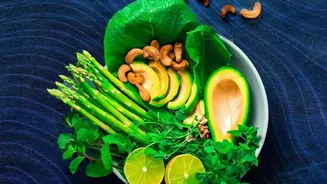
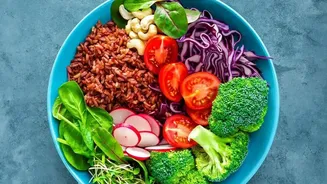
Building muscle sustainably isn't just about your protein source. Complex carbohydrates are essential for providing the energy needed for tough workouts. Opting for whole grains like brown rice, millets, and whole-wheat roti provides sustained energy. Healthy fats, found in nuts, seeds, and avocados, are crucial for hormone function and reducing inflammation, which aids in recovery. Furthermore, reducing food waste is a powerful sustainable practice. Planning meals, using leftovers, and buying only what you need can make a big difference. By adopting a holistic view, you can create a diet that supports peak physical performance while also being gentle on the environment.