



An Expanded Economic Powerhouse
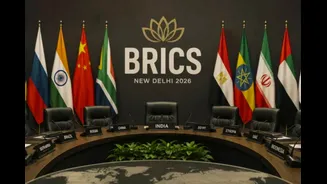
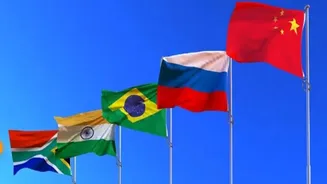
The BRICS group is no longer just the quintet of Brazil, Russia, India, China, and South Africa. With the recent inclusion of Egypt, Ethiopia, Iran, Saudi Arabia, the UAE, and Indonesia, the bloc has significantly expanded its economic and demographic
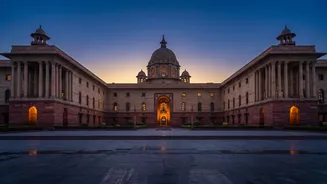
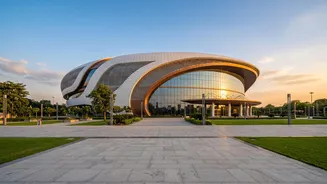
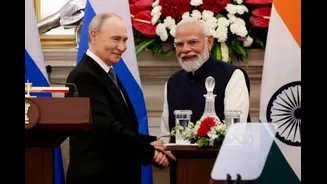
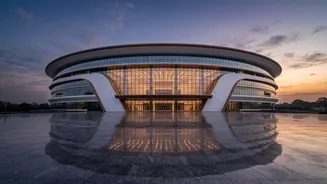
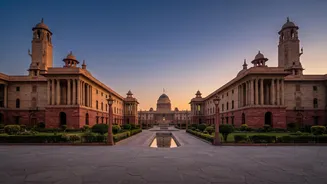
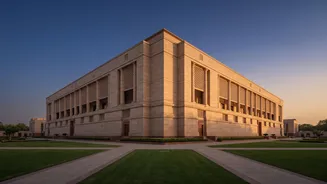
footprint. This expanded group now represents nearly half of the world's population and accounts for approximately 40% of global GDP. India's theme for its 2026 chairship — “Building for Resilience, Innovation, Cooperation and Sustainability” — reflects the ambition to leverage this collective weight to navigate global uncertainties and champion the interests of the Global South. The summit, held at New Delhi's Bharat Mandapam, is the culmination of India's fourth time chairing the group and marks a pivotal moment for the alliance.
Strengthening Trade and Investment
A primary focus of the New Delhi summit is to deepen intra-BRICS trade and investment. Despite significant growth, trade among member nations remains relatively low compared to their collective economic size. To address this, leaders are discussing a host of measures, including a framework to promote trade in national currencies and the potential for linking digital payment systems like India's UPI with those of other members. Preceding the main summit, a BRICS Business Forum brought together top corporate leaders from sectors like energy, technology, and banking to hash out practical ways to boost commercial ties. Discussions are also advancing on a "Strategy for BRICS Economic Partnership 2030," covering everything from the digital economy to sustainable development.
Building Resilient Supply Chains
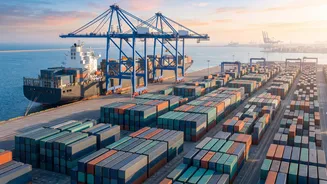
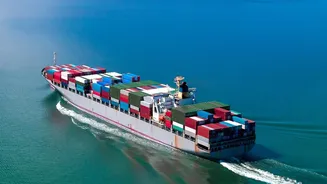
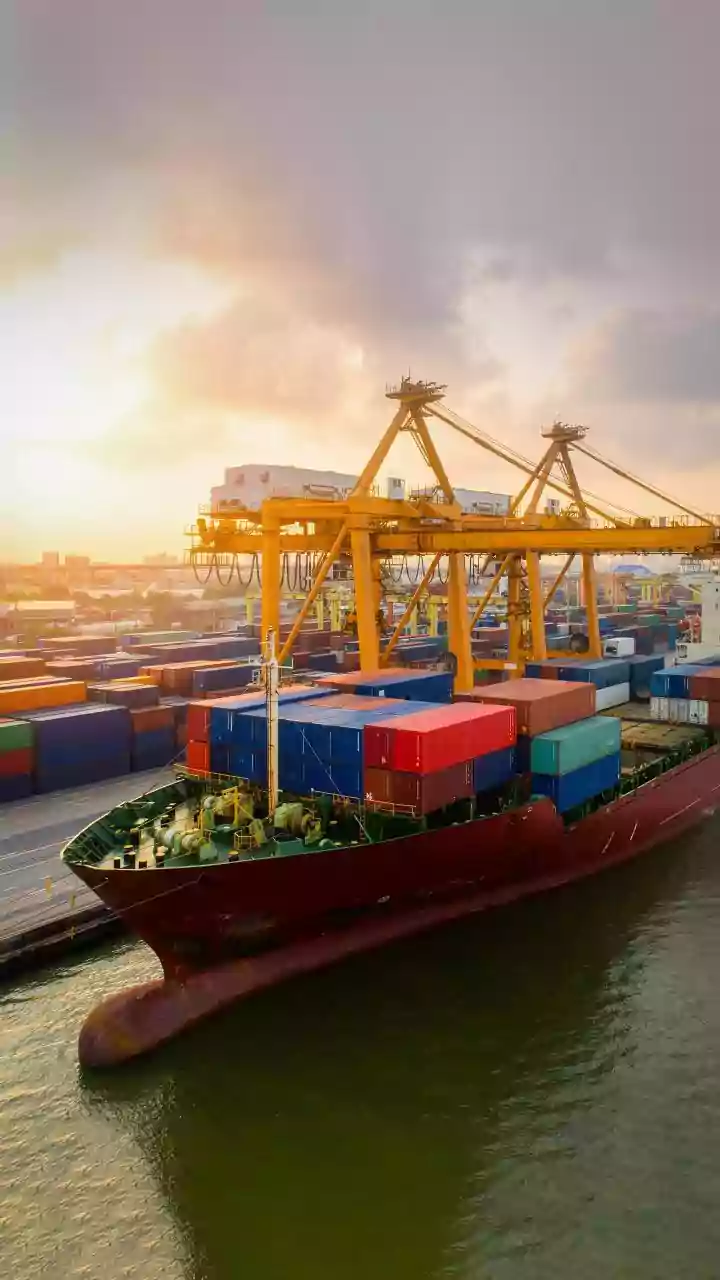
Recent geopolitical disruptions have highlighted the vulnerability of global supply chains. In response, a key priority for the 2026 summit is building more resilient and diversified networks. India is championing a BRICS Logistics Supply-Chain Cooperation Framework, a voluntary initiative to improve connectivity and address logistical weaknesses through knowledge sharing and capacity building. The agenda also includes a Global Value Chains Action Plan for 2026-2030, which aims to make these chains more efficient and encourage market-opening among members. The goal is not to entirely decouple from existing networks but to create more robust and inclusive alternatives that are less susceptible to external shocks.
The Technology and Innovation Frontier
Technology cooperation is another cornerstone of the summit's agenda. Practical collaboration is already underway in areas like e-commerce and digital payments. India is pushing for greater joint efforts in emerging technologies such as artificial intelligence, digital public infrastructure, and green energy. The BRICS STI (Science, Technology, and Innovation) Framework Programme is actively calling for multilateral research projects in fields like high-performance computing, AI, and advanced materials. For smaller businesses, new platforms like the BRICS MSME Cooperation Portal and a proposed Startup Innovation Fund are being developed to foster cross-border collaboration and market access, aiming to use technology as a tool for inclusive growth.
India's Strategic Balancing Act
For host nation India, the summit is an exercise in strategic diplomacy. New Delhi has consistently championed the cause of emerging economies and advocated for reforms in global governance institutions like the UN, IMF, and World Bank. The BRICS platform allows India to amplify its voice on issues like climate finance and energy security. At the same time, India is carefully balancing its commitments within the bloc with its strong partnerships with Western nations. By focusing its chairship on practical economic cooperation—like trade facilitation and MSME support—rather than overt geopolitical rivalry, India aims to steer the expanded group toward tangible developmental outcomes.