







A New Chapter for BRICS
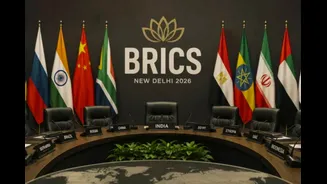
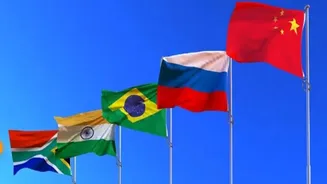
The BRICS summit hosted by India in New Delhi on September 12-13, 2026, is a pivotal moment for the group. Originally formed by Brazil, Russia, India, and China, with South Africa joining in 2011, the bloc has undergone a major transformation. In recent
years, it has welcomed Egypt, Ethiopia, Iran, Saudi Arabia, the UAE, and Indonesia, bringing the total to 11 members. This expansion has significantly increased the group's economic heft and demographic weight, now representing over 40% of global GDP in purchasing power parity terms. However, this growth also brings challenges, as the expanded membership includes nations with diverse, and sometimes conflicting, geopolitical interests. India's central task as chair is to navigate these differences and forge a path toward tangible outcomes.
Pillar 1: Building Resilience
A core pillar of India's agenda is building resilience across the board. The official theme for its 2026 chairship is “Building for Resilience, Innovation, Cooperation and Sustainability”. This priority is a direct response to recent global shocks, including supply chain disruptions, health emergencies, climate risks, and geopolitical instability. India's goal is to strengthen the bloc’s collective capacity to withstand and recover from such crises. This involves deepening cooperation in critical areas like energy and food security, disaster risk reduction, and creating more robust supply chains for essential goods like pharmaceuticals and critical minerals. The emphasis is on practical measures that protect economies and societies, ensuring stability in an uncertain world.
Pillar 2: Driving Innovation and Digital Cooperation
Innovation is the second key focus of India's presidency. New Delhi is pushing for greater collaboration in technology, particularly in areas where it has demonstrated significant domestic success. This includes sharing its expertise in Digital Public Infrastructure (DPI), exemplified by platforms like Aadhaar and UPI. India has proposed a BRICS Platform for Digital Public Goods and a DPI Repository to help member nations develop their own open-source technology applications for public services. The agenda also covers cooperation in artificial intelligence, fintech, and data-driven systems to foster future-ready growth and improve service delivery for citizens across the member states.
Pillar 3: From Dialogue to Practical Cooperation
India is keen to shift BRICS from a forum for dialogue to an institution that delivers concrete benefits. A major priority is strengthening economic and financial cooperation. This includes facilitating trade in national currencies to reduce reliance on the US dollar and lowering transaction costs. To support small and medium-sized enterprises (MSMEs), which are crucial for employment, India has proposed initiatives like a BRICS invoice discounting mechanism to ease access to trade finance. The agenda also includes practical cooperation in agriculture through networks focused on digital farming, as well as partnerships in health, education, and skills development. A strong emphasis on youth engagement further underscores this people-centric approach.
The Challenge of Finding Consensus
While India's agenda is ambitious and development-focused, its primary challenge lies in managing the growing divergence within the expanded bloc. With new members like Iran, Saudi Arabia, and the UAE, BRICS now contains regional rivals. Forging consensus on sensitive geopolitical issues, such as the conflict in West Asia, has proven difficult in ministerial meetings leading up to the summit. India's strategy appears to be one of strategic balancing, focusing on economic and developmental goals where common ground is more achievable, while carefully navigating political fault lines. The aim is to strengthen BRICS as a voice for the Global South and push for reforms in global governance institutions like the UN, IMF, and WTO, without letting internal divisions derail progress.