




More Than Just a Squeeze of Lime
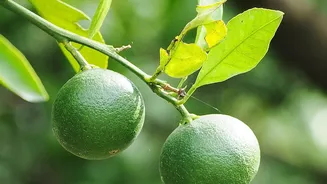
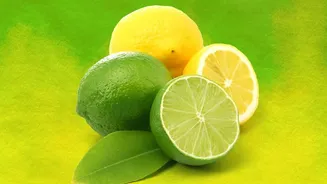
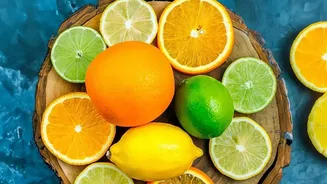
At first glance, the Indi Lime might look like any other, but its qualities quickly set it apart. Belonging to the 'Kagzi' variety, its name hints at its paper-thin rind. This delicate skin encases a fruit celebrated for its remarkably high juice content,
potent zesty aroma, and a perfectly balanced acidity that is sharp without being overwhelming. Unlike many of its citrus cousins, it has fewer seeds, making it a favourite in kitchens. These attributes are not accidental; they are the direct result of the specific soil and climate conditions of its home in the Vijayapura district, particularly the Indi taluk from which it gets its name. This region, often called the "Land of Lemons," accounts for a staggering 58% of all lime produced in Karnataka, a state that is itself one of India's top lime cultivators.
A Legacy Rooted in the Soil
The story of the Indi Lime is woven into the agricultural fabric of northern Karnataka. While concrete evidence is sparse, local historians believe lime cultivation was encouraged by the Adil Shahi dynasty that ruled the region centuries ago. The crop was well-suited to the arid landscape and became a staple. More formally, lime farming has been a cornerstone of the local economy for over a century, shaping the identity of towns like Indi and Sindagi. Today, it is the main crop for around 11,000 growers in the region. This long history reflects a deep-rooted agricultural legacy, with the lime being used not just in cooking but also in traditional medicine and cultural practices. Its journey from a local crop to a celebrated product is a testament to generations of farming knowledge.
The Power of a Protected Name
A major milestone in the lime's history came in 2023 when it was granted the Geographical Indication (GI) tag. This is a form of intellectual property protection that identifies a product as originating from a specific geographical location, possessing qualities and a reputation that are due to that origin. For Indi Lime, the GI tag is official recognition that its unique characteristics are intrinsically linked to Vijayapura's terroir. It is only the second lime variety in India, after the Assam lime, to receive this honour. The tag, valid until 2031, was the result of a five-year effort by local horticultural departments and the Karnataka State Lime Development Board, which is headquartered in Indi.
From Local Farms to Global Markets
The GI tag has done more than just provide recognition; it has opened up a world of opportunity. The protected status acts as a guarantee of quality and authenticity, making the Indi Lime a premium product on the world stage. This has directly translated into economic benefits for farmers, who can now access international markets and command better prices, reducing their dependence on fluctuating domestic rates. In recent years, facilitated by the Agricultural and Processed Food Products Export Development Authority (APEDA), consignments of Indi Lime have been successfully exported to the UAE, Oman, and the United Kingdom. Initial shipments to Dubai were so well-received that subsequent orders were four times larger, signalling a bright future for this Karnataka treasure on the global stage.