



The Allure of the Mountain Lake
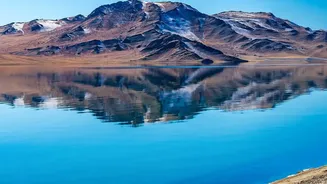
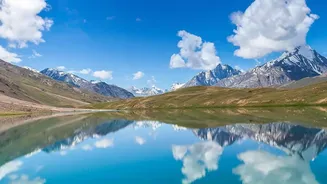
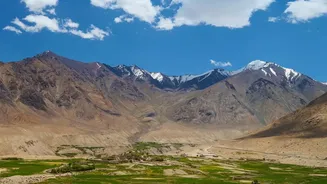
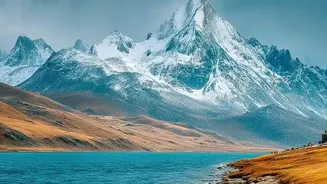
Tso Moriri, which translates to 'Mountain Lake', is a breathtaking expanse of brackish water nestled in the Changthang Plateau at an altitude of over 14,800 feet. It is the largest high-altitude lake entirely within India and is a protected wetland reserve.
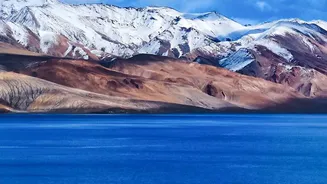
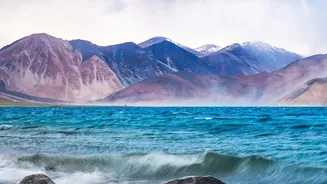
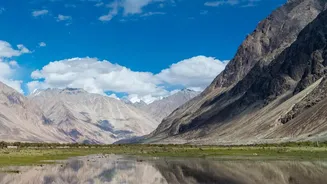
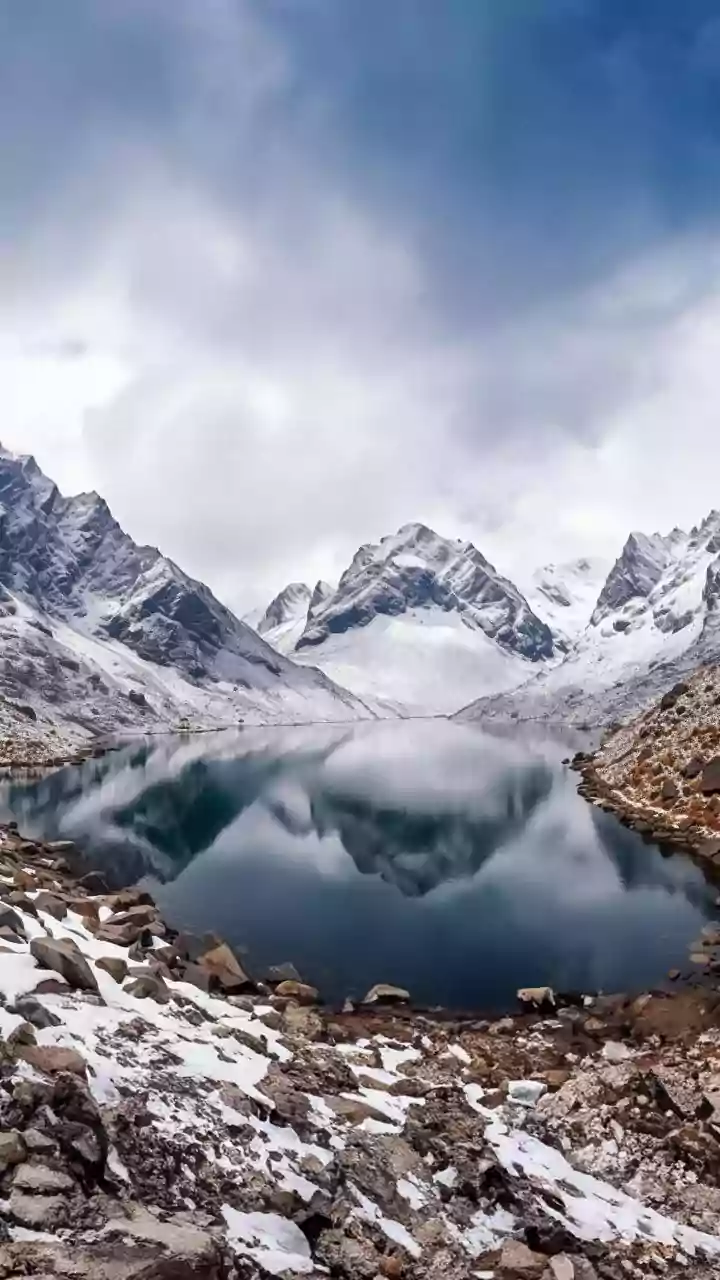
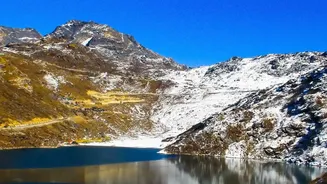
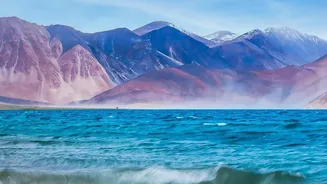
This status means its pristine shores are free from construction, preserving its raw, untouched beauty. The lake's deep blue waters reflect the surrounding snow-capped peaks, creating a mesmerising panorama that changes colours throughout the day. Unlike more crowded tourist spots, Tso Moriri’s appeal lies in its isolation and the profound sense of peace it offers to those who make the journey.
Permits and Regulations
Visiting Tso Moriri requires some paperwork due to its proximity to the Line of Actual Control. While the term Inner Line Permit (ILP) is still widely used, the system has been streamlined. As of 2026, Indian tourists are no longer required to obtain a traditional ILP. Instead, you must pay the Ladakh Environment Fee online before your trip. This fee typically consists of a one-time environment charge and a daily wildlife fee. The process can be completed on the official Leh district administration website. Always carry a printout of the receipt and a valid government-issued photo ID, as they will be checked at various points along the route.
How to Get There
The journey to Tso Moriri is an adventure in itself. The most common starting point is Leh, located approximately 220-240 kilometres away. The most direct route from Leh takes about 7-8 hours via the Chumathang Valley. You can hire a private taxi or, for the more adventurous, rent a motorcycle in Leh. For budget travellers, a government bus service runs from Leh to Korzok village on specific dates of the month—typically the 10th, 20th, and 30th. Regardless of how you travel, it's essential to start early to ensure you reach before nightfall. Fuel up in Leh, as petrol pumps are scarce en route.
Accommodation: Homestays and Camps
Accommodation at Tso Moriri is centred around Korzok, the only village on its shores. Due to its status as a wetland reserve, camping directly on the lake's banks is prohibited. Visitors have two main options: traditional homestays or seasonal tented camps. Homestays in Korzok offer an authentic experience, allowing you to stay with a local Changpa family, share home-cooked meals, and witness their way of life. Several guesthouses also provide basic but comfortable rooms. For those seeking more comfort, deluxe tented camps are set up near the village during the tourist season (usually May to September), offering attached bathrooms and other amenities. Expect facilities to be basic, with electricity often available only for a few hours in the evening.
Health and Acclimatisation
At an altitude of nearly 15,000 feet, acclimatisation is the most critical aspect of your trip. Acute Mountain Sickness (AMS) is a real risk. It is mandatory to spend at least two full days acclimatising in Leh (at 11,500 feet) before ascending to Tso Moriri. During this time, rest, stay hydrated by drinking 3-4 litres of water daily, and avoid alcohol and strenuous activity. Symptoms of AMS include headache, nausea, and dizziness. If you experience these, do not ascend further. A gradual itinerary, perhaps visiting Nubra Valley or Pangong first, allows your body to adjust better before heading to the even higher altitude of Tso Moriri.
What to Do and See
The primary activity at Tso Moriri is simply soaking in the serene atmosphere. Stroll along the designated paths near the lake, visit the ancient Korzok Monastery overlooking the water, and watch the sunset paint the sky and mountains in brilliant hues. The area is a paradise for birdwatchers, especially during the summer, when migratory birds like the endangered black-necked crane and bar-headed geese flock to the lake. The clear, unpolluted skies also make it an exceptional spot for stargazing and astrophotography, with the Milky Way often visible to the naked eye.