




Understanding the Post-Festival Slump
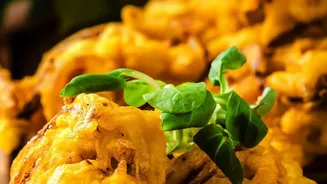
The Navratri period often involves a significant shift in eating patterns. For many, it's a time of fasting, which might mean long gaps between meals or consuming a limited variety of foods like kuttu (buckwheat flour), sabudana (tapioca pearls), and
potatoes. This is often followed by celebratory feasting. This cycle of fasting and then indulging in rich, fried, or sweet foods can overwhelm the digestive system. Your body, used to a slower pace during the fast, suddenly has to work overtime to process heavy meals, leading to common issues like bloating, acidity, constipation, and a general feeling of lethargy.
Hydration Is Your First Step
Before you even think about food, focus on fluids. Proper hydration is crucial for flushing out toxins and excess sodium, which contributes to bloating. Start your day with a glass of warm water, perhaps with a squeeze of lemon. Throughout the day, sip on herbal teas like tulsi or mint, jeera (cumin) water, or coconut water. These not only rehydrate but also have properties that aid digestion. Try to limit sugary drinks and excessive tea or coffee, as too much caffeine can be dehydrating and stress your system further.
Gently Reintroduce Regular Foods
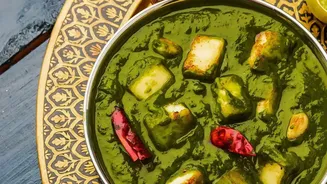
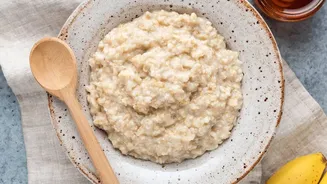
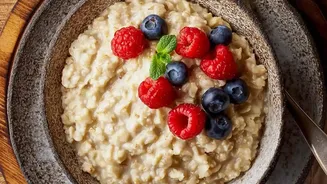
The biggest mistake after a period of fasting or festive eating is jumping straight back into heavy, complex meals. Your digestive system needs time to readjust. Begin with simple, light, and easy-to-digest foods. Think of meals like vegetable khichdi, dalia (broken wheat porridge), moong dal soup, or steamed vegetables. These meals are gentle on the stomach and provide essential nutrients without burdening your gut. Avoid breaking your fast with a large, greasy meal, as this can be a shock to the system.
Embrace Probiotics and Fibre
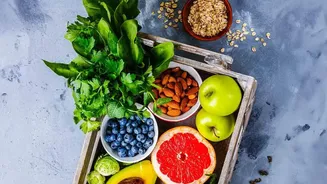
To restore the health of your gut microbiome after the festive disruption, incorporate natural probiotics into your diet. A simple bowl of dahi (curd) or a glass of buttermilk (chaas) can do wonders for rebalancing your gut bacteria. At the same time, slowly increase your fibre intake to help regulate bowel movements. Introduce whole grains like brown rice and oats, along with plenty of fresh, seasonal vegetables and fruits such as papaya and guava. However, add fibre back gradually to avoid causing more bloating as your system adapts.
Listen to Your Body and Eat Mindfully
One of the most important aspects of post-festival recovery is paying attention to your body's signals. Don't force yourself to eat large meals if you don't feel hungry. Instead, opt for smaller, more frequent meals to keep your metabolism steady without overloading your stomach. Practise mindful eating: chew your food thoroughly, eat slowly, and savour each bite. This allows your brain to register when you are full, preventing overeating. Taking a short, gentle walk after meals can also aid digestion significantly, much more than immediately sitting or lying down.