



1. The Aromatic Skewer
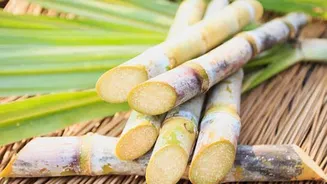
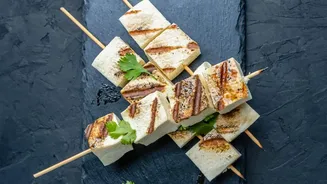
One of the most popular and ingenious ways to use sugarcane in savoury food is as an edible, flavourful skewer. Instead of using traditional bamboo or metal, cubes of paneer, tofu, or hearty vegetables are threaded onto lengths of peeled sugarcane. As
the skewers are grilled or pan-fried, the heat releases the cane’s natural sweetness, which caramelises on the outside and subtly infuses the ingredients with a smoky, sweet aroma. This technique is inspired by the classic Vietnamese dish chạo tôm (shrimp on sugarcane), and its vegetarian adaptation is a revelation. Imagine biting into a perfectly charred piece of paneer tikka that carries an underlying hint of sweetness from the skewer itself. Once you’ve enjoyed the paneer, you can chew on the sugarcane stick for a juicy, fibrous dessert.
2. The Vegetarian 'Sugarcane Mince' Kebab
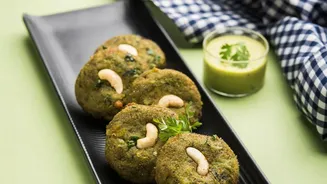
Taking the skewer concept a step further, you can create a vegetarian mince kebab pressed directly onto the sugarcane stick. A flavourful mixture of mashed potato, grated carrots, minced mushrooms, crumbled paneer, or even plant-based meat substitutes can be seasoned with garlic, ginger, and spices. This paste is then moulded around the top half of a sugarcane stick and either steamed, pan-fried, or grilled. The sugarcane not only serves as a handle but also imparts its sweet juice directly into the kebab mixture as it cooks, creating a wonderful balance of sweet and savoury. The result is a moist, flavourful kebab with a firm exterior, perfect as an appetiser at parties.
3. The Crunchy Stir-Fry Component
To truly appreciate sugarcane’s crisp, fibrous quality, try adding it directly into your next stir-fry. Young, tender sugarcane stalks can be peeled and sliced into thin, matchstick-like strips or small coins. When tossed into a hot wok with colourful vegetables like bell peppers, broccoli, and snap peas, the sugarcane pieces retain a satisfying crunch, similar to water chestnuts or bamboo shoots, but with an added layer of sweetness. This adds a surprising and delightful textural element that contrasts beautifully with the softer vegetables. A light soy-ginger sauce complements the natural sweetness of the cane, creating a balanced and exciting dish that’s both quick and nutritious.
4. The Flavour-Infusing Broth Stick
In many Southeast Asian cuisines, balancing the core flavours of sweet, sour, salty, and spicy is paramount. Sugarcane can be a secret weapon for achieving this harmony in vegetarian broths and soups. Instead of adding processed sugar, simply drop a peeled piece of sugarcane stalk into your pot while simmering a vegetable pho, a spicy rasam, or a clear vegetable soup. The stalk will slowly release its gentle, natural sweetness, adding depth and complexity to the broth without overpowering it. This method provides a more rounded, nuanced flavour than refined sugar and helps to mellow out the heat from chillies or the tartness from tamarind or lime. Once the soup is ready, the sugarcane piece can be removed, having imparted all its flavour.
5. The Crispy Garnish
For a final flourish that adds both flavour and a professional-looking finish, turn to fried sugarcane. By using a vegetable peeler, you can shave very thin, ribbon-like strips from a peeled sugarcane stalk. When these delicate strips are quickly deep-fried in hot oil, they transform into golden, crispy wisps. These can be used as an elegant and crunchy garnish on top of salads, curries, and rice dishes like pilaf. Imagine a simple cucumber and mint salad elevated with the addition of these sweet, crunchy threads. This technique directly highlights the “crisp” and “fibrous” texture promised in the headline, offering a unique topping that will impress anyone at the dinner table.