
A Historic Catch in Texas
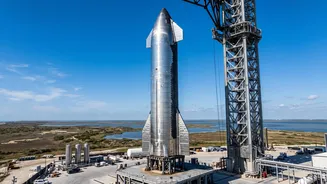
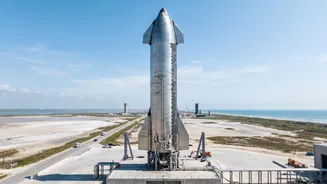
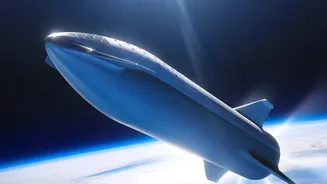
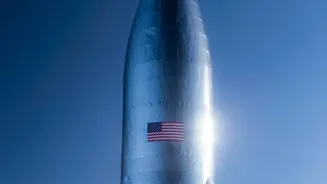
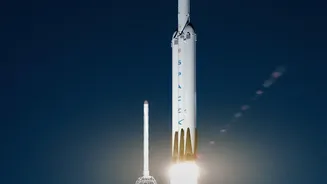
On Saturday, November 14, 2026, after completing 14 orbits of Earth, the 52-meter Starship upper stage, known as Ship 42, performed a controlled descent back to its launch site in Starbase, Texas. Instead of landing on legs or splashing down in the ocean,
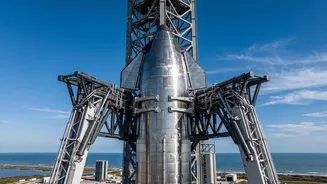
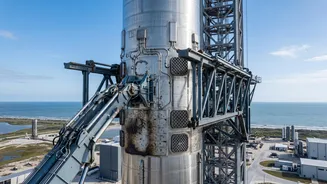
the vehicle executed a complex 'belly-flop' maneuver before firing its engines one last time to slow down and slot perfectly into the grasp of the launch tower's 'chopstick' arms. The successful catch marked the first time an orbital-class upper stage has ever been recovered in this manner, capping a mission that lasted over 22 hours and also deployed 26 Starlink satellites into orbit.
Why This Is a Game Changer
Catching the rocket is about one thing: rapid reusability. For years, SpaceX has pursued the goal of a fully and rapidly reusable launch system, which is key to drastically reducing the cost of accessing space. While the company has been landing its Falcon 9 boosters for years, those boosters and fairings require significant refurbishment. The Starship system is designed for something far more ambitious. By catching both the Super Heavy booster and the Starship upper stage with the launch tower, SpaceX aims to simply refuel them and stack them again for another launch in a matter of hours, not weeks. This catch proves the second, and arguably much harder, half of that equation is possible.
The 'Mechazilla' System Explained
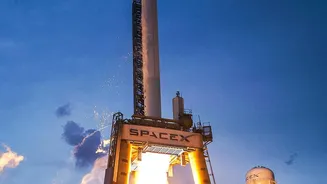
The massive structure responsible for the catch is the launch and integration tower, nicknamed 'Mechazilla'. It's more than just a platform; it's an active participant in the launch and recovery process. A pair of giant steel arms, the 'chopsticks', are used to lift and stack the booster and ship before launch. After launch, these same arms are designed to catch both returning stages. This eliminates the need for heavy and complex landing legs on the vehicles themselves, saving mass that can be used for payload instead. The precision required is immense, involving the vehicle communicating with the tower to align itself perfectly as it descends at high speed.
Not a Perfect Mission
While the Starship catch was a monumental success, the mission did not go entirely to plan. The initial goal for Flight 15 was a historic 'double catch', recovering both the Super Heavy booster and the Starship upper stage. However, shortly after liftoff, the Super Heavy booster's return was aborted. Onboard systems detected a low fuel level, prompting the booster to automatically divert for a splashdown in the Gulf of Mexico, where it was intentionally destroyed. SpaceX has successfully caught the booster on previous flights, but this anomaly shows that perfecting the recovery of the entire system remains a key challenge. The company is now investigating the root cause of the fuel issue.
What Comes Next for Starship
With the first successful upper stage recovery complete, SpaceX will analyze the vehicle and all the flight data to prepare for the next steps. The immediate goal will be to consistently and reliably catch both the booster and the ship on the same mission. Achieving this will be the final major hardware milestone before Starship can be considered a fully operational, rapidly reusable rocket. This success dramatically accelerates the timeline for SpaceX's core ambitions, from deploying its next-generation Starlink satellite constellation to fulfilling its contract with NASA to use Starship as the human landing system for the Artemis program's return to the Moon, currently planned for 2028.