




The Patriarchs of Indian Avocados
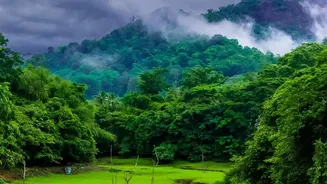
Deep in the hills of southern and eastern India stand the quiet ancestors of today's avocado boom. While it’s difficult to crown a single tree as the absolute oldest, historical accounts point to introductions in the early 20th century. American missionaries
and British officials planted avocado trees in the cooler climates of Tamil Nadu's hill stations like Kodaikanal and Coorg in Karnataka. One particularly notable tree, nearly 80 years old, stands on the grounds of the Regional Agricultural Research Station in Ambalavayal, Wayanad, planted by British officials around 1947 as part of a post-WWII rehabilitation project. These early trees, brought from Sri Lanka and elsewhere, were often of the West Indian, Guatemalan, and Mexican varieties. For decades, they remained a curiosity, with locals calling the fruit 'butter fruit' or 'vennappazham' for its texture, while others, unfamiliar with it, even dismissed it as 'dog fruit'.
From Forgotten Fruit to Superfood Star
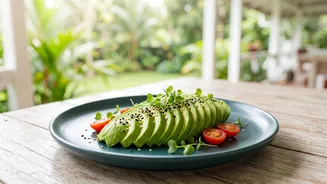
For a long time, the avocado failed to capture the Indian palate, which was unaccustomed to its savoury, fatty profile. The fruit was so overlooked that in some areas, ripe avocados would simply fall from the trees and be discarded or eaten by animals. The turning point arrived with a global shift in wellness culture. The rise of social media, clean eating trends, and diets like keto saw the avocado repositioned as a 'superfood' packed with healthy monounsaturated fats, fibre, and vitamins. Suddenly, what was once a forgotten backyard fruit became an aspirational ingredient for health-conscious urban millennials and Gen Z. Cafes across metros like Mumbai, Delhi, and Bengaluru began featuring avocado toast, and the fruit quickly became a symbol of a modern, globalised Indian lifestyle.
The Challenge of Growing Our Own
This surge in demand has created a massive gap between domestic supply and what India consumes, with the country importing thousands of tonnes of avocados, primarily the popular Hass variety, each year. This reliance on imports makes the fruit expensive for the average consumer. However, Indian farmers are beginning to rise to the challenge. Cultivation is slowly but steadily expanding beyond the traditional pockets in Tamil Nadu, Kerala, and Karnataka to states like Maharashtra and Sikkim. Farmers are looking to diversify from traditional crops like coffee and pepper, which have faced challenges from changing climate conditions. Yet, growing avocados is not without difficulty. The trees require specific climatic conditions, are sensitive to water-logging, and have a long gestation period before they bear fruit.
The Future is Green and Creamy
The government and horticultural research institutes are now actively promoting avocado cultivation. Research stations are developing varieties better suited to Indian conditions, such as 'Arka Supreme', and providing guidance to farmers. Entrepreneurs are also stepping in, importing high-quality Israeli saplings and offering consultancy to help new growers succeed. This push aims to transition Indian avocado farming from scattered backyard trees to organised commercial production. The goal is to make India not just self-sufficient but potentially a significant producer in the coming decade, which could help stabilize prices and make the fruit more accessible. While the imported Hass avocado is famous for its creamy texture, local Indian varieties are also being appreciated for their unique qualities and nutritional value.