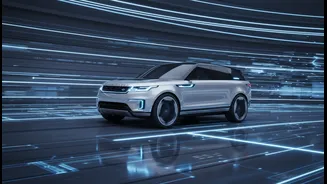




The Most Powerful Sport Ever
Land Rover isn't just electrifying the Range Rover Sport; it's making it the most powerful iteration in the model's history. While the V8-powered SV model is a formidable machine with its 626 horsepower, the new electric version is set to deliver a new kind
of visceral performance. Prototypes are running a dual-motor setup, one on each axle, delivering all-wheel drive and a combined output expected to be around 542 horsepower with a massive 850 Nm of torque. This instant torque delivery, a hallmark of electric vehicles, promises breathtaking acceleration and responsiveness that even the most powerful combustion engines struggle to match. The company has stated its goal is to create a Sport that is “more dynamic and faster than ever,” signalling a clear focus on performance.
Advanced Architecture Underneath
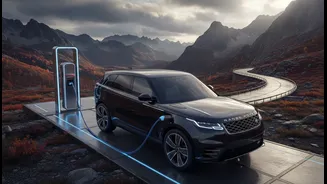
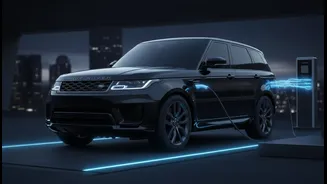
The foundation for this new chapter is Jaguar Land Rover's advanced Modular Longitudinal Architecture (MLA). This platform was engineered from the very beginning to accommodate various powertrains, including internal combustion, plug-in hybrid, and fully electric setups. This means the battery and electric drive units are not an afterthought but an integral part of the design, avoiding the compromises often found in retrofitted EVs. The Sport Electric will share its 118.5kWh battery pack and 800-volt electrical system with the flagship Range Rover Electric. This high-voltage architecture is crucial for enabling ultra-rapid DC charging speeds, potentially around 350kW, which would significantly reduce charging times.
Stealthy Design, Unmistakable Presence
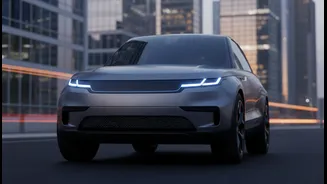
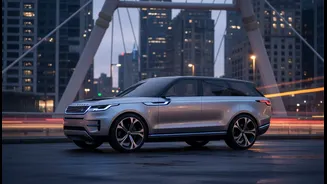
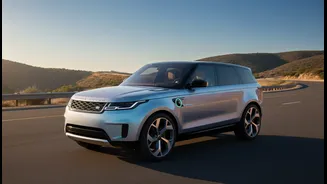
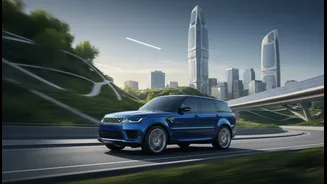
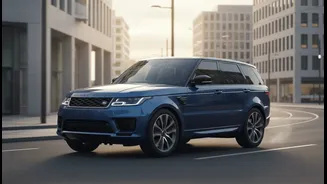
Visually, the electric model maintains the muscular, unmistakable silhouette of the current Range Rover Sport. The most obvious change is the absence of exhaust pipes, creating a cleaner, more minimalist rear profile. The front grille is also expected to be closed-off, a common feature in EVs that improves aerodynamics since there is less need for airflow to cool a large engine. Beyond these subtle tweaks, the brand has focused on preserving the model’s well-known design DNA. The interior is also expected to remain largely the same, featuring the large central touchscreen and digital driver display, but with added EV-specific menus for monitoring range, charging, and energy usage.
Tested to Extremes
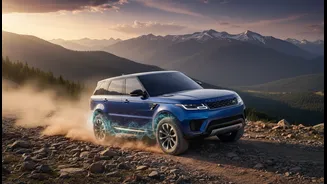
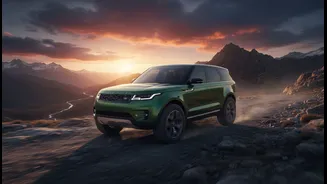
To ensure its legendary all-terrain capability remains intact, Land Rover has subjected its electric prototypes to one of the most rigorous testing programs in the company's history. The vehicles have been pushed to their limits in extreme conditions, from the freezing temperatures of the Arctic Circle to the scorching 50-degree Celsius heat of the deserts in Dubai. This testing is vital for validating the durability and performance of the battery and new thermal management systems in all environments. A new intelligent torque management system, which can react in as little as one millisecond, has been developed to enhance traction on low-grip surfaces, promising to make the electric version even more capable off-road than its predecessors.
Entering a Competitive Arena
The Range Rover Sport Electric will not have the luxury EV SUV market to itself. It will launch into an increasingly crowded and competitive segment, facing off against established players and new entrants alike. Key rivals will include the forthcoming Porsche Cayenne Electric and BMW's new iX5, among others. With a global debut expected later in 2026, the Sport Electric aims to complete the model's powertrain lineup, offering customers a choice between diesel, petrol, mild-hybrid, plug-in hybrid, and now, pure-electric power. This strategy allows the brand to cater to a wide range of buyers while firmly planting its flag in the high-performance electric future.