



The Allure of Opposites
At first glance, concrete and gold seem to belong to different worlds. Concrete is the cornerstone of Brutalism, known for its raw, unfinished, and rugged honesty. It speaks of structure, permanence, and a certain minimalist strength. Gold, on the other
hand, has a history steeped in opulence, power, and divinity. For centuries, it has been used to signify wealth and adorn sacred spaces. The magic of this pairing lies in the tension and harmony they create together. The rugged texture of concrete acts as the perfect canvas for the delicate shimmer of gold leaf, which in turn brings warmth and light to the cool, solid mass of the concrete. It’s a design choice that is both discreet and confident, adding layers of texture and history to a space.
A Philosophical Approach to Flaws
This trend is more than just a visual contrast; it's rooted in a deeper appreciation for imperfection. It draws heavily from Japanese philosophies like Wabi-sabi, which finds beauty in the incomplete and impermanent. A key inspiration is Kintsugi, the art of repairing broken pottery with lacquer mixed with powdered gold. Instead of hiding the cracks, Kintsugi celebrates them as part of the object’s history. In interiors, this translates beautifully to concrete. Architects and designers are intentionally filling the natural cracks that form in concrete floors and walls with gold-coloured resin or applying gold leaf along these fissures. This transforms a perceived flaw into the most beautiful feature of the space, telling a story of resilience and care.
Bringing the Look Home
Incorporating this trend doesn't necessarily require pouring a new concrete floor. The contrast can be achieved on multiple scales. A statement-making feature wall is a popular application, where a large concrete surface is accented with subtle veins or sections of gold leaf. This can create a focal point in a living room or bedroom that is both dramatic and deeply sophisticated. For a more subtle approach, consider furniture and decor. A concrete coffee table with gilded legs, a console with gold-leafed drawers, or even smaller decorative bowls and trays that use this material combination can introduce the aesthetic without overwhelming a room. You can also use this technique to breathe new life into older pieces, applying gold leaf to a frame or cabinet for a modern, luxurious update.
Finding the Right Balance
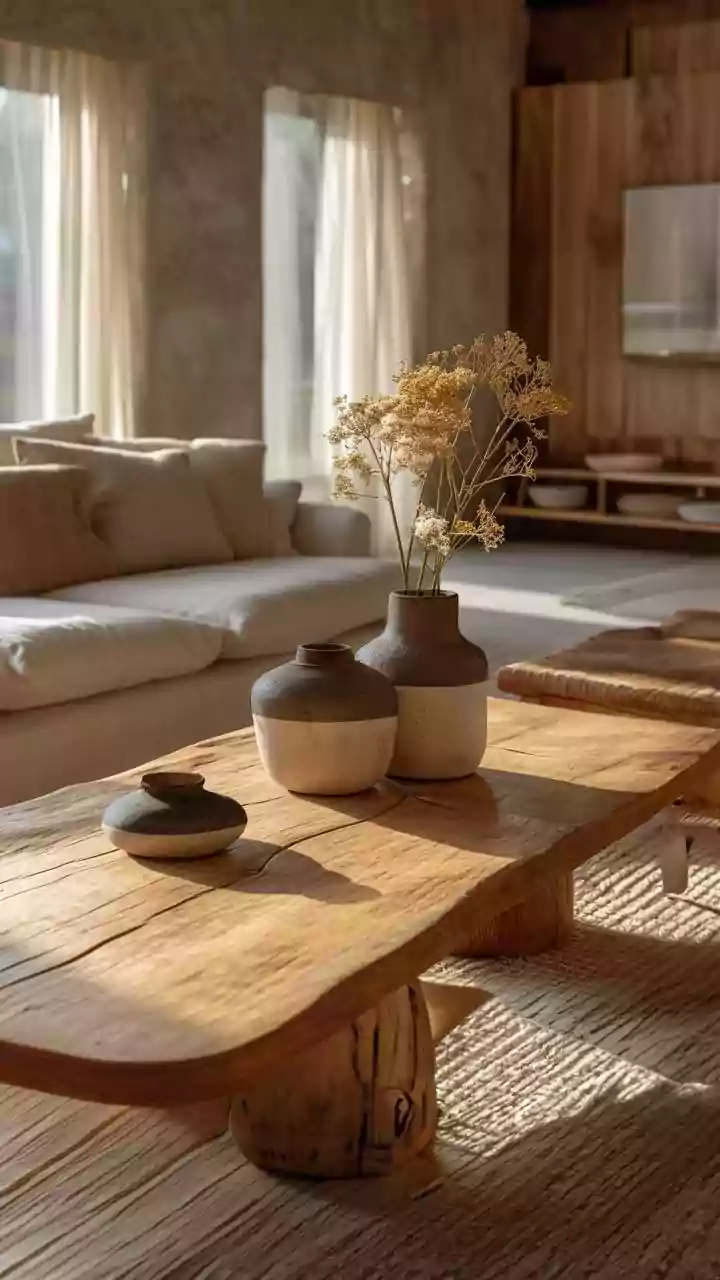
To make this bold pairing work, balance is key. The goal is to create a space that feels intentional, not stark or jarring. Softening elements are crucial. Designers recommend pairing concrete and gold with a palette of warm neutrals like whites, beiges, and earthy greys to create a harmonious backdrop. Natural textures such as wood, linen, and plush fabrics can soften the hard edges of the concrete and prevent the space from feeling cold. Lighting also plays a pivotal role. Warm, soft lighting will enhance the reflective quality of the gold leaf, making it seem to glow and creating an inviting atmosphere. The idea is for the gold to subtly enhance the other materials, not compete with them, achieving a look that feels refined rather than flashy.