

The Monsoon-Gut Connection
The monsoon season is notorious for causing digestive distress. The increased humidity and risk of water contamination can lead to a rise in gut-related ailments like indigestion and infections. This is where fermented foods traditionally enter the picture.
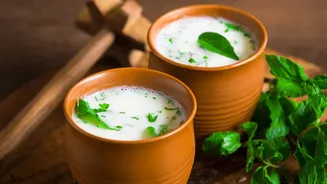
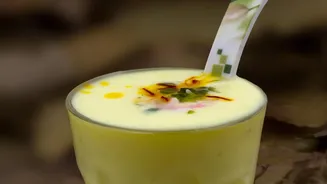
For generations, Indian households have relied on foods like dahi, buttermilk, idli, and dosa during the rainy season. Experts note that these foods, rich in probiotics or 'good bacteria', can help support a healthy gut microbiome, which is crucial when our digestive systems are more vulnerable. The logic is that a balanced gut environment aids digestion and strengthens the body’s natural defences against common seasonal infections.
What Are Fermented Foods, Really?
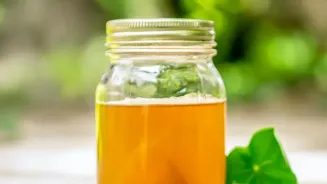
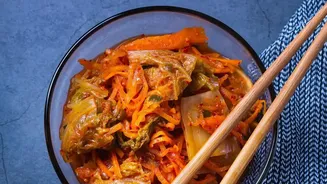
Fermentation is an ancient process where microorganisms like bacteria and yeast break down sugars and starches in food. This process not only preserves the food but also transforms it, creating new flavours and enhancing its nutritional profile. The live microorganisms produced during this process are called probiotics. Think of your gut as a complex ecosystem, home to trillions of microbes. Probiotics help maintain a healthy balance in this ecosystem, aiding digestion, producing certain vitamins, and supporting the intestinal barrier. Many traditional Indian foods, from the dhokla of Gujarat to the kanji of North India, are products of this beneficial process. A 2020 study even documented over 200 distinct traditional fermented foods across India, many of which are consumed daily.
The 'Immunity Cure' Myth
Here’s where we need a reality check. While a healthy gut is a key component of a well-functioning immune system, no single food or food group can act as a magic 'immunity cure'. The idea that eating more dahi or idli will make you invincible to colds and flu is an oversimplification. Health experts emphasize that immunity is complex, influenced by your overall diet, sleep, stress levels, and lifestyle. While some studies suggest a link between fermented food consumption and improved immune responses, this is part of a bigger picture. Relying on one type of food for protection is misguided. The UK's National Health Service (NHS) notes that while probiotics are generally safe, many health claims made about them lack strong scientific evidence. The real benefit comes from a consistently balanced and varied diet, not from treating fermented foods as a seasonal silver bullet.
More Than Just Probiotics
Focusing only on the probiotic aspect does a disservice to fermented foods. The fermentation process can also make nutrients in food easier for our bodies to absorb. For example, it helps break down complex carbohydrates and certain compounds that can irritate the gut. This process also creates unique, complex flavours — the tangy kick of a good pickle, the sourness of dahi, or the earthy depth of a dosa batter. These foods add variety and excitement to meals, which is just as important for a sustainable, healthy diet. Furthermore, some fermented foods are good sources of vitamins like B vitamins and vitamin K. So, while they might not be miracle cures, they are nutritionally valuable in multiple ways.
Enjoying Fermented Foods Safely
During the monsoon, hygiene is paramount, especially with homemade fermented foods which can spoil faster in the humidity. Ensure you use clean utensils and store them properly. When buying from a store, look for refrigerated products that are unpasteurized to ensure the live cultures are intact. If you are new to fermented foods, it's wise to start slowly. Eating too much too quickly can sometimes lead to temporary bloating or gas as your system adjusts. A small bowl of curd, a glass of buttermilk, or a couple of idlis is a great starting point. It's about incorporating them consistently into your diet, not consuming large quantities all at once. People with compromised immune systems should consult a doctor before significantly increasing their intake of foods with live cultures.