



A Quick Recap: The Amaravati Dream
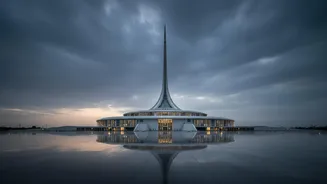
The story of Amaravati began after the bifurcation of Andhra Pradesh in 2014, which left the new state without a capital city. Under the leadership of then-Chief Minister N. Chandrababu Naidu, a grand vision was born: a new, greenfield capital built from
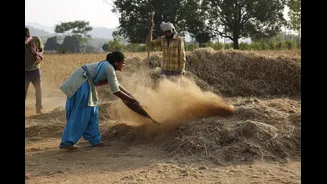
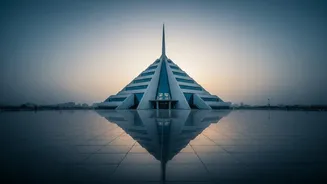
scratch on the banks of the Krishna River. It was envisioned as a futuristic, world-class city, powered by an innovative land pooling scheme where thousands of farmers voluntarily gave up their land in exchange for a share in the developed, high-value urban area. With a master plan inspired by Singapore, Amaravati was meant to become the administrative, economic, and cultural heart of the state.
The Five-Year Pause
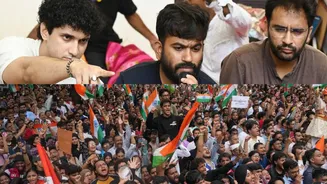
That dream came to an abrupt halt in 2019. A change in government saw the Y.S. Jagan Mohan Reddy-led YSRCP come to power. The new administration shelved the Amaravati project, citing concerns over costs and regional imbalances. Instead, it proposed a controversial three-capital model, aiming to distribute administrative, legislative, and judicial functions across different cities. As a result, construction in Amaravati ground to a standstill. Half-finished buildings and empty roads became symbols of political paralysis, and the once-promising site was dubbed a ghost town, leaving farmers and investors in a state of limbo.
The Turning Point: A Crucial Allocation
The return of N. Chandrababu Naidu as Chief Minister in 2024 marked an immediate pivot back to the original vision. The most concrete sign of this revival came in early August 2026, when the Central Public Works Department (CPWD) floated a tender worth ₹1,083 crore. This specific allocation is for the construction of a General Pool Residential Accommodation (GPRA) complex, featuring 1,504 apartments in 11 towers for central government employees. This isn't just about building houses; it's about creating the foundational infrastructure needed to attract government staff and establish Amaravati as a functional administrative hub.
More Than Just Money
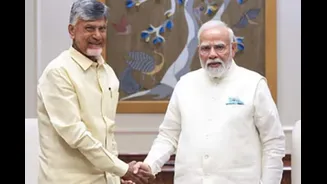
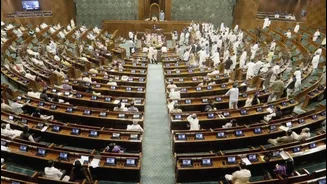
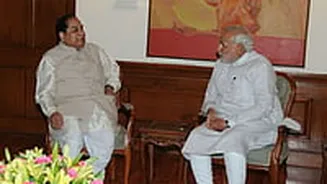
The ₹1,083 crore from the central government carries immense symbolic weight. Politically, it signifies a strong endorsement from the Modi government for Naidu's plan, reinforcing the NDA alliance's commitment to the project. This central funding acts as a major confidence booster, complementing a flurry of recent activity initiated by the state's Capital Region Development Authority (CRDA). Other significant moves include awarding a ₹1,280-crore contract to Larsen & Toubro for a 'Quantum Facility Project' and initiating a massive ₹1,979 crore project to build a fully underground power grid. Together, these actions signal that the revival of Amaravati is now moving from rhetoric to reality.
The Long and Winding Road Ahead
While the recent funding is a critical catalyst, it is just a drop in the ocean. The total cost to complete Amaravati is estimated to be over ₹40,000 crore, with some projections going as high as ₹2 lakh crore. The ₹1,083 crore represents a down payment on a much larger bill that will require massive loans from financial institutions and sustained political will. Chief Minister Naidu has set an ambitious target to complete the first phase of construction by August 2028. Achieving this will depend on resolving remaining legal challenges, successfully completing land pooling, and attracting the massive private investment that was central to the original vision.