




The Gentle Flow: What is Aqua Yoga?
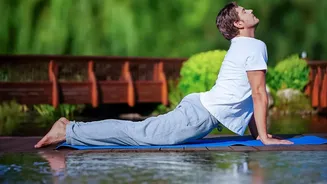
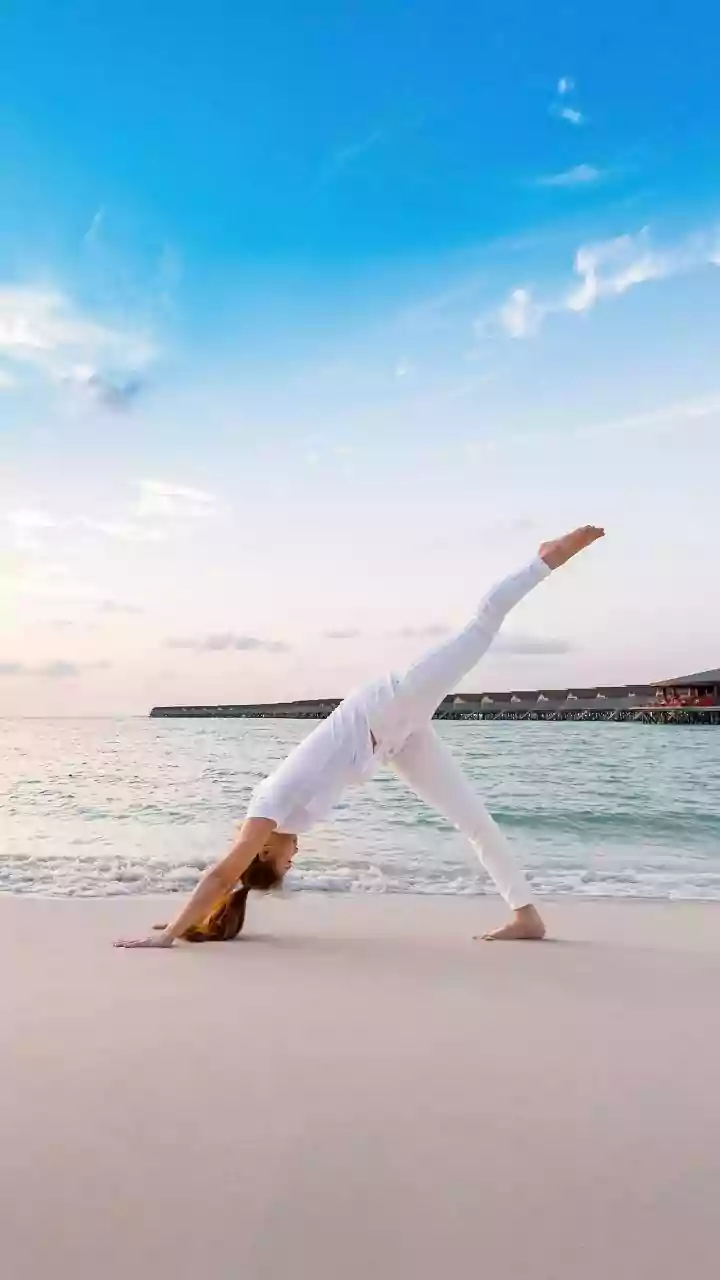
Aqua yoga is essentially traditional yoga adapted for a water environment, typically a swimming pool. The practice involves performing yoga poses (asanas) while standing or floating in chest-deep water. The key difference is the water's buoyancy, which
supports your body weight. This dramatically reduces stress on joints like your knees and hips, making it a very low-impact exercise. The water also provides gentle resistance, helping to build muscle strength and improve flexibility without the strain you might feel on a mat. It's known for being incredibly calming and is suitable for almost all fitness levels and ages.
The Balancing Act: What is Paddleboarding?
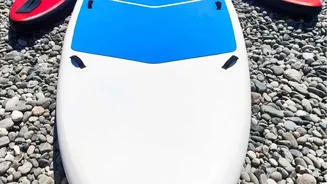
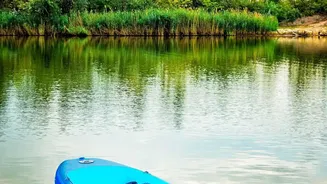
Stand-up paddleboarding (SUP) is a water sport where you stand on a board, similar to a surfboard, and use a long paddle to move through the water. It's a fantastic full-body workout that heavily engages your core for balance. Unlike the contained environment of a pool, paddleboarding gives you the freedom to explore lakes, calm rivers, and coastal waters. The primary challenge, especially for beginners, is maintaining balance on the board as it moves with the water. Falling in is considered a normal and harmless part of the learning process.
The Learning Curve: Which is Quicker to Master?
For the absolute beginner, aqua yoga is significantly easier to start. Since the water supports you, the fear of falling is eliminated, and balance is less of a challenge. You can focus on learning the poses and breathing techniques in a stable environment. Paddleboarding has a steeper initial learning curve. Most of your first session will be dedicated to just finding your balance—first on your knees, then attempting to stand. While many beginners are surprised at how stable modern boards are and can often stand within their first hour, it takes a few outings to feel truly confident, especially if there's wind or small waves. Aqua yoga provides immediate comfort, whereas paddleboarding requires embracing a bit of initial instability.
Fitness Benefits: Gentle Strength vs. Core Power
Both activities are excellent workouts but target fitness in different ways. Aqua yoga is a low-impact option perfect for building gentle strength, improving flexibility, and increasing your range of motion. It is particularly beneficial for those with joint pain, arthritis, or mobility issues. The water’s resistance helps tone muscles, and the practice is known to be a powerful stress reliever. Paddleboarding, on the other hand, is a more intense core workout. Staying balanced requires constant engagement from your abdominal muscles, back, and legs. It’s also great for improving your proprioception—your body’s awareness of its position in space. While you can paddle at a leisurely pace, it offers a higher potential for cardiovascular exercise as you cover more distance.
Cost and Accessibility: Getting Started in India
Your access to these activities will largely depend on where you live. Aqua yoga requires a suitable pool and a certified instructor, which is most commonly found in fitness clubs, wellness centres, and resorts in larger metropolitan areas. The cost is typically on a per-class basis. Paddleboarding requires a calm body of water, making it popular in coastal cities like Goa and Mumbai, or near the lakes of Udaipur and the backwaters of Kerala. You can either rent a board for an hour or two, which is comparable to a single yoga class, or invest in your own equipment. An inflatable paddleboard can be a significant one-time purchase but offers the freedom to paddle whenever you like.
The Verdict: Which Is the Right Fit for You?
Choosing between aqua yoga and paddleboarding comes down to your personal fitness goals and personality. Aqua Yoga is easier to start if: You are new to exercise or have joint pain. You prioritise relaxation and low-impact movement. You want a supportive environment where balance isn't a major hurdle. You have access to a facility offering classes. Paddleboarding is the better choice if: You're looking for an adventure and a core-strengthening challenge. You enjoy being in open nature and don't mind falling in the water. You want a workout that can be both a peaceful paddle and a high-intensity session. You have access to calm lakes, rivers, or seas.